
Reverse Mortgage for Wine Cellar and Collectibles Storage: Preserve Your Legacy
Use a reverse mortgage to build a climate-controlled wine cellar or collectibles storage. Invest in your collection and preserve family heirlooms.
"I've collected wine and art for decades, but storing it properly in my home costs more than I budgeted—where can I find money for a climate-controlled cellar?" Many Ontario collectors face this challenge: valuable collections require proper storage conditions (humidity, temperature, light control), but dedicated cellars are expensive to build. A reverse mortgage can unlock the funds to create a professional wine cellar or collectibles storage room—protecting your investment while enabling you to display, enjoy, and eventually pass your collection to heirs as part of your living legacy.
This article is for educational purposes only and does not constitute financial advice.
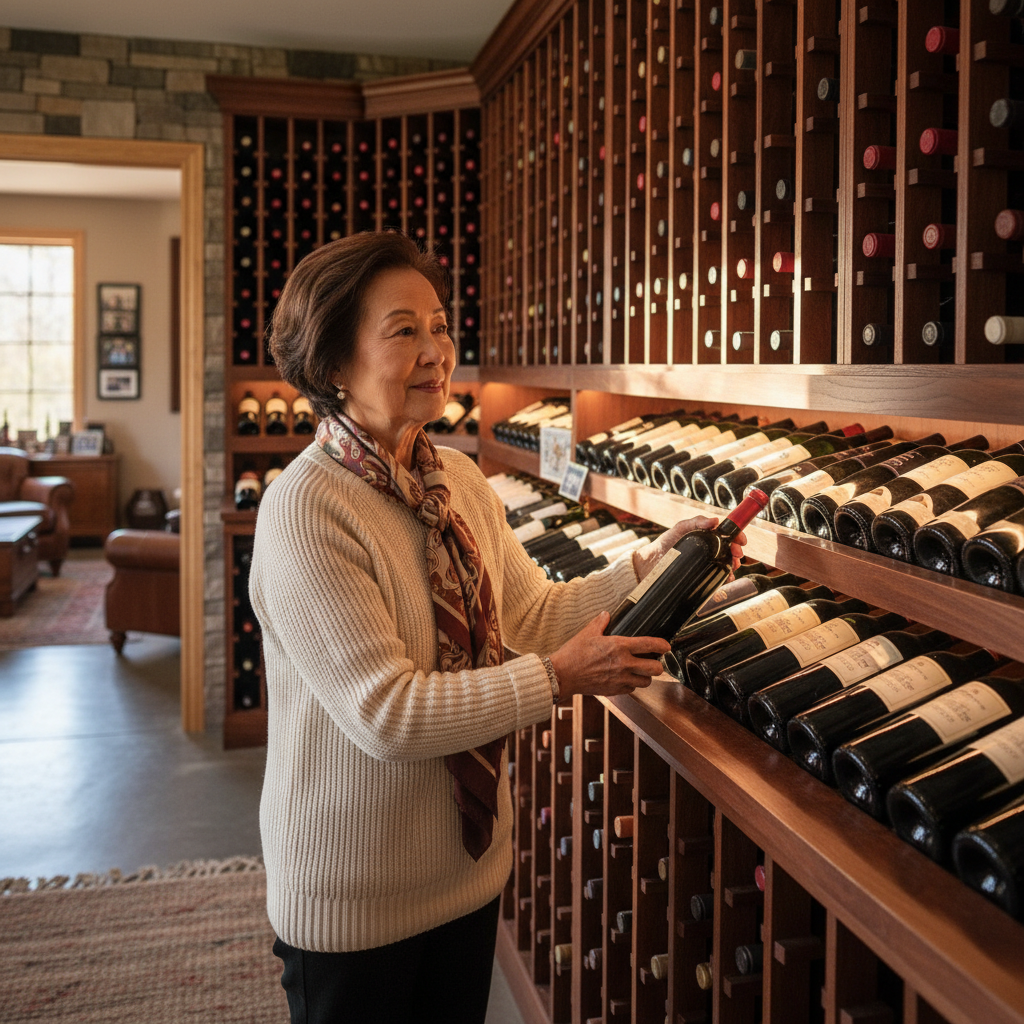
Why Proper Wine and Collectibles Storage Matters
Storage Impact on Wine Value
- Temperature stability: Wine degrades if exposed to fluctuating heat (65–70°F ideal)
- Humidity control: Too dry = cork dries and wine seeps out; too humid = labels rot
- Light protection: UV light and direct sunlight age wine prematurely
- Vibration: Constant movement damages sediment and aging process
- Orientation: Wine bottles stored on their side (cork stays moist)
Improper storage can reduce a $100 wine to worthless vinegar in 12 months. Serious collectors invest in climate control.
Storage Impact on Collectibles Value
- Art and manuscripts: Require 45–55% humidity, 65–75°F temperature
- Rare books: Consistent climate prevents mold, deterioration, foxing
- Coins and metals: Humidity causes tarnish and corrosion
- Memorabilia: Fluctuating conditions accelerate decay
- Photographs: Archival storage prevents fading and degradation
A properly preserved collection retains or increases value; a poorly stored collection deteriorates, sometimes irreversibly.
Wine Cellar and Collectibles Storage Costs in Ontario
| Storage Type | Square Footage | Installation Cost | Annual Operating Cost |
|---|---|---|---|
| Basic wine rack (existing room) | N/A (wall-mounted) | $500–$1,500 | $0–$200 |
| Wine fridge (cabinet size) | 2–3 sq ft | $1,500–$3,000 | $200–$400/year |
| Converted closet cellar | 40–60 sq ft | $5,000–$10,000 | $300–$600/year |
| Basement cellar room | 200–400 sq ft | $15,000–$35,000 | $1,000–$2,000/year |
| Professional vault cellar | 300–600 sq ft | $35,000–$75,000 | $2,000–$4,000/year |
Real Ontario Stories: Climate-Controlled Storage
Story 1: James's Wine Cellar in Niagara Region
James, 72, had collected Ontario and Bordeaux wines for 30 years, accumulating 400 bottles. His basement temperature fluctuated 50–75°F seasonally—destroying bottles. Using a reverse mortgage, James invested $12,000 in:
- Basement cellar conversion: $8,000
- Climate control system (temperature + humidity): $2,500
- Racking and storage organization: $1,000
- Humidity and temperature monitoring: $500
James relocated his 400-bottle collection into ideal 55°F, 65% humidity conditions. His collection is now worth $50,000+ (vs. $30,000 before proper storage). His wine investment is protected for him to enjoy and eventually pass to his children.
Story 2: Patricia's Collectibles Vault in Toronto
Patricia, 69, inherited her grandmother's antique books, artwork, and memorabilia—items with both monetary and sentimental value. Her main-floor closet wasn't climate-controlled. Using a reverse mortgage, Patricia built:
- Small cellar vault in basement: $7,000
- Climate control (temperature + humidity sensors): $1,800
- Archival storage solutions and shelving: $2,000
- Alarm system for security: $1,200
Patricia's entire family inheritance is now preserved in museum-quality conditions, accessible for viewing but protected from deterioration. The vault became a family gathering place.

Building Your Wine Cellar or Collectibles Storage: Step-by-Step
Step 1: Assess Your Collection
Inventory what you're storing:
- Wine: How many bottles? What regions/vintages?
- Art/books: Size, type, preservation needs
- Memorabilia: Fragility, specific storage requirements
- Current storage: Problems you're facing (temperature, humidity, space)
Step 2: Define Your Storage Needs
Determine requirements:
- Temperature range: Wine (55°F), art (65–75°F), books (50–70°F)
- Humidity: Most collectors target 45–65%
- Capacity: Current collection size + 25% growth allowance
- Access: Daily access (display) vs. long-term storage
Step 3: Choose Your Storage Method
Option A: Wine Fridge (Compact, 100–300 bottle capacity)
- Cost: $2,000–$4,000
- Space: 2–3 sq ft footprint
- Best for: Smaller collections, space-limited homes
- Humidity control: Some models include
Option B: Basement Cellar Conversion (400–1,000 bottle capacity)
- Cost: $10,000–$25,000
- Space: 100–200 sq ft
- Best for: Serious collectors with basement
- Humidity control: Full HVAC and humidification system
Option C: Closet Conversion (150–300 bottle capacity)
- Cost: $5,000–$12,000
- Space: 30–50 sq ft
- Best for: Moderate collections, existing closet
- Humidity control: Portable or installed units
Step 4: Get Professional Assessment
Hire a specialist to:
- Assess your chosen space (foundation, insulation, moisture issues)
- Recommend climate control specifications
- Estimate installation and ongoing costs
- Design layout and racking/shelving
- Discuss security options
Step 5: Calculate Total Investment
Include:
- Insulation and sealing (if needed)
- Climate control system (purchase + installation)
- Racking, shelving, or storage solutions
- Humidity/temperature monitoring equipment
- Lighting (usually dim LED to prevent UV damage)
- Security system (optional but recommended for valuable collections)
- Initial setup and testing: 15–20% buffer
Step 6: Apply for Reverse Mortgage
Work with Rick Sekhon Reverse Mortgages or CHIP, Equitable Bank, and Home Trust to:
- Assess home equity
- Determine borrowing capacity for your cellar project
- Choose lump sum (one-time payment) vs. line of credit
- Understand repayment timeline
Step 7: Build and Install
Oversee construction with the contractor:
- Ensure insulation and sealing meet specifications
- Install climate control and monitoring
- Test temperature/humidity stability
- Install racking and organize collection
- Create inventory system for insurance
Step 8: Maintain Your Cellar
Annual maintenance includes:
- HVAC filter changes ($50–$150)
- Humidifier servicing ($100–$300)
- System inspection ($200–$400)
- Monitoring batteries and sensors ($50–$150)
Total annual operating cost: $400–$1,000 depending on system sophistication
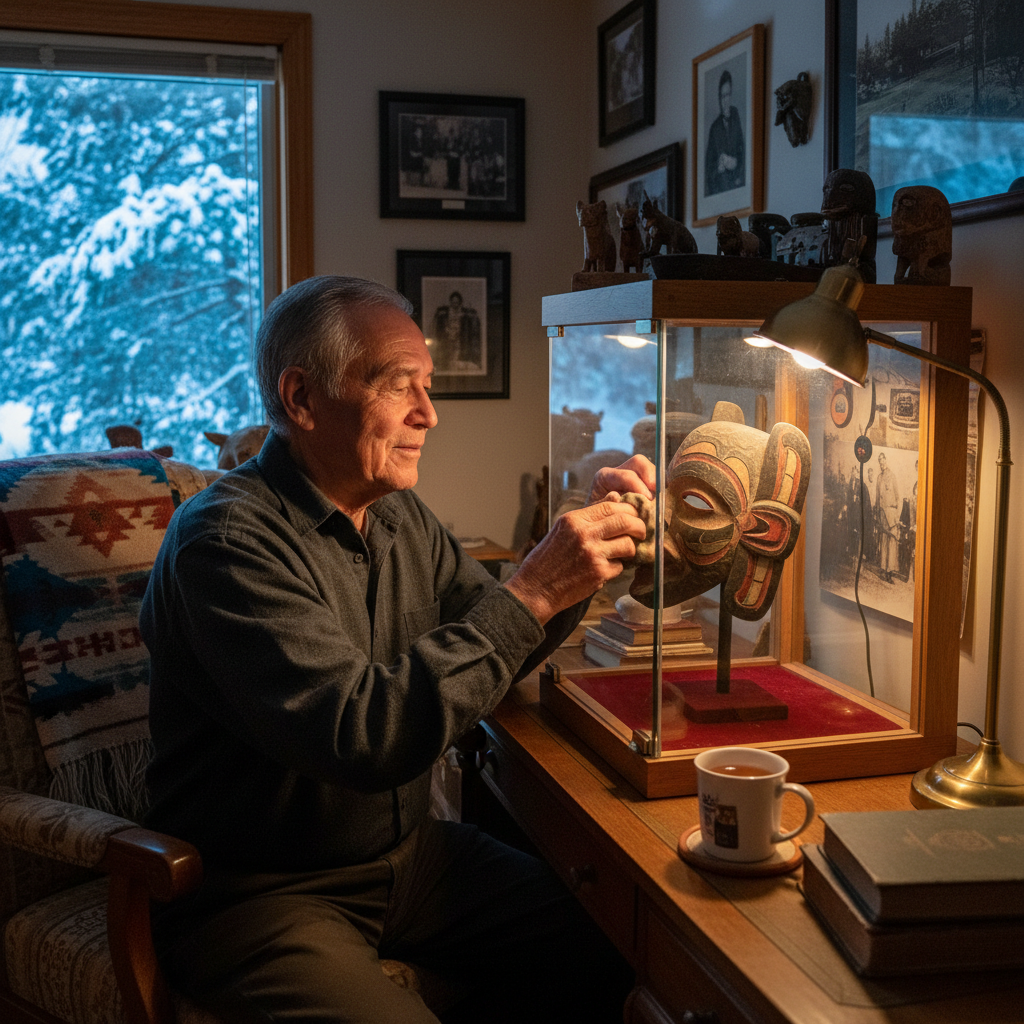
Wine Cellar as Legacy Planning
Documenting Your Collection
Create a living legacy through:
- Inventory system: Catalog every item with purchase date, cost, storage location
- Tasting notes: Record your experience with wines (notes for family)
- Collection story: Document why you chose each item, collection theme
- Video tour: Create a recorded video of your collection with commentary
- Succession plan: Decide which items go to whom, or keep collection intact
Family Engagement
Your cellar can become:
- Educational space: Teach family members about wine, art, or collecting
- Gathering place: Host tastings or collection viewings
- Mentoring opportunity: Mentor grandchildren's developing collections
- Legacy project: Record family stories connected to items
Insurance and Documentation
- Appraisal: Get professional appraisal for insurance ($500–$2,000)
- Photography: Document collection for insurance and legacy
- Rider policy: Add collection to homeowner's insurance
- Safe storage: Keep documentation in safe deposit box or secure location
Tax and Legal Considerations
Collectibles and Taxation
If you eventually sell collection items:
- Capital gains: 50% of gains are taxable (Canada Revenue Agency)
- Personal use exemption: Principal residence exempt, but collections may not qualify
- Valuation: Original cost vs. sale price determines gain
Insurance Coverage
- Homeowner's policy: Usually covers $2,500–$5,000 in collectibles
- Rider or endorsement: Add coverage for high-value collections ($10,000+)
- Appraisal: Required for items worth $5,000+ each
- Inventory: Detailed photos and documentation support claims
Estate Planning
Include your collection in your will or trust:
- Specific bequests: "My wine collection goes to my son"
- Shared collections: "My coin collection is divided equally among my children"
- Conditional gifts: "My artwork collection goes to the Art Museum if my heirs don't want it"
- Maintenance fund: Leave funds for cellar upkeep after your death
Comparing Storage Options for Collectors
| Storage Method | Cost | Temperature Control | Humidity Control | Access | Best For |
|---|---|---|---|---|---|
| Home closet (no upgrade) | $0 | No | No | High | Casual collectors |
| Wine fridge | $2,000–$4,000 | Yes | Partial | High | Small collections |
| Basement cellar | $15,000–$35,000 | Yes | Yes | Moderate | Serious collectors |
| Off-site storage facility | $100–$300/month | Yes | Yes | Low | Limited home space |
| Professional wine service | $25–$100/bottle/year | Yes | Yes | Low | Premium/investment wines |
The Bottom Line: Preserve What You Treasure
Your collection—whether wine, art, books, or memorabilia—represents decades of curation, investment, and personal meaning. Proper storage protects that legacy while enabling you to enjoy your collection for years and pass it to future generations. A reverse mortgage makes that investment in preservation possible.
Key takeaway: If you've collected wine, art, or treasured items but lacked proper storage conditions, a reverse mortgage can fund a professional climate-controlled cellar—preserving your collection's value and beauty while creating a lasting legacy for your family.
Frequently Asked Questions
Can I deduct cellar building costs from my taxes?
Generally no, unless the collection is a business (wine dealer). For personal collections, it's a home improvement (doesn't generate tax deductions). Consult an accountant about your specific situation.
Should I use off-site storage or build at home?
Build at home if: You enjoy displaying/accessing your collection frequently, prefer security control, want to teach family about items. Off-site if: Limited home space, renting (can't modify home), prefer professional management, very high-value collection needs bank vault security.
Can I teach wine tastings or collector classes from my cellar?
Yes, if it's a hobby. If you charge for tastings/classes, it becomes business income (report on taxes, possibly get business insurance). Many collectors monetize their expertise modestly.
What if my collection increases beyond my cellar's capacity?
Plan for 25% growth capacity in your initial design. If collection exceeds capacity, you can either rotate items, expand storage, or use combination storage (home + off-site).
Is a climate-controlled wine cellar a good investment financially?
Yes and no. It protects existing collection value and enables collecting to be sustainable long-term. You won't "make money" on the cellar itself, but it preserves your collection's value—often appreciating 5–15% annually for quality wines and art.
Ready to Learn More?
Get the free Ontario Reverse Mortgage Guide and find out exactly how much you could unlock from your home.
Get My Free Guide →Related Articles
Reverse Mortgage Estate Planning Checklist for Ontario Homeowners
A 10-item estate planning checklist for Ontario homeowners with a reverse mortgage — covers wills, executors, projected balances, and annual reviews.
Read →Fund Home Modifications to Age in Place: Ontario Guide
Discover how a reverse mortgage can finance accessibility upgrades, care services, and renovations to stay safely in your Ontario home as you age.
Read →Gift Home Equity to Your Family While Alive: The Living Legacy Strategy
Discover how to transfer home equity to adult children while you're alive using a reverse mortgage strategy in Ontario.
Read →