Reverse Mortgage for Wellness Programs: Staying Active and Healthy in Retirement
Learn how Ontario seniors can use reverse mortgages to fund fitness programs, wellness memberships, and preventative health services to maintain vitality in retirement.
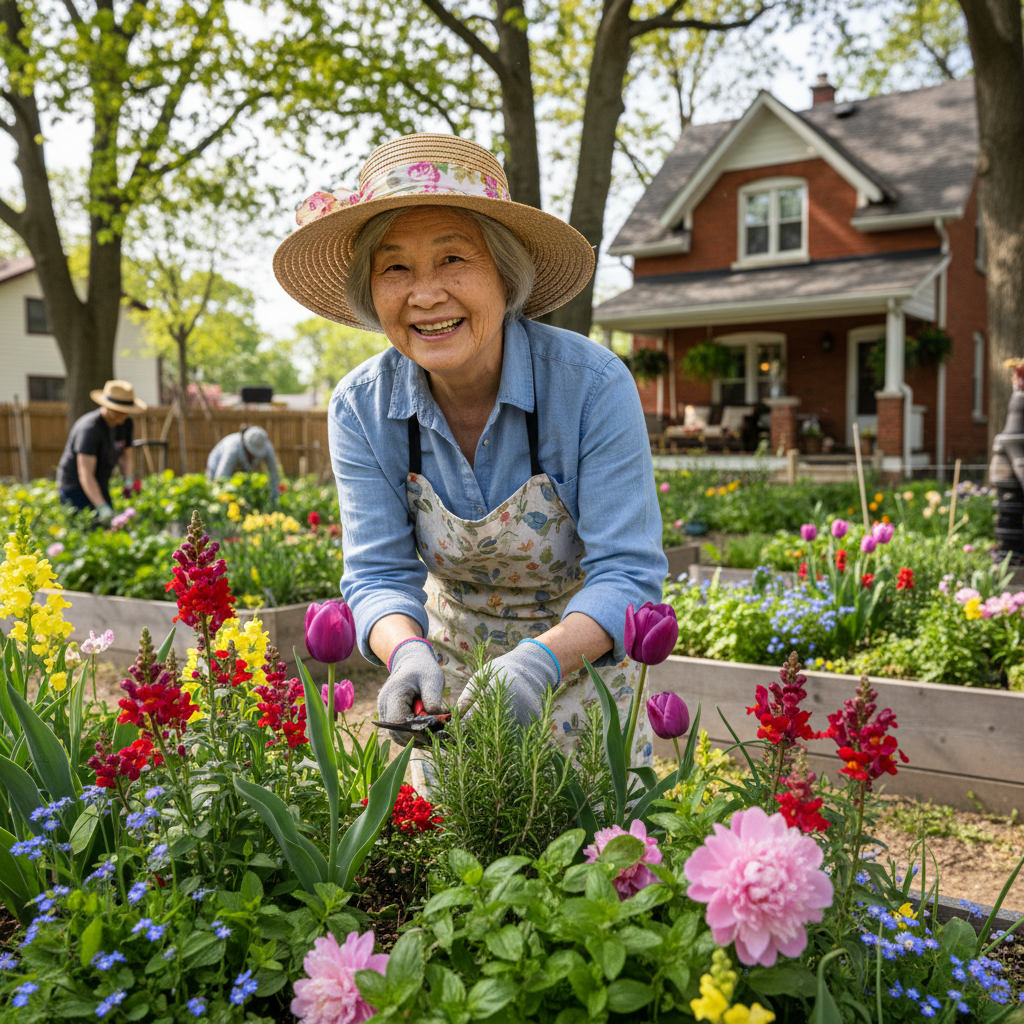
Active, healthy seniors live longer, maintain independence, and enjoy retirement more fully. Yet many Ontario retirees cut back on fitness memberships and wellness programs when income becomes fixed. A reverse mortgage can fund ongoing wellness investments—gym memberships, personal training, yoga classes, water aerobics, and preventative health services—keeping you active without budget stress.
This article is for educational purposes only and does not constitute financial advice.
The Health ROI of Fitness in Retirement
Research consistently shows that seniors who remain physically active have lower rates of falls, heart disease, diabetes, and cognitive decline. Regular exercise also improves mood, energy, and social connection. Yet gym memberships, personal trainers, and specialized fitness classes add up: $50–$100 monthly for gym access, $100–$200 per session for personal training, $200–$300 monthly for water aerobics or pilates classes.
Over a decade, wellness spending could total $50,000–$100,000. This often feels unaffordable on a fixed pension. The result? Sedentary retirement, declining health, and eventually, expensive medical interventions and loss of independence.
Why Preventative Wellness Matters
Staying active reduces healthcare costs. Studies show that every dollar spent on preventative fitness saves $2–$4 in future medical expenses. A reverse mortgage that funds wellness is an investment that pays dividends through better health, fewer hospitalizations, and prolonged independence.
Beyond the financial case, there's quality of life: ability to travel, play with grandchildren, maintain hobbies, and feel confident in social settings.
How a Reverse Mortgage Funds Wellness
A reverse mortgage provides access to your home's equity in flexible ways:
- Lump sum or line of credit — borrowing allows you to fund multi-year wellness programs upfront
- No income verification — you don't need employment income to qualify
- Tax-free proceeds — wellness spending is not tax-deductible, but reverse mortgage funds are tax-free
- No monthly payments — you can allocate funds to wellness without affecting cash flow
- Ongoing access — a line of credit gives you flexibility to adjust spending as needs change
Real-World Scenario
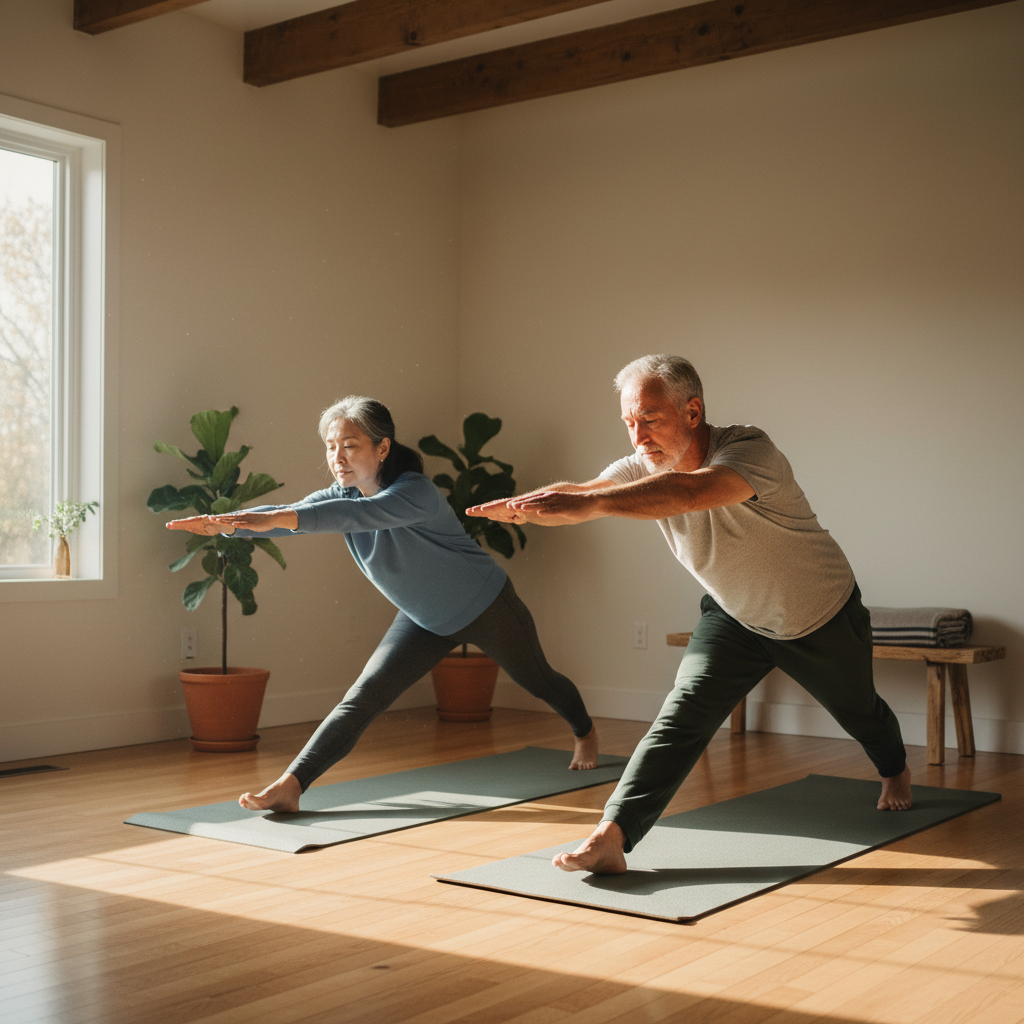
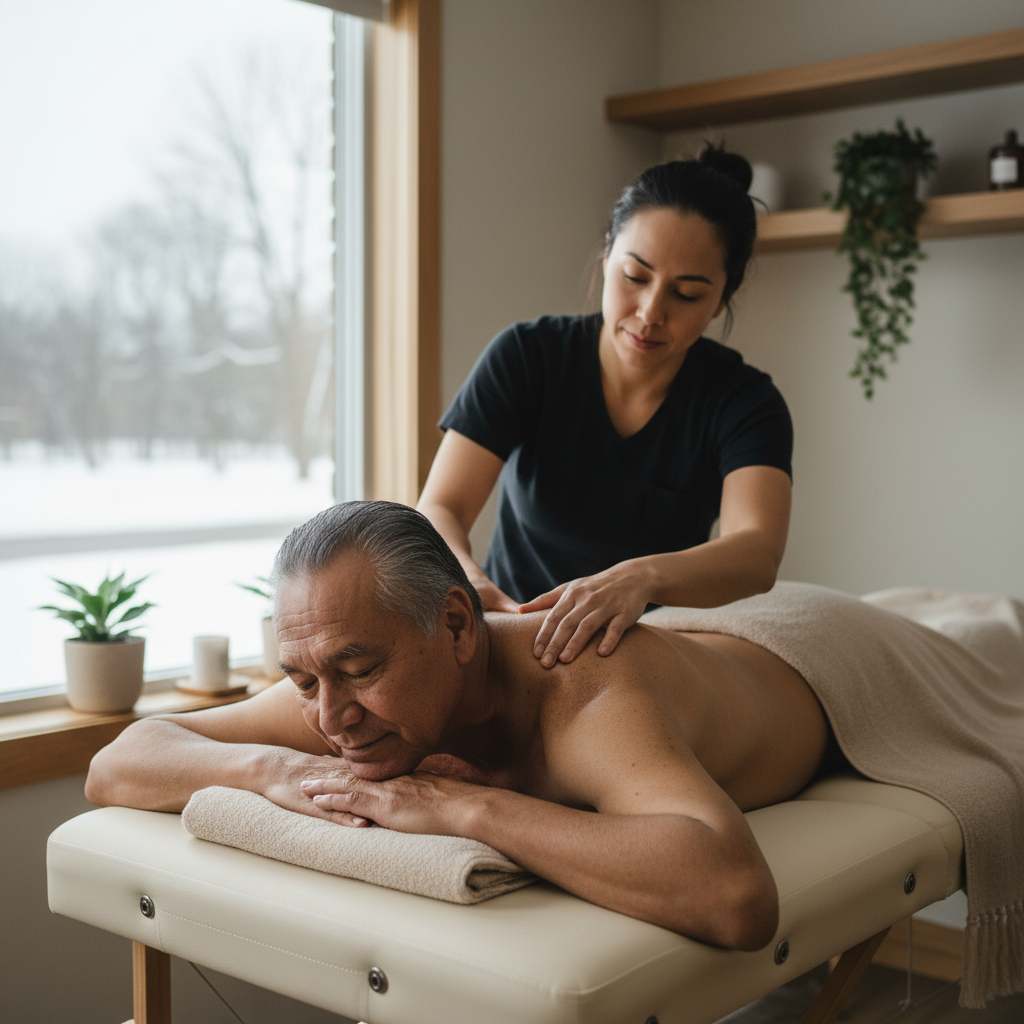
Consider Patricia, 69, from Toronto. She's retired on CPP and a modest pension ($2,800/month) and wants to stay active with water aerobics ($250/month), a gym membership ($80/month), and semi-annual massage therapy ($400/session, twice yearly). Annual wellness spending totals approximately $4,200.
Patricia owns her home (valued at $520,000) outright. Rather than sacrifice wellness for budget constraints, she obtains a reverse mortgage. By borrowing $50,000–$60,000, she can fund ten years of wellness programs through a line of credit, accessing funds monthly or annually as needed. Her retirement income remains untouched for other living expenses.
What to Understand Before Borrowing
Compound Interest: If Patricia borrows $4,200 annually over five years ($21,000 total) at 7.5% interest, the debt grows to approximately $24,500 due to compounding. This is significant, but spread over five years, it averages $4,900 annually—less than the cost of professional training.
Repayment Timeline: The reverse mortgage is repaid when you sell the home, move out, or pass away. If you plan to leave the home to heirs, they must repay the debt or the home is sold.
Lender Approval: CHIP, Equitable Bank, Bloom Financial, and Home Trust all lend in Ontario. All offer similar terms; comparison shopping is worthwhile.
No Restrictions on Spending: Unlike government grants or some insurance products, reverse mortgage funds have no restrictions. You can spend on fitness, travel, hobbies, or any purpose.
Timeline and Process
The reverse mortgage process typically takes 4–6 weeks:
- Consultation — discuss wellness goals and funding needs
- Home appraisal — lender orders valuation
- Application — basic approval based on age, property, and equity
- Independent legal advice — required in Ontario to ensure you understand terms
- Closing — documents are signed; funds become available
- Wellness spending — begin your fitness memberships and programs
Alternatives to Consider
Senior fitness subsidies: Some municipalities offer subsidized fitness classes for seniors. Check with your local recreation center.
Community centers: Public community centers often offer low-cost fitness programs, pools, and classes.
Online fitness platforms: Netflix-style fitness subscriptions cost $10–$20/month for yoga, strength training, and aerobics.
Walking groups: Free community walking groups are available in most neighborhoods.
Wellness insurance: Some supplemental health insurance plans cover fitness memberships or massage therapy (limited).
A reverse mortgage works best when you want comprehensive, ongoing wellness programs and other funding sources don't provide adequate coverage.
FAQ
Q: Can I use reverse mortgage funds for a multi-year fitness membership? A: Yes. You can pay for memberships in advance or set up ongoing monthly withdrawals from your line of credit.
Q: Does fitness spending funded by a reverse mortgage affect my benefits? A: No. Reverse mortgage proceeds don't count as income for OAS, GIS, or CPP calculations.
Q: What if I want to pause my fitness program mid-way? A: If you have a line of credit, you simply stop withdrawing. If you prepaid a membership, you'd typically forfeit unused portions (check membership terms).
Q: Can I combine a reverse mortgage with other fitness funding? A: Yes. If you have employer health benefits that cover fitness, combine that with reverse mortgage funding to maximize your wellness budget.
Q: Is there a maximum amount I can borrow for wellness? A: No specific wellness limit exists. Your borrowing capacity is based on home value and age. You decide how much to allocate toward wellness.
The Bottom Line
Wellness is not a luxury in retirement—it's essential to independence, longevity, and quality of life. For Ontario homeowners 55+, a reverse mortgage can make ongoing fitness, preventative care, and wellness programs affordable without sacrificing other retirement needs.
Speak to a licensed mortgage professional. Independent legal advice is required before closing a reverse mortgage in Ontario.
Ready to invest in your health and longevity? Contact Rick Sekhon, a licensed reverse mortgage specialist, to explore how a reverse mortgage can fund your wellness goals in retirement.
This content is for illustrative purposes only. Rates may vary. Call Rick Sekhon for the best rates and more information.
Ready to Learn More?
Get the free Ontario Reverse Mortgage Guide and find out exactly how much you could unlock from your home.
Get My Free Guide →Related Articles
Reverse Mortgage on a Condo in Ontario: Complete 2026 Guide
Learn about reverse mortgages on condos in Ontario, including eligibility requirements, special considerations, and fees involved.
Read →Working with an Accountant: When Reverse Mortgage Tax Planning Is Worth It
Understand when to hire a CPA for reverse mortgage tax planning. Strategies that save money in retirement income and government benefits.
Read →Protecting Your Home During Separation: Reverse Mortgage Strategy for Spouses
Navigate reverse mortgage implications during spousal separation or divorce in Ontario. Protect equity and understand family law considerations.
Read →