
Reverse Mortgage When Spouse Enters Long-Term Care
Bridge income gap when one spouse moves to long-term care in Ontario. Maintain your lifestyle while supporting spouse's care costs with a reverse mortgage.
Your spouse has been diagnosed with a condition requiring long-term care placement, and you're facing a devastating financial reality: staying in your home alone while supporting your spouse's care, or giving up your home to make the finances work. A reverse mortgage lets you keep your home and maintain income to support your spouse's care without sacrificing your own security.
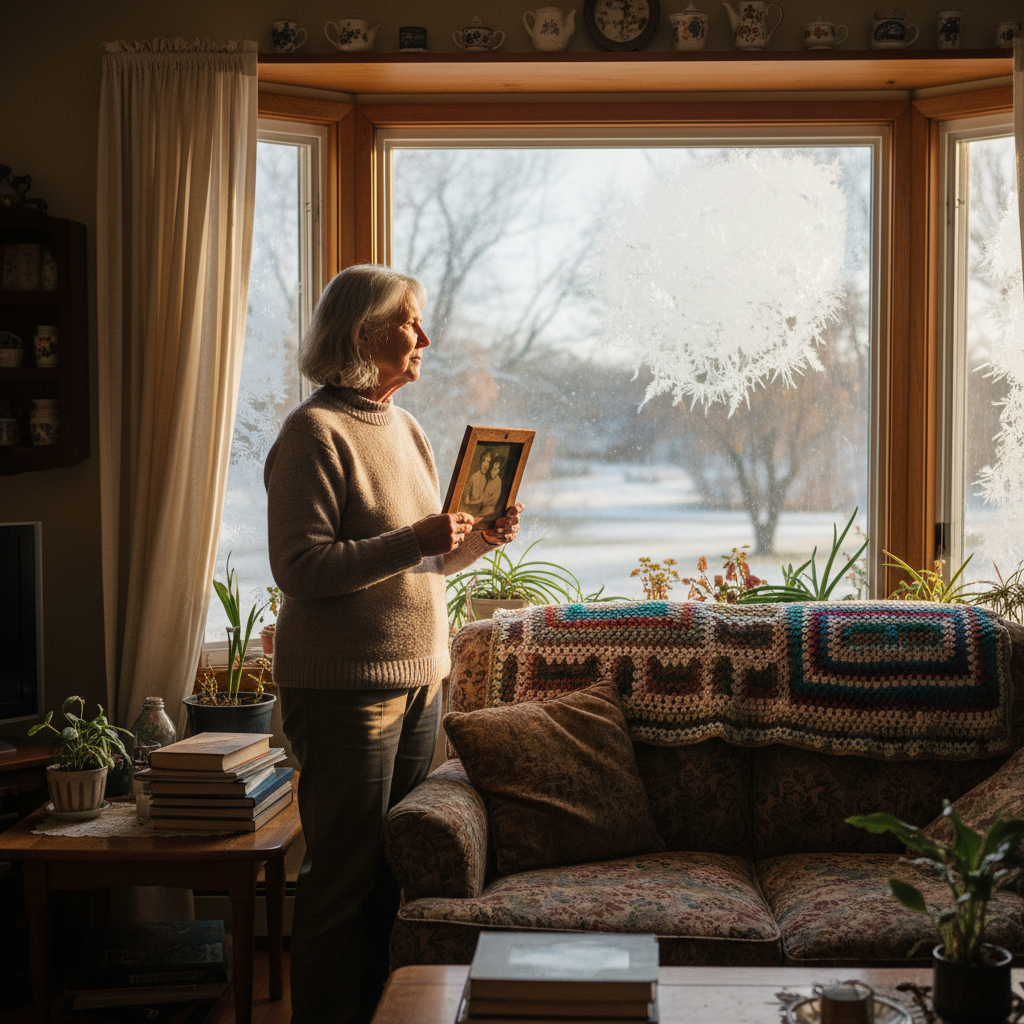
The Income Crisis When One Spouse Enters Long-Term Care
This scenario is heartbreaking and increasingly common in Ontario. One spouse requires placement in a long-term care facility while the other spouse remains in the family home. Suddenly, you're managing:
- Mortgage or property tax payments (if still paying)
- Utilities and home maintenance
- Your own living expenses
- Your spouse's care costs (which insurance won't cover)
- Travel to visit your spouse
| Cost Category | Monthly Ontario Cost (2026) |
|---|---|
| Long-term care private room | $3,000–$5,000 |
| Long-term care semi-private room | $2,000–$3,500 |
| Long-term care basic shared room | $1,500–$2,500 |
| OAS/CPP combined for couple | $4,000–$6,000 |
| Home expenses (property tax, utilities, insurance) | $1,500–$2,500 |
| Total monthly need | $6,500–$11,000 |
For most couples, the remaining spouse's CPP/OAS ($2,000–$3,000/month) is nowhere near sufficient to cover both the home and the care facility costs.
The Cruel Choice: Most Spouses Face These Options
Option 1: Sell the Home
- Downsize to a smaller property (frees up equity, but you lose the family home)
- Move into a seniors' residence yourself (expensive, and you lose independence)
- Rely on the sale proceeds for income
Problem: Your home has emotional and financial significance. Selling means losing your stability while your spouse is losing independence — a doubly traumatic event.
Option 2: Go Into Debt
- Use credit cards to cover care costs and living expenses
- Take out a personal loan (high interest rate)
- Borrow from family (complicates relationships)
Problem: Consumer debt on a fixed income spirals quickly. You're adding interest costs to an already-impossible budget.
Option 3: Cut Your Own Living Standards Drastically
- Move into a cheaper rental
- Stop visiting your spouse (save on travel costs)
- Eliminate all discretionary spending
- Deplete your savings and emergency funds
Problem: While your spouse is suffering loss of independence, you're also losing your home and quality of life. This is not sustainable for a 10, 15, or 20-year care period.
Option 4: Keep Your Home and Use a Reverse Mortgage (The Better Solution)
A reverse mortgage lets you stay in your home, maintain your lifestyle, AND support your spouse's care — without selling, going into debt, or drastic cuts.
Real Example: The Robertson Couple
Peter (74) and Margaret (76) live in a suburban Ontario home worth $550,000. They're mortgage-free. Their combined income is $5,500/month (CPP + OAS + small pension).
Their fixed home expenses (property tax, insurance, utilities): $1,800/month
Margaret is diagnosed with early-stage Alzheimer's and requires long-term care placement within 18 months.
The numbers:
- Margaret's long-term care: $3,200/month (private room; insurance covers $800, leaving $2,400 to pay)
- Peter's living expenses: $1,800/month
- Peter's discretionary/travel: $500/month
- Total monthly need: $4,700
Peter's income: $5,500/month (appears sufficient until you account for Margaret's non-covered care costs)
The shortfall: Margaret's insurance covers $800 of her care. The remaining $2,400 comes directly from Peter's income. After home expenses ($1,800) and Margaret's care ($2,400), Peter has only $300 left for his own food, medications, and discretionary spending.
For a 15-year care period, this is impossible.
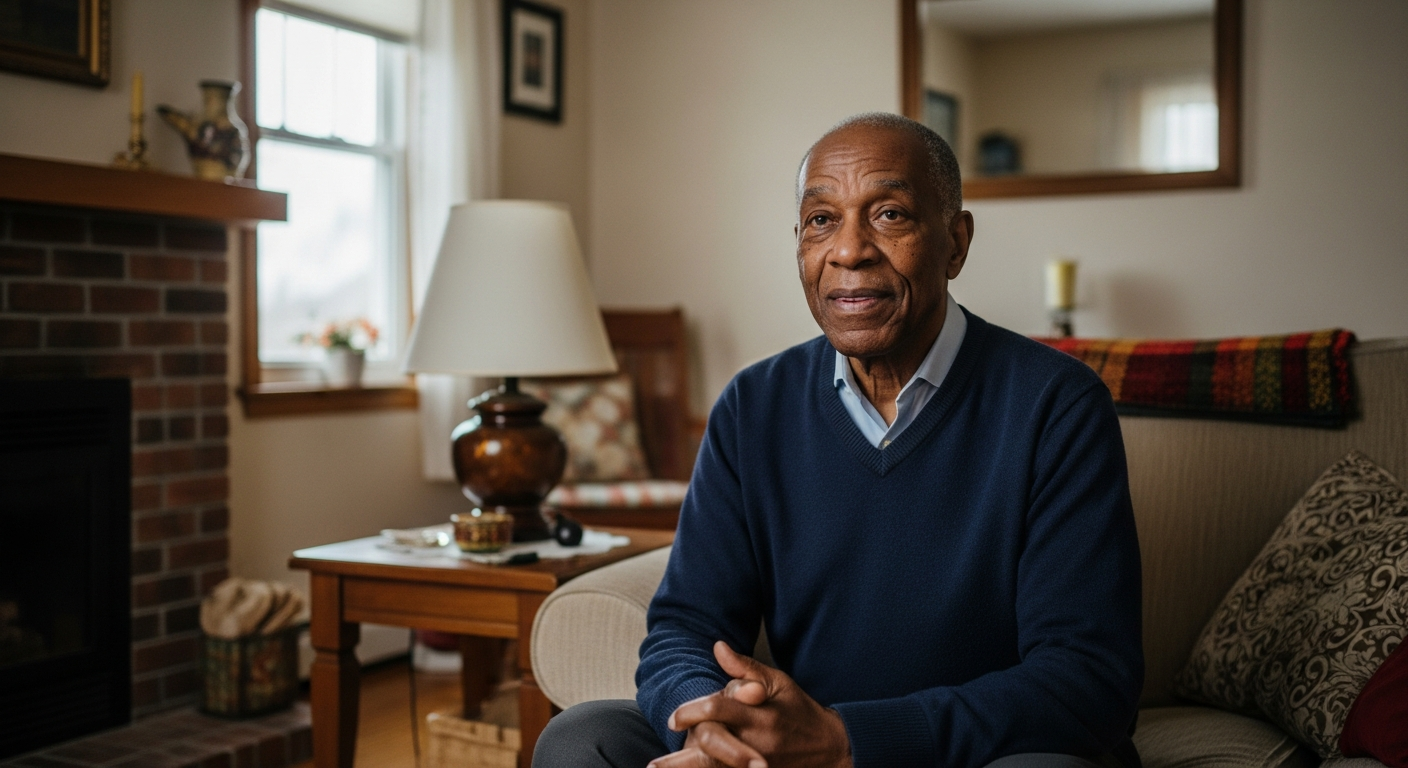
How a Reverse Mortgage Solves This
Peter takes out a reverse mortgage for $200,000. The monthly interest cost is approximately $1,100 (at 6.8% annual interest).
New monthly calculation:
- Peter's income: $5,500
- Reverse mortgage interest: $1,100
- Margaret's care (uncovered): $2,400
- Peter's living expenses: $1,800
- Total monthly need: $5,300
Result: Peter has $200/month buffer, can maintain his home, and can support Margaret's care indefinitely. The reverse mortgage balance grows over time (interest compounds), but it's paid from the estate when Peter eventually passes away or the home is sold.
Critically: Peter remains in his home, maintains his dignity, and can visit Margaret regularly. The reverse mortgage is a bridge — not a permanent solution, but a way to survive an impossible situation.
Key Benefit: The "No Repayment" Structure
A reverse mortgage requires no monthly payment from Peter. This is crucial because his cash flow is already stretched to the limit. Unlike a home equity line of credit (HELOC) or traditional mortgage:
- ✓ No monthly payment obligation
- ✓ No risk of default if income changes
- ✓ Interest compounds (you don't pay it monthly, it adds to the loan balance)
- ✓ Repayment happens when you pass away or sell the home
For Peter's situation, this flexibility is essential to survival.
Spousal Considerations and Estate Implications
Important Question: What Happens to the Home?
When Peter eventually passes away (while Margaret is still in care):
Scenario 1: Margaret Inherits
- The reverse mortgage must be repaid from the estate
- The home is sold (or refinanced to cover the mortgage)
- Remaining proceeds go to Margaret's estate (which then goes to their children)
Scenario 2: Peter's Will Directs Home to Children
- The reverse mortgage must be repaid from the sale
- Children inherit remaining equity after the loan is satisfied
Scenario 3: Home Goes Into Trust for Margaret's Benefit
- Complex legal arrangement; a lawyer must structure it
- The trust's assets (the home) must eventually repay the reverse mortgage
According to FSRAO, it's critical to discuss these scenarios with a lawyer who specializes in elder law. Your will and the reverse mortgage must work together, not against each other.

Can Your Spouse (In Care) Also Use a Reverse Mortgage?
This is a gray area. Generally:
- If the spouse in long-term care still owns part of the home (on the title), they may need to consent to the reverse mortgage
- If both spouses are on title, both may need to sign the reverse mortgage agreement
- If one spouse has power of attorney, the POA holder may sign on behalf of the spouse in care
This requires careful legal documentation. Speak with a lawyer and your reverse mortgage lender about spousal consent and POA situations.
Government Support: What's Actually Available
Before maxing out a reverse mortgage, explore these Ontario resources:
| Program | Coverage | Eligibility |
|---|---|---|
| Ontario Health Coverage | Long-term care basic room (shared) | All Ontario residents 18+ |
| Supplementary Insurance | Additional coverage varies | Through private insurers |
| Caregiver Tax Credit | Federal tax reduction | Primary caregiver of dependent |
| Ontario Caregiver Support Programs | Counseling, support groups | Free; income-based |
| Respite Care Grants | Temporary relief care | Some regional programs |
Unfortunately, public long-term care covers only the basic room (shared). Private and semi-private rooms — which many families prefer for comfort — are not covered. This is where the reverse mortgage bridges the gap.
Tax and Benefit Implications
| Aspect | Impact |
|---|---|
| Reverse mortgage proceeds | Not taxable to you |
| Your OAS/GIS | Not affected by proceeds |
| Your CPP | Not affected |
| Long-term care facility payments from RM funds | Not tax-deductible |
| Caregiver support claims | Separate from RM; different tax rules |
According to the CRA, money borrowed through a reverse mortgage is not income, so it does not affect government benefits or create tax obligations for you.
How Much Should You Borrow?
A good rule of thumb is to borrow enough to cover 5–7 years of the monthly shortfall, using a line-of-credit structure.
Example:
- Monthly shortfall (care costs exceeding CPP/OAS): $2,400
- 5-year funding: $2,400 × 60 months = $144,000
- 7-year funding: $2,400 × 84 months = $201,600
This gives you a cushion while you adjust to the new financial reality. You can always request additional draws if needed (with line-of-credit access).
Frequently Asked Questions
If my spouse is in long-term care and I stay in the home, can both of us be on the reverse mortgage?
Yes, but both spouses (or a power-of-attorney holder for the spouse in care) must sign the mortgage agreement. Some lenders are cautious about this scenario, so transparency with your lender is essential.
What if the long-term care facility closes or my spouse needs to relocate?
The reverse mortgage stays in place on your home. You, as the homeowner, are responsible for the mortgage regardless of where your spouse receives care. If your spouse relocates to a different facility, your financial obligations don't change — you still need to cover the costs.
Can I use reverse mortgage funds to pay for in-home care instead of a long-term care facility?
Yes. A reverse mortgage can fund home care, day programs, medical equipment, or long-term care facility costs. The funds are flexible — you decide how to spend them.
If my spouse is in care in another province, can I still use a reverse mortgage in Ontario?
Yes. The reverse mortgage is against your Ontario home. Your spouse's location (care facility location) doesn't affect your eligibility or the mortgage terms.
What happens if I die before my spouse? Can they stay in the home after I pass?
This is complex. If your spouse is still alive:
- The reverse mortgage must be repaid (unless your will/estate covers it)
- Your spouse may need to refinance or sell the home
- Discuss succession planning with a lawyer to protect your spouse's housing security
Does my spouse's long-term care admission count as them "moving out" of the home, which might trigger the reverse mortgage repayment clause?
This depends on the lender's definition of "permanent move." Generally, long-term care placement is not considered repayment trigger if the other spouse (you) remains in the home as primary resident. Confirm this with your lender before closing the mortgage.
A reverse mortgage gives you a path forward when your spouse requires care and your income can't stretch to cover both home and care costs. It's not a perfect solution, but it lets you maintain dignity and stability during an incredibly difficult time.
Also read:
- Long-term care planning with a reverse mortgage
- Healthcare costs and aging in place
- Home care funding strategies
Get your free Ontario Reverse Mortgage Guide →
This content is for illustrative purposes only. Long-term care costs and coverage vary by facility and province. Consult with an elder law lawyer before implementing a reverse mortgage strategy involving spousal care. Call Rick Sekhon Reverse Mortgages for the best rates and more information.
Ready to Learn More?
Get the free Ontario Reverse Mortgage Guide and find out exactly how much you could unlock from your home.
Get My Free Guide →Related Articles
Reverse Mortgage for Long-Term Care Planning in Ontario: What Triggers Repayment?
Understand what happens to your reverse mortgage if you move to long-term care, retirement home, or nursing facility. Plan ahead to avoid a crisis.
Read →Reverse Mortgage to Pay for Home Care in Ontario (2026 Guide)
Learn how Ontario seniors use a reverse mortgage to pay for home care costs. Compare care options, funding strategies, and what's covered in 2026.
Read →Reverse Mortgage for Healthcare Costs: Aging in Place in Ontario
How Ontario seniors use a reverse mortgage to fund home care, medical equipment, prescriptions, and healthcare expenses — and stay in their home longer.
Read →