
Reverse Mortgage for Spousal Buyout: Keeping Your Family Home
Use a reverse mortgage to buy out a spouse or co-owner and keep your Ontario family home. Estate planning and financial solution guide.
What happens to your family home if you and your spouse part ways, or if one spouse passes and you want to keep the house? A spousal buyout using a reverse mortgage is a powerful — and often overlooked — strategy that allows you to remain in your home while providing your ex-spouse or co-heir with their rightful share of the equity.
This approach is particularly valuable for Ontario homeowners over 55 who built significant home equity over decades but lack liquid assets for a buyout payment.
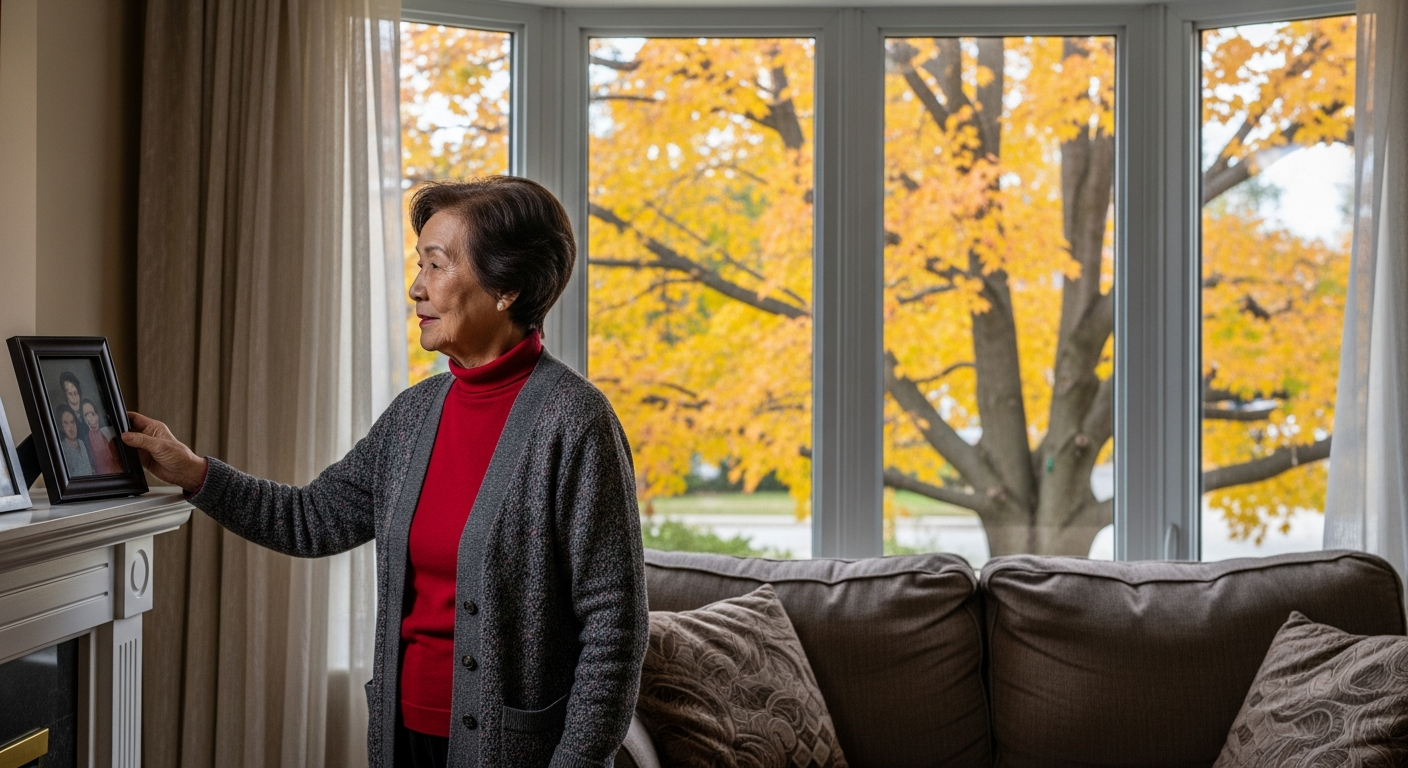
What Is a Spousal Buyout and When Do You Need One?
A spousal buyout occurs when one spouse (or remaining spouse) acquires the other's ownership stake in a shared home. This typically happens in two scenarios:
After divorce: Family law in Ontario requires equitable division of marital property. If both spouses are on the mortgage and title, one spouse often wants to stay in the home while the other requires their share of the equity in cash or other assets.
After death of a spouse: When one spouse passes away, the surviving spouse may want to remain in the home they shared, but the estate must account for that home's value when distributing assets to heirs or settling the estate.
In both cases, you need liquid funds — often $100,000 to $500,000+ — to compensate the other party. A reverse mortgage can provide that cash without requiring you to sell or move.
How a Reverse Mortgage Solves the Buyout Problem
According to Family Law Act Ontario, property division in divorce must be fair and equitable. Similarly, estate law requires that the home's value be accounted for when dividing an estate.
A reverse mortgage works as the buyout funding mechanism by:
- Tapping existing home equity — you access funds secured against your home without selling it
- Providing lump-sum cash — most reverse mortgages offer a one-time advance or multiple draws that can reach $500,000+ depending on age, home value, and location
- Maintaining your ownership — you keep the home; the reverse mortgage is a lien against the property, not a transfer of ownership
- Avoiding income qualification — reverse mortgages don't require employment or income verification, making them accessible even in retirement
- Preserving credit — unlike new debt, a reverse mortgage doesn't impact your credit score since you're not required to make monthly payments
| Buyout Challenge | Reverse Mortgage Solution |
|---|---|
| Don't have liquid savings for buyout | Access home equity as a lump sum |
| Can't qualify for traditional mortgage | No income or credit requirements |
| Want to stay in home | Keep ownership; RM is just a lien |
| Need funds quickly | Close in 30–45 days |
| Concerned about monthly payments | Interest compounds; no payments required |
Real-World Scenario: Margaret's Divorce Buyout
Margaret, 61, divorced her husband after 38 years of marriage in Ontario. Their family home in Mississauga was valued at $850,000 with a paid-off mortgage. Under family law, her ex-spouse was entitled to $425,000 (half the equity).
Margaret had only $45,000 in savings and didn't want to sell the home where she'd raised her children. She couldn't qualify for a traditional mortgage without employment income.
Solution: Margaret obtained a reverse mortgage for $425,000. At age 61 and with an $850,000 home, she qualified for approximately 50% LTV — enough to cover the buyout. She used the lump-sum advance to pay her ex-spouse directly, keeping the house entirely in her name.
The math:
- Home value: $850,000
- Reverse mortgage borrowed: $425,000
- Interest rate: 6.54% (5-year fixed, Equitable Bank rate as of March 2026)
- After 10 years: reverse mortgage balance approximately $765,400
- Margaret remains in her home; her ex-spouse is paid; no monthly payments required
Margaret's reverse mortgage will be repaid only when she sells the home, downsizes, or passes away — by which time she will have enjoyed another 10–15+ years living in her family home.
Spousal Buyout vs. Traditional Home Equity Loan
| Factor | Reverse Mortgage | HELOC/Home Equity Loan |
|---|---|---|
| Age requirement | 55+ | Usually 18+ (any age) |
| Income/employment required | No | Yes |
| Monthly payments | No | Yes (typically) |
| Closing costs | $500–$2,500 | $300–$1,000 |
| Time to close | 30–45 days | 10–20 days |
| Maximum amount | 40–55% LTV depending on age | Often 80% LTV |
| Rate type | Fixed or variable | Usually variable |
For divorced or widowed seniors, a HELOC usually isn't an option because of employment income requirements. A reverse mortgage is often the only feasible path to keep your home while settling a spousal claim.
According to Statistics Canada, grey divorce (divorce after age 50) has doubled since 1990, making spousal buyout strategies increasingly relevant for Ontario retirees.
Estate Planning: Buying Out Co-Heirs to Keep the Family Home
A similar challenge arises after the death of a spouse. If your spouse passes and the home is included in their estate, the executor may need to sell the property to settle debts, taxes, or distribute assets fairly to other heirs. If adult children expect a portion of the $800,000 home, for example, selling may seem like the only option.
A reverse mortgage allows the surviving spouse to:
- Borrow against the home's equity to buy out the co-heirs' shares
- Keep the home rather than forcing a sale
- Defer repayment until the surviving spouse passes or moves into care
- Protect the legacy — the home remains in the family and can eventually pass to children (with the reverse mortgage paid from the estate)
This strategy aligns with the Living Legacy persona: using your home equity to keep family assets intact while you're alive and after.

Legal and Tax Implications of a Spousal Buyout Reverse Mortgage
Before proceeding, understand the legal and tax landscape:
Family Law Considerations
Consult a family lawyer to ensure:
- The buyout amount matches the court-ordered equalization payment
- The reverse mortgage terms don't violate the divorce settlement
- The spouse being paid out agrees to release their interest in the property (through a discharge of interest or similar legal document)
Tax Implications
According to CRA guidelines, a reverse mortgage is not considered income — it's a loan advance. This means:
- No income tax on the reverse mortgage proceeds
- No effect on OAS/GIS — the funds don't count as income for government benefits
- Potential capital gains if you later sell the home at a profit (only if not your principal residence, which is usually exempt)
Speak with an accountant if the home has been used for rental purposes or business to clarify capital gains implications.
Insurance and Probate Planning
If keeping the home for your estate is important:
- Ensure title is clear — the surviving spouse or sole owner should hold the property in their sole name
- Update your will — specify that the home should remain in the family (though the reverse mortgage will need to be repaid from the estate)
- Consider life insurance — to cover the reverse mortgage balance at death and ensure heirs inherit the home debt-free
Comparing Buyout Funding Options
| Funding Method | Best For | Challenges |
|---|---|---|
| Reverse mortgage | Retirees 55+; no employment income | Interest compounds over time |
| HELOC | Younger homeowners; stable employment | Requires income verification |
| Personal savings | Any age; any circumstance | May deplete emergency reserves |
| Sell and downsize | Willing to relocate | Loses family home |
| Gift from adult children | Family resources available | May create resentment or strain |
| Spousal agreement to defer | Both parties willing to work together | Legally complex; relationship dependent |
The Bottom Line: Keeping Your Home, Securing Your Future
A reverse mortgage spousal buyout lets you:
✓ Keep your family home after divorce or death of spouse ✓ Access funds without income or credit qualification ✓ Avoid monthly mortgage payments ✓ Preserve your independence and security ✓ Create a smooth transition for ex-spouse or co-heirs
For Ontario homeowners over 55, it's a path forward that traditional lenders cannot offer.
Frequently Asked Questions
Can I get a reverse mortgage if I'm in the middle of a divorce?
Yes. Many Ontario homeowners pursue reverse mortgages during divorce proceedings. However, consult your family lawyer first to ensure the reverse mortgage aligns with your settlement and that both spouses agree to the terms.
Will a reverse mortgage affect my spousal support or alimony obligations?
A reverse mortgage doesn't directly affect support calculations, but it does increase your home equity accessibility. Consult a family lawyer to understand how this affects your specific situation.
What if my ex-spouse won't agree to sign off on the property?
The reverse mortgage lender will require a clear title and proof that any other ownership interests have been discharged. If your ex-spouse won't cooperate, you may need a court order clarifying ownership before the lender will proceed.
How long do I have to repay a reverse mortgage from a spousal buyout?
There is no fixed timeline. The reverse mortgage remains until you sell the home, move into care, or pass away. Many retirees keep a reverse mortgage in place for 15–25 years without repaying anything.
Can my heirs keep the home after I pass?
Yes. If your heirs want to keep the home, they can pay off the reverse mortgage balance from other estate assets or by obtaining a traditional mortgage themselves. The home is still yours to pass on; the reverse mortgage is simply a debt against the property.
Next Steps
If you're navigating a divorce or spousal buyout, start with these steps:
- Consult a family lawyer — clarify your legal obligations and rights
- Get a home appraisal — understand your home's market value
- Contact Rick Sekhon — explore reverse mortgage eligibility and options
- Review your estate plan — update your will and beneficiary designations
Ready to Learn More?
Get the free Ontario Reverse Mortgage Guide and find out exactly how much you could unlock from your home.
Get My Free Guide →Related Articles
How to Talk to Your Family About Getting a Reverse Mortgage
A practical guide for Ontario seniors on how to talk to family about getting a reverse mortgage — conversation frameworks, common concerns, and tips.
Read →Reverse Mortgage After Divorce: A Guide for Seniors
Navigate reverse mortgages after divorce, including property division, sole ownership, and financial planning for separated seniors.
Read →Estate Planning with a Reverse Mortgage: Protecting Your Heirs' Inheritance
Understand how a reverse mortgage affects your estate. Learn about the no-negative-equity guarantee, repayment timing, and strategies to preserve inheritance.
Read →