
Estate Planning with a Reverse Mortgage: Protecting Your Heirs' Inheritance
Understand how a reverse mortgage affects your estate. Learn about the no-negative-equity guarantee, repayment timing, and strategies to preserve inheritance.
"I want to leave my home to my children, but if I take a reverse mortgage, won't they lose the house when I pass away?" This is a common misconception. A reverse mortgage does not mean your heirs lose the home. Instead, it means they inherit the home with a debt attached—one they can easily repay by selling the home and keeping the remaining equity. Understanding how reverse mortgages work with estate planning is critical.
This article is for educational purposes only and does not constitute financial advice.
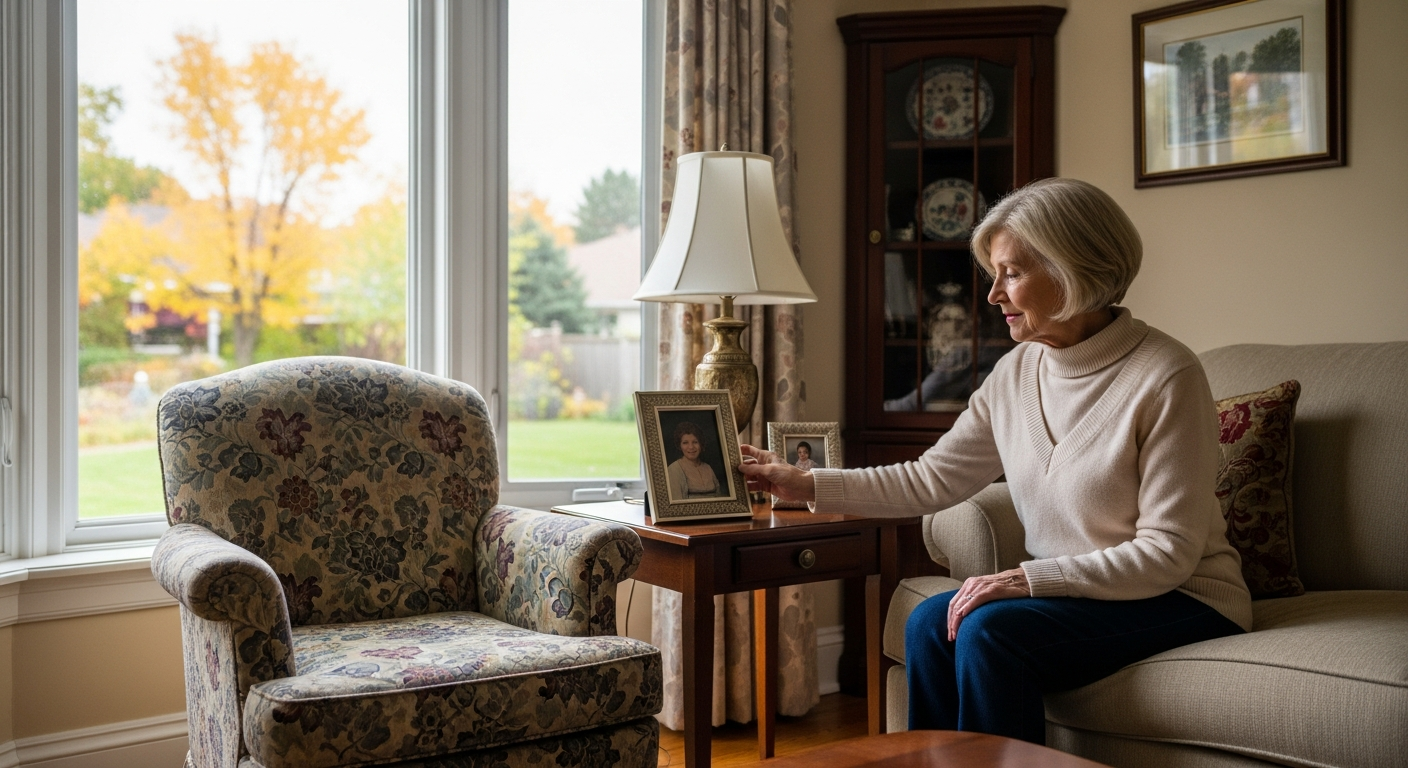
How a Reverse Mortgage Affects Your Estate
When you pass away, the reverse mortgage doesn't disappear. Instead, the lender is repaid from your home's sale proceeds, and the remaining equity passes to your heirs.
The No-Negative-Equity Guarantee (The Key Safeguard)
This is the single most important protection for your heirs. The no-negative-equity guarantee means: Your heirs never owe more than the current market value of the home.
Example:
- Home value today: $600,000
- You borrow: $300,000 via reverse mortgage
- After 15 years of compounding at 6.9%, your reverse mortgage balance grows to: ~$812,000
- But your home appreciates to: $850,000 (at 2.5% annually)
When you pass away:
- Home sells for: $850,000
- Reverse mortgage balance due: $812,000
- Your heirs inherit: $38,000
The no-negative-equity guarantee protects your heirs because the lender cannot demand more than the home is worth. If your home declined in value instead:
- Home value after decline: $750,000
- Reverse mortgage balance: $812,000
- Difference: $62,000 shortfall
- Your heirs owe: $0 (lender absorbs the loss due to the guarantee)
This guarantee is built into all licensed Canadian reverse mortgages (CHIP, Equitable Bank, Bloom, Home Trust). It's federally protected and cannot be waived.
Real-World Scenarios: How Your Heirs Inherit
Scenario 1: The Appreciating Home (Most Likely)
You: Age 72, home worth $700,000 Action: Borrow $280,000 via reverse mortgage (40% of home value) You live: 15 more years (age 87) During those 15 years:
- Home appreciates to: $921,000 (at 2.5% annually)
- Reverse mortgage balance grows to: ~$706,000
- Your heirs' inheritance: $215,000 in equity
Outcome: Your heirs inherit significant equity despite the reverse mortgage. The home appreciated faster than your loan compounded.
Scenario 2: The Stable/Declining Market
You: Age 70, home worth $550,000 Action: Borrow $220,000 via reverse mortgage (40% of home value) You live: 20 more years (age 90) During those 20 years:
- Home market stagnates or declines slightly; current value: $550,000
- Reverse mortgage balance grows to: ~$771,000
- Difference: $221,000 shortfall
Outcome with guarantee: Your heirs inherit the home free and clear. The lender absorbs the $221,000 loss. Your heirs sell the home for $550,000 (net proceeds after costs), and the house passes to them with no debt.
Without the guarantee (which would be illegal), your heirs would owe $221,000 from their personal assets. That's devastating. The guarantee protects them.
Scenario 3: Significant Home Appreciation (Best Case)
You: Age 65, home worth $600,000 Action: Borrow $240,000 via reverse mortgage (40% of home value) You live: 25 more years (age 90) During those 25 years:
- Home appreciates significantly (tech boom, neighborhood gentrification): $1,350,000
- Reverse mortgage balance grows to: ~$1,040,000
- Your heirs' inheritance: $310,000 in equity
Outcome: Your heirs inherit substantial equity. The reverse mortgage was a tool you used to fund your retirement, but the appreciating home more than offset the compounding debt. Your heirs benefit from the property's appreciation.
Protecting Heirs: Strategic Estate Planning
If leaving a legacy is important, you can structure a reverse mortgage to minimize the inheritance impact:
Strategy 1: Borrow Conservatively
Don't borrow the maximum. If you can borrow 55% of home value, borrow 30–40% instead. This:
- Keeps debt levels manageable relative to home value
- Provides buffer if home appreciates slower than expected
- Ensures heirs inherit more equity
Example:
- Maximum borrowing (55%): $330,000
- Conservative borrowing (35%): $210,000
- Difference: $120,000 you don't borrow = more inheritance cushion
Strategy 2: Plan for Early Repayment
If you expect an inheritance, large insurance payout, or RRSP/TFSA growth, plan to repay the reverse mortgage early:
- Borrow $250,000 at age 72
- At age 77, you receive an inheritance of $100,000
- Use that $100,000 to prepay the reverse mortgage (accept the 3-month penalty)
- Reverse mortgage balance drops from $330,000 → $230,000
- Your heirs inherit more equity
Strategy 3: Communicate Your Plan to Heirs
This is underrated but critical. Have an explicit conversation with your adult children:
"I'm taking a reverse mortgage on my home to fund my retirement. Here's why: [cash flow need]. Here's how much I'm borrowing: [$]. Here's when the home will be repaid: [at my death, from the sale]. Here's what you'll inherit: [estimated equity]. Do you have concerns?"
This transparency prevents shock or resentment later. Your heirs will understand the reverse mortgage was a tool to fund your retirement, not a loss of their inheritance.
Strategy 4: Document Everything
Keep organized records:
- Reverse mortgage agreement and loan documents
- Annual statements showing balance growth
- Home appraisal (for estate valuation purposes)
- Any prepayments made
When you pass away, your estate executor needs these documents to:
- Understand the exact amount owed
- Coordinate with the lender for repayment
- Calculate remaining equity for distribution to heirs
- File final tax returns
Impact on Different Estate Situations
Single Homeowner (Most Common)
When you pass away:
- Home is appraised and listed for sale by your estate
- Lender is notified; reverse mortgage must be repaid from sale proceeds
- Remaining equity passes to your heirs (or is distributed per your will)
Timeline: 2–4 months for home sale + closing. Your heirs receive their inheritance within a few months.
Married Couple (Joint Ownership)
If both spouses are age 55+ and on the reverse mortgage together:
- When the first spouse passes, the surviving spouse is not required to repay
- The reverse mortgage continues under the surviving spouse's name
- The surviving spouse can continue living in the home, drawing if needed
- Repayment happens when the surviving spouse passes or moves
This is a significant protection for couples. The surviving spouse doesn't face a crisis of needing to repay immediately after their partner dies.
Important: Both spouses should be co-borrowers (not just one). If only one spouse is on the reverse mortgage, the lender may call the full balance upon that person's death, forcing the surviving spouse into a difficult situation.
Home with Existing Mortgage
If your home still has an existing mortgage when you take a reverse mortgage:
- The reverse mortgage is a second mortgage (second charge)
- Your first mortgage must be paid off from the proceeds
- Remaining proceeds are available to you
- When you pass away, both debts are repaid from home sale
Example:
- Home value: $600,000
- First mortgage remaining: $150,000
- You take a reverse mortgage: Approve for $240,000
- Used to pay off first mortgage: $150,000
- Proceeds to you: $90,000
- Your heirs eventually inherit: Home minus both debts
This is still legitimate and doesn't harm your heirs—you've simply converted a first mortgage (which required payments) to a second mortgage (which doesn't). Your heirs inherit the remaining equity after both are repaid.
Common Misconceptions About Heirs and Reverse Mortgages
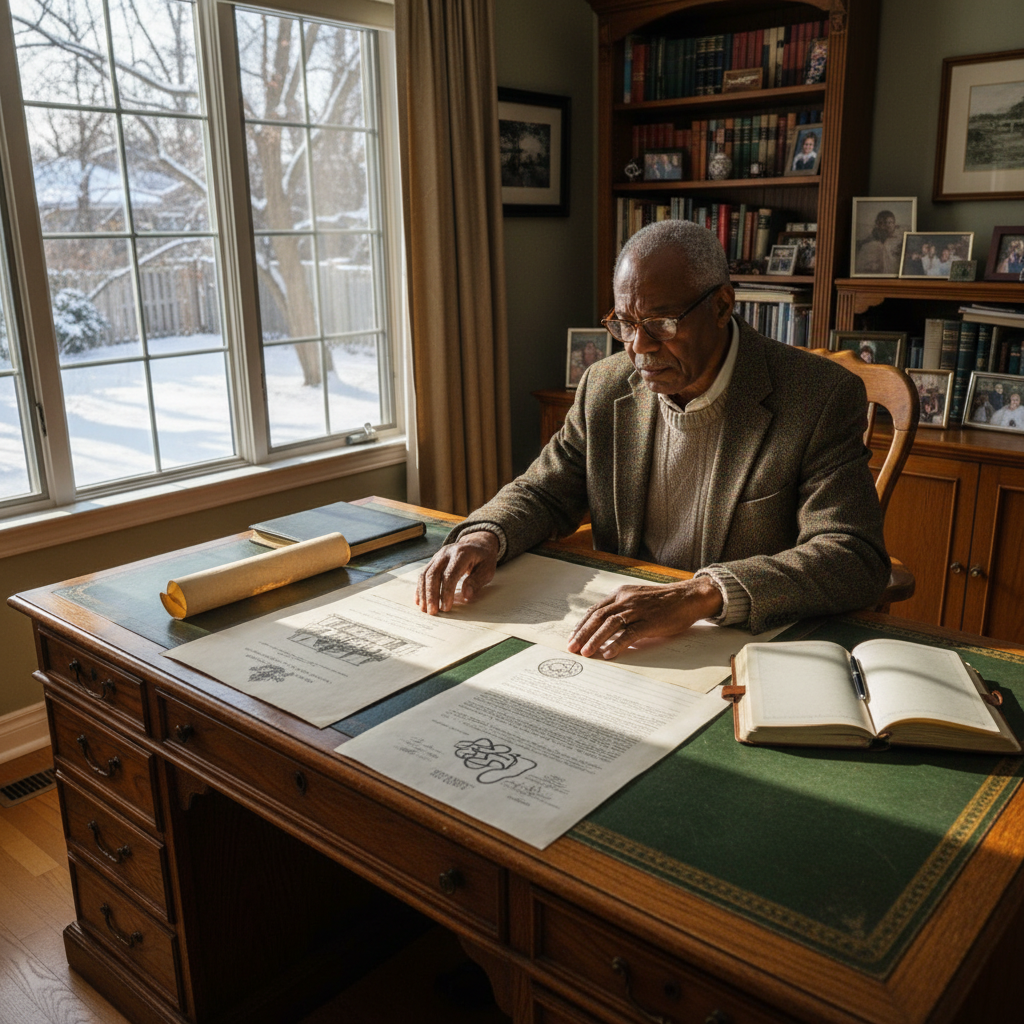
Misconception 1: "My heirs will lose the house."
False. Your heirs inherit the house. They simply inherit it with a debt attached (the reverse mortgage balance). They can:
- Sell the home and keep the remaining equity
- Refinance the reverse mortgage with a traditional mortgage and keep the home
- Use their own funds to repay the reverse mortgage and take ownership free and clear
The house doesn't disappear; the debt is repaid from the sale or refinancing proceeds.
Misconception 2: "The lender owns my home."
False. You own the home. The reverse mortgage is a lien against it (a legal claim), but the title stays in your name. You can sell anytime. You can leave it to your heirs. The lender's only claim is to be repaid from the home's sale proceeds.
Misconception 3: "My heirs owe the full reverse mortgage balance from their personal assets."
False. Your heirs' liability is limited to the home's equity. They don't owe anything from personal assets (except to cover the sale if equity is insufficient to repay the balance—which is impossible under the no-negative-equity guarantee).
Misconception 4: "If I take a reverse mortgage, I'm choosing debt over my children's inheritance."
Not necessarily. If your home appreciates faster than your reverse mortgage balance compounds (which is common), your heirs actually inherit more equity than if you had not borrowed. By using home equity to fund your retirement, you're converting an illiquid asset (the home) into liquid retirement income. Your heirs still benefit from the home's appreciation.
Frequently Asked Questions
Can my heirs force me to repay the reverse mortgage while I'm still alive?
No. Your heirs have no legal standing to force repayment. The reverse mortgage is your obligation, not theirs. They cannot interfere with your borrowing decisions.
However, if your heirs believe you're being defrauded or exploited, they can contact authorities or consult a lawyer about elder abuse.
What if my home is in a trust or held by a corporation?
Reverse mortgages typically require the home to be in your personal name. If your home is in a trust or corporation, special arrangements may be needed. Consult a lawyer and a mortgage broker about the implications.
If I remarry, does my new spouse's status affect my children's inheritance?
This is complex and depends on your will and marital property laws. A reverse mortgage doesn't change your will; your will determines how your estate is divided. However, consult an estate lawyer about how remarriage and property ownership interact with your reverse mortgage.
Can I leave a reverse mortgage to my heirs as a "learning experience" about debt?
No—and you shouldn't. A reverse mortgage is meant to improve your retirement, not to create a burden for your heirs. If you take a reverse mortgage, do so because it genuinely improves your financial situation, not as a teaching tool.

The Bottom Line: A Reverse Mortgage Doesn't Harm Your Estate
With the no-negative-equity guarantee protecting your heirs, a reverse mortgage is a legitimate estate planning tool, not an obstacle to leaving an inheritance. In fact, for many retirees:
- Borrowing against your home lets you preserve investments and TFSA room
- You stay in your family home longer (emotional wealth for you and heirs)
- Your home likely appreciates faster than your reverse mortgage compounds
- Your heirs eventually inherit remaining equity
The key is transparency with your family and understanding how the no-negative-equity guarantee protects them. Discuss your plan with your heirs and an estate lawyer, and you'll have confidence that a reverse mortgage improves your retirement without harming their inheritance.
Speak to a licensed mortgage professional. Independent legal advice is required before closing a reverse mortgage in Ontario.
This content is for illustrative purposes only. Rates may vary. Call Rick Sekhon for the best rates and more information.
Ready to Learn More?
Get the free Ontario Reverse Mortgage Guide and find out exactly how much you could unlock from your home.
Get My Free Guide →Related Articles
Living Legacy: Gift Home Equity to Adult Children While You're Alive
How Ontario seniors can gift home equity to adult children during retirement using a reverse mortgage. Includes tax strategies and family planning considerations.
Read →Spousal Protection and Reverse Mortgages: Joint Borrower Rules Canada
How reverse mortgages work for couples in Canada. Joint borrower rules, spousal protection, what happens when one partner dies or moves to care, and age requirements.
Read →Reverse Mortgage and OAS Clawback: Avoidance Strategy 2026
How Ontario seniors use a reverse mortgage to avoid the OAS Recovery Tax in 2026. Includes current thresholds, strategic income planning, and GIS protection scenarios.
Read →