
Reverse Mortgage for Skills Training: Career Transitions in Retirement
Fund professional development and career transitions in retirement using a reverse mortgage. New skills, new income, new purpose for Ontario seniors.
What if retirement didn't mean the end of learning and growth? Many Ontario retirees — even those in their 60s and early 70s — are transitioning careers, launching new ventures, or deepening expertise in fields they're passionate about. A reverse mortgage can fund the certifications, courses, and skill development that enable these transitions, creating new income streams, professional fulfillment, and purpose.
This guide explores how retirees 55+ can use home equity to fund meaningful career transitions and skill development.
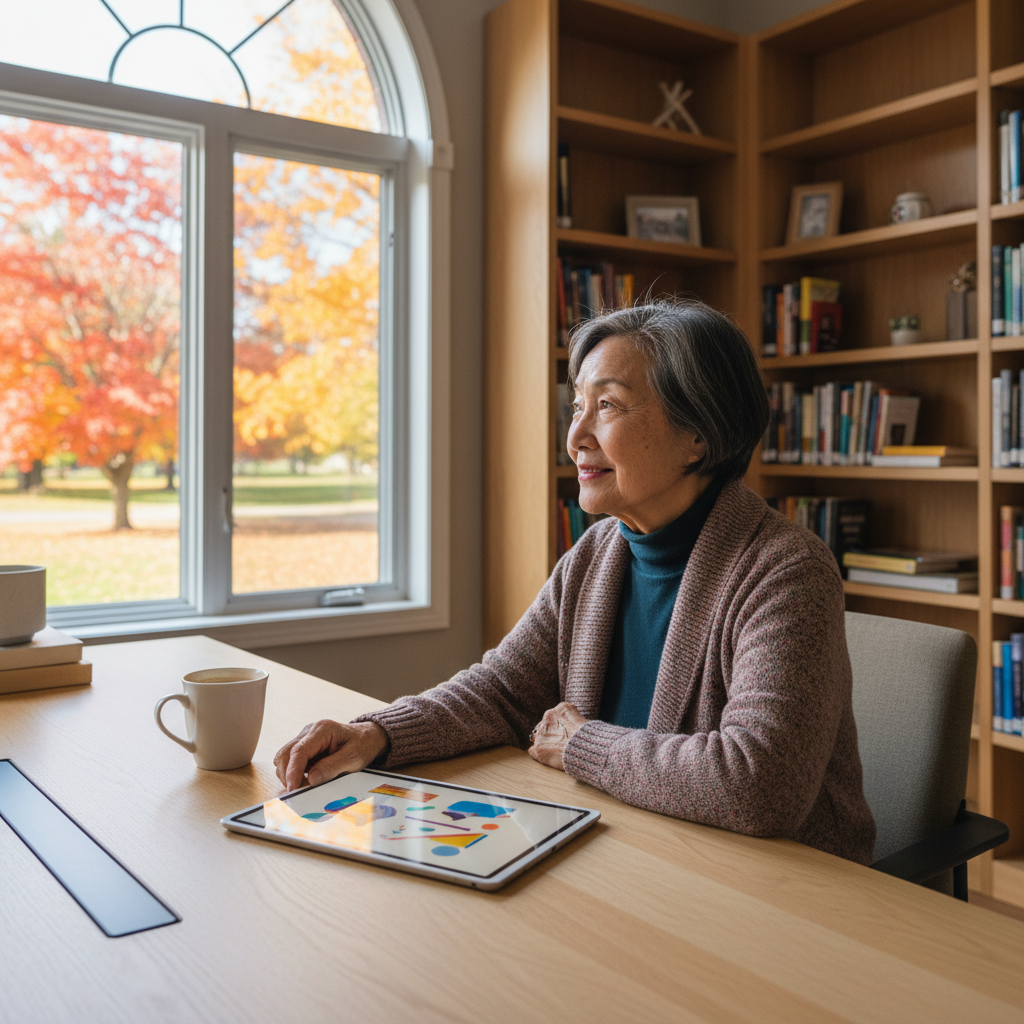
The Retirement Skills Revolution
The traditional retirement model — full stop at 65, transition to complete leisure — no longer fits how many Canadians want to age. According to AARP, 72% of Americans aged 55+ want to continue working in some capacity. Canadians show similar trends.
Common retirement-phase career transitions include:
1. Credential upgrades for consulting
A retired engineer or accountant might pursue additional certifications (PMP, CPA continuation, specialized credentials) to launch a consulting practice.
2. Teaching and mentorship certifications
Retirees with deep expertise often transition to teaching — either at community colleges, online platforms, or private instruction. Certifications (teaching credentials, adult education diplomas, platform-specific certifications) cost $2,000–$15,000.
3. Small business and entrepreneurship
A retiree might launch a coaching business, consulting firm, craft business, or service business. Startup costs and certifications (business administration, niche certifications, etc.) can reach $20,000–$50,000.
4. Digital skills and technology training
Learning new platforms (Shopify, WordPress, digital marketing, social media management, coding) opens freelance opportunities. Online courses range from $500–$5,000.
5. Creative certifications and apprenticeships
Art, writing, music, design — retirees often pursue formal study. Workshops, certificates, degree programs can cost $5,000–$30,000.
6. Healthcare and wellness certifications
Personal training, yoga teaching, nutrition counseling, life coaching — retirees often train to help others. Certifications run $2,000–$15,000.
The barrier to these transitions isn't ability or interest — it's cash flow. A retiree living on fixed income can't afford $10,000 in training costs upfront. A reverse mortgage removes that barrier.
Real-World Scenario: Patricia's Teaching Transition
Patricia, 62, retired from corporate marketing after 35 years. She'd had a successful career, but felt unfulfilled — the work was disconnected from her values.
Patricia had always been passionate about personal finance for women. In retirement, she imagined teaching workshop and writing about financial literacy. But she'd never taught formally and lacked credentials.
Patricia's challenge:
- She had a pension ($32,000/year) and modest savings ($100,000)
- Teaching certification courses cost $8,000–$12,000
- She couldn't afford $10,000 upfront without depleting her safety net
- Banks wouldn't lend for "professional development"; it didn't fit traditional loan categories
- Her home was worth $550,000 with $200,000 in equity remaining (she'd taken out a HELOC years ago and partially paid it down)
Patricia's solution: Patricia obtained a $30,000 reverse mortgage against her available home equity, structured as a line of credit. She used it to:
- Complete a Teaching English as a Foreign Language (TEFL) certification ($4,500)
- Complete a personal finance coaching certification ($3,500)
- Fund her own workshop materials, website, and initial marketing ($5,000)
- Travel to teaching opportunities ($2,000)
- Reserve remaining balance ($15,000) for ongoing professional development
The outcome after 5 years:
Patricia's teaching and coaching now generate $18,000–$24,000/year in income. She's:
- Teaching financial literacy at community centers (paid workshops)
- Coaching women entrepreneurs on financial strategy
- Writing for financial blogs and publications
- Feeling purposeful and engaged in retirement
Her total retirement income: pension ($32,000) + teaching/coaching ($20,000) + interest on modest investments ($3,000) = approximately $55,000/year.
More importantly, she has professional identity, social connection, and intellectual engagement. The reverse mortgage was a catalyst for transformation, not a debt burden.
Career Transitions That Generate New Income
| Transition | Certification Cost | Typical Income Potential | Break-Even Timeline |
|---|---|---|---|
| Life coaching | $3,000–$8,000 | $50–$150/hour; $2,500–$5,000/month part-time | 1–2 years |
| Personal training | $2,000–$5,000 | $40–$80/hour; $2,000–$3,500/month | 1 year |
| Virtual assistant | $1,500–$3,500 | $20–$50/hour; $1,500–$3,000/month | 6 months–1 year |
| Bookkeeping/accounting | $4,000–$8,000 | $30–$75/hour; $2,000–$4,000/month | 1–2 years |
| Consulting (niche expertise) | $2,000–$10,000 | $100–$300/hour; $3,000–$8,000/month | 1 year |
| Writing/editing | $1,000–$5,000 | $25–$100/hour; $1,500–$4,000/month | 6–12 months |
| Online teaching | $500–$3,000 | $20–$80/hour; $1,000–$3,000/month | 3–6 months |
| Course creation | $5,000–$15,000 | $100–$500/month passive income | 12–24 months |
For many retirees, a modest skills certification creates meaningful part-time income that:
- Supplements fixed income
- Provides intellectual engagement
- Builds social connection
- Creates flexibility (work on your terms)
A $10,000 reverse mortgage investment that generates $15,000/year in new income breaks even in less than a year and continues yielding income for decades.
Funding Models: How to Use a Reverse Mortgage for Skills Training

Model 1: Lump-sum withdrawal
- Access $15,000–$30,000 as a single lump sum
- Use for upfront certification costs
- Repay (if needed) through generated income or natural home equity appreciation
Model 2: Line of credit draws
- Structure the reverse mortgage as a line of credit
- Draw funds as training progresses ($2,000 for first course, $3,000 for second, etc.)
- Only pay interest on amounts actually drawn
Model 3: Monthly stipend
- Arrange monthly reverse mortgage payments ($1,000–$2,000/month)
- Use funds to cover ongoing education costs
- Flexibility to stop drawing when training is complete
Model 4: Hybrid approach
- Initial lump sum for major certification ($10,000)
- Line of credit for ongoing professional development ($20,000 available)
- Repay from income generated once the career transition yields revenue
Most retirees find Model 2 (line of credit) most flexible because they only pay interest on funds actually used.
Why Traditional Lending Fails for Skills Training
Banks typically won't lend for "professional development" or "career training" because:
| Barrier | Reverse Mortgage Advantage |
|---|---|
| Risky investment (no collateral tied to training) | RM uses home as collateral (low risk to lender) |
| Unclear income projection (new career untested) | RM doesn't require income verification |
| Training isn't a "productive asset" (to banks) | RM doesn't care about asset; just home equity |
| Payoff timeline uncertain | RM has flexible repayment (no monthly requirement) |
A reverse mortgage is the only financing tool that lets retirees invest in themselves without traditional credit risk assessment.
Tax and Benefit Implications
According to CRA guidelines, reverse mortgage funds have favorable tax treatment:
Reverse mortgage proceeds:
- Tax-free — not considered income
- No impact on OAS/GIS — funds don't count toward income thresholds
- Investment income from training (once you generate it) is subject to normal tax treatment
Income from new skills:
- Self-employment income is taxable; must report on tax return
- Expenses are deductible — certification costs, materials, website, marketing
- CPP considerations — self-employment income builds additional CPP contributions
Practical example:
If Patricia generates $20,000/year from teaching, and her certification and marketing costs total $5,000, her taxable self-employment income is $15,000. She pays tax on that, but also builds CPP credits toward increased retirement income after age 65.
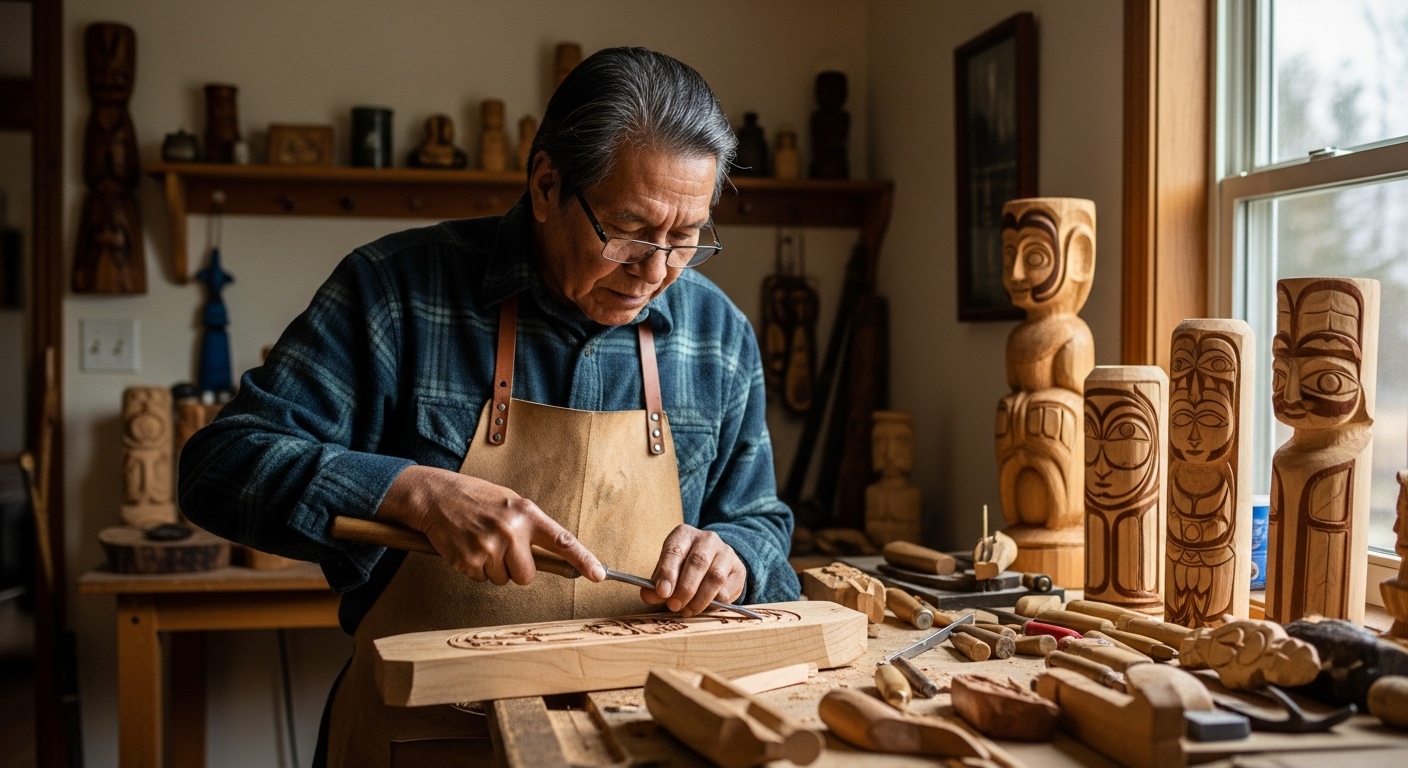
According to Statistics Canada, Canadians aged 65+ who continue work or skill development report 40% higher life satisfaction and significantly better health outcomes than those who fully retire and disengage.
When Skills Training Funding Makes Sense
✓ You've identified a skill or credential that interests you ✓ You can realistically expect income from the new skill (coaching, consulting, teaching) ✓ You have time to build the new career (you're 55–70, with 10–15 years of earning potential) ✓ You have genuine passion for the field (not just chasing income) ✓ You own a home with available equity ✓ You're willing to invest in yourself and take entrepreneurial risk ✓ You view this as fulfillment and engagement, not just financial necessity
Frequently Asked Questions
What if I train for something but don't end up generating income?
Then you've funded personal enrichment and learning, which has substantial value beyond economics. The reverse mortgage was an investment in yourself and your intellectual engagement — not a failed business venture.
Can I be on CPP while self-employed from training?
Yes. CPP has no earnings cap, and self-employment income actually builds additional CPP credits, potentially increasing your benefits after age 65.
What if my health declines and I can't pursue the new career?
The reverse mortgage remains against your home regardless. If you don't generate income, the balance compounds, but that's part of the risk. However, many retirees pursue skills training because it keeps them engaged and healthier longer.
How much should I borrow for training?
A practical guideline: borrow only what you can realistically repay (or offset) within 2–3 years through generated income. This keeps the reverse mortgage balance under control and prevents excessive compounding.
Next Steps: Investing in Your Retirement Growth
- Identify your passion — what skill or knowledge have you always wanted to develop?
- Research certifications — what's available, what does it cost, what's the time commitment?
- Project income potential — be realistic about whether your new skill can generate revenue
- Get a home appraisal — understand how much you can borrow
- Meet with Rick Sekhon — discuss reverse mortgage options for skills training
- Consult an accountant — understand tax implications of self-employment income
Retirement isn't the end of your productive life — it's a chance to align your work with your values and passions. A reverse mortgage can fund that transformation.
Ready to Learn More?
Get the free Ontario Reverse Mortgage Guide and find out exactly how much you could unlock from your home.
Get My Free Guide →Related Articles
Reverse Mortgage for Active Retirement (Age 55–65): Funding Travel and Lifestyle
Early retirees (55–65) face a unique challenge: long lifespan, high lifestyle costs, portfolio longevity. Learn how a reverse mortgage can fund active retirement adventures without portfolio depletion.
Read →Reverse Mortgage for Self-Employed Seniors in Ontario
Self-employed in Ontario and need retirement income? See why a reverse mortgage requires no income verification, T4s, or corporate financials.
Read →Retirement Budget Planning with a Reverse Mortgage in Canada
Master retirement budget planning with a reverse mortgage in Canada. Learn how to integrate home equity into your income plan for a secure retirement.
Read →