
She Almost Sold Her Home of 40 Years — A Reverse Mortgage Saved It
A composite story of an Ontario senior who found a better path than selling her family home. Real numbers, real lessons, and a guide for similar situations.
"My children kept saying just sell the house — but I couldn't imagine leaving." For Eleanor (a composite character based on common client experiences), selling the Scarborough home she had raised her family in wasn't just a financial decision — it was the end of a life. When her husband passed and her pension income fell short, selling felt inevitable. Then she discovered there was another way.
This article presents a composite scenario for educational purposes. All characters and specific details are illustrative. This does not constitute financial advice.
Eleanor's Situation
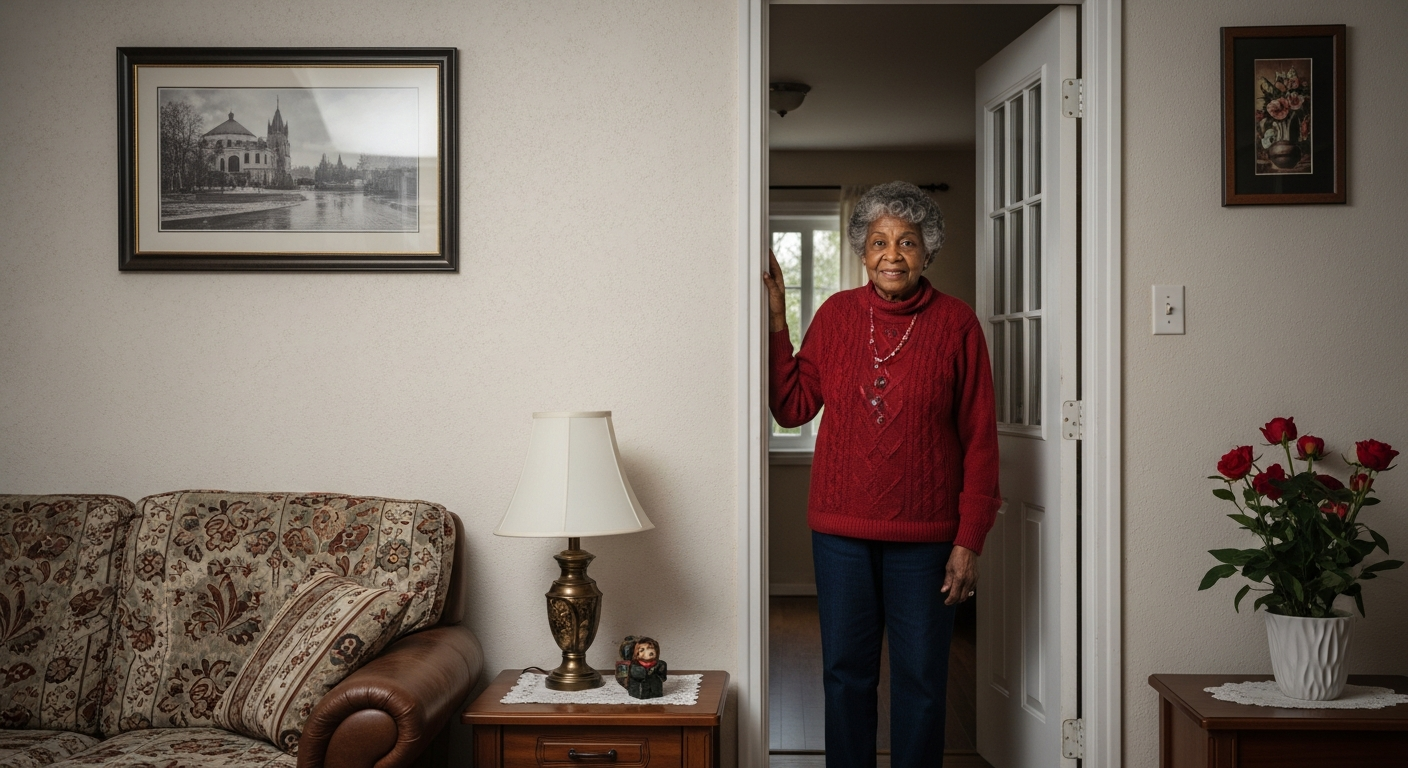
Eleanor is 74. She lives alone in the Scarborough home she bought with her husband in 1984 — four bedrooms, a garden she has tended for decades, and a neighbourhood where she knows her neighbours by name.
When her husband Robert passed three years ago, Eleanor's household income fell from approximately $5,200/month to $2,600/month. Her expenses — property tax, utilities, insurance, food, car, prescriptions — were running about $2,900/month. The gap was $300/month, and it was growing as healthcare costs increased.
Eleanor had $55,000 in credit card and line of credit debt that Robert had carried, which had become her responsibility. The minimum payments alone were eating $900/month of her already-strained budget.
Her children — David in Vancouver and Sarah in Mississauga — had a clear position: sell the house, clear the debt, move into something smaller.
"The numbers make sense," David told her. "You can buy a condo for $550,000 and invest the rest."
Eleanor didn't argue. She just cried.
What the "Numbers Made Sense" Scenario Actually Looked Like
Before Eleanor made any decision, her estate lawyer suggested she speak with Rick Sekhon Reverse Mortgages. She agreed, not expecting much.
Rick laid out the downsizing math:
| Downsizing Financial Summary | Amount |
|---|---|
| Estimated current home value | $1,050,000 |
| Real estate commission (4%) + HST | ~$47,460 |
| Legal fees, staging, movers | ~$18,000 |
| New condo purchase price | $580,000 |
| Ontario land transfer tax (condo) | ~$8,475 |
| Total transaction friction | ~$73,935 |
| Net proceeds after condo purchase | ~$396,065 |
| Debt to be paid off from proceeds | −$55,000 |
| Investable proceeds | ~$341,065 |
| Monthly income from invested proceeds (4% drawdown) | ~$1,137/month |
| Monthly condo fees | −$950/month |
| Net monthly cash flow improvement from downsizing | ~$187/month |
David had been right that the numbers made sense — but the improvement was not dramatic. Eleanor would give up her home of 40 years for an extra $187/month in net cash flow improvement. And she would still face increasing healthcare costs, loss of her garden, her neighbourhood, her independence.
What the Reverse Mortgage Scenario Looked Like
Rick ran the reverse mortgage numbers:
| Eleanor's Reverse Mortgage | Amount |
|---|---|
| Home value | $1,050,000 |
| Reverse mortgage at 45% LTV (age 74) | $472,500 |
| Used to clear all debts | −$55,000 |
| Remaining available to Eleanor | $417,500 |
| Set aside as income reserve ($1,500/month for 15 years) | $270,000 |
| Additional lump sum for home improvements | $147,500 |
| Monthly mortgage payment required | $0 |
| Monthly income supplemented from draws | +$1,500/month |
| Total monthly cash flow improvement | ~$1,500/month |
The reverse mortgage improved Eleanor's monthly cash flow by $1,500 per month — not $187. She stayed in her home. Her debts were cleared. And she had funds for the bathroom accessibility renovation her doctor had recommended.
What Happened
Eleanor applied for a reverse mortgage through CHIP (HomeEquity Bank). The process took 38 days. Her lawyer, who had also handled Robert's estate, conducted the independent legal advice session and reviewed every document with her. Sarah attended by video call.
Eleanor used the proceeds to:
- Clear the $55,000 in debt entirely (credit cards and LOC)
- Pay for a $28,000 bathroom renovation with grab bars, walk-in shower, and improved lighting
- Establish a $270,000 reserve in a savings account, from which she draws $1,500/month
- Keep $120,000 as an emergency reserve
Three years later, she is still in her Scarborough home. She grows tomatoes and garlic in the same garden. Her granddaughter visits on weekends.
The Lessons
| Lesson | Application |
|---|---|
| "The numbers make sense" isn't the whole story | Non-financial quality-of-life factors are real and legitimate inputs to any major decision |
| Downsizing costs are frequently underestimated | $73,935 in transaction friction significantly erodes the "equity unlocked" |
| Monthly cash flow is the right comparison metric | Not "total equity released" — but actual monthly impact |
| Reverse mortgage income supplement exceeds downsizing | In Eleanor's case, by a factor of 8 ($1,500 vs $187) |
| Family members may have good intentions but limited information | David was trying to help; he just hadn't run the full numbers |
Better Outcome vs Eleanor's Initial Plan
| Factor | Sell and Downsize | Reverse Mortgage |
|---|---|---|
| Stays in family home | No | Yes |
| Monthly cash flow improvement | ~$187/month | ~$1,500/month |
| Transaction costs | ~$73,935 lost | ~$3,000 (setup costs) |
| Debt cleared | Yes | Yes |
| Emergency reserve maintained | $341,065 (invested) | $120,000 (in savings) |
| Monthly condo fees | ~$950/month | $0 |
| Connection to neighbourhood and community | Lost | Maintained |
| Emotional cost | Very high | Low |
The Reverse Mortgage Balance Over Time
It would be dishonest to omit the other side of the ledger. Eleanor's reverse mortgage balance will grow over time:
| Year | Outstanding Balance | Projected Home Value | Remaining Equity |
|---|---|---|---|
| Now | $472,500 | $1,050,000 | $577,500 |
| Year 5 | ~$670,000 | ~$1,278,000 | ~$608,000 |
| Year 10 | ~$949,000 | ~$1,556,000 | ~$607,000 |
| Year 15 | ~$1,345,000 | ~$1,894,000 | ~$549,000 |
Assumptions: 7% compound interest on reverse mortgage; 4% annual home appreciation.
At year 15, there is still approximately $549,000 in remaining equity for Eleanor's estate — significantly more than the $341,065 investable amount she would have had from downsizing (which itself would have been depleted by 15 years of drawdowns). The No-Negative-Equity Guarantee protects the estate even if market conditions worsen.
The balance is real and growing. But in Eleanor's situation — where the alternative was a life she didn't want and a cash flow improvement of $187/month — the compounding balance is the price of a decision that was right for her.
How to Apply This to Your Situation
Eleanor's story is a composite, but the financial structure it illustrates is real. Before any decision to sell or downsize because "the numbers make sense," run the actual comparison with a qualified advisor:
- What are the full transaction costs of selling and buying something smaller?
- What is the actual monthly cash flow improvement after condo fees and invested proceeds drawdown?
- What would a reverse mortgage generate in monthly income improvement instead?
- What is the long-term balance growth of the reverse mortgage vs the depletion of invested downsizing proceeds?
- What is the non-financial cost of leaving the home?
Rick Sekhon Reverse Mortgages runs this comparison at no cost for every client considering their options. The goal is to help you make the decision that is genuinely right for you — not to sell a product.
FAQ
Is Eleanor's story typical of reverse mortgage borrowers? Eleanor's scenario — a widow facing a cash flow gap who is urged by family to downsize — is very common. The specific numbers differ, but the pattern of underestimated downsizing costs and overestimated cash flow improvement from selling is frequent. The reverse mortgage often provides substantially better monthly cash flow while allowing the homeowner to stay in their home.
What would Eleanor's situation look like if she had needed to move to long-term care? If Eleanor required long-term care and permanently left the home, the reverse mortgage would become due within 6–12 months. The estate would sell the home, repay the balance (~$472,500 plus accrued interest), and retain the remaining equity. This is not a catastrophic outcome — it is simply how the product works.
What if Eleanor's home value decreases? The No-Negative-Equity Guarantee protects Eleanor's estate. Even if the home value dropped significantly, the estate would never owe more than the home's fair market value at repayment. The compounding balance would be capped at the home's value.
Could Eleanor have gotten a better deal with Equitable Bank instead of CHIP? Possibly — Equitable Bank's lower setup fee ($995 vs $1,795) and potentially lower rate would have reduced the upfront and ongoing cost. Rick Sekhon Reverse Mortgages would present multiple lender options for comparison before any decision.
Speak to a licensed mortgage professional. Independent legal advice is required before closing a reverse mortgage in Ontario.
Get your free Ontario Reverse Mortgage Guide →
This content is for illustrative purposes only. Rates may vary. Call Rick Sekhon for the best rates and more information.
Ready to Learn More?
Get the free Ontario Reverse Mortgage Guide and find out exactly how much you could unlock from your home.
Get My Free Guide →Related Articles
Reverse Mortgage vs Downsizing: Which Is Right for You?
Compare reverse mortgages and downsizing as strategies to access home equity. Explore pros, cons, and scenarios for each option.
Read →Reverse Mortgage for Debt Consolidation in Ontario: Complete Guide
How Ontario seniors use a reverse mortgage to eliminate high-interest debt, stop monthly payments, and restore cash flow in retirement. Real numbers included.
Read →I Regret My Reverse Mortgage: Lessons and Exit Strategies
Honest look at why some Canadians regret their reverse mortgage, the warning signs to watch for, and practical exit strategies if you are in a situation that isn't working.
Read →