
Reverse Mortgage for RV and Travel: Fund Your Retirement Adventures
Use a reverse mortgage to buy an RV or fund travel adventures in retirement. Explore Canada without monthly payments or debt stress.
"I want to buy an RV and travel across Canada in retirement, but a $40,000–$80,000 purchase feels financially out of reach on a fixed income—how can I make this work?" Many Ontario retirees dream of RV travel—freedom, flexibility, and the ability to explore at your own pace—but hesitate due to the upfront cost. A reverse mortgage can unlock the funds to purchase an RV without monthly payments, allowing you to fund your retirement adventures while maintaining financial security. With the flexibility of a line of credit, you can also cover fuel, campground fees, and travel expenses throughout your retirement.
This article is for educational purposes only and does not constitute financial advice.
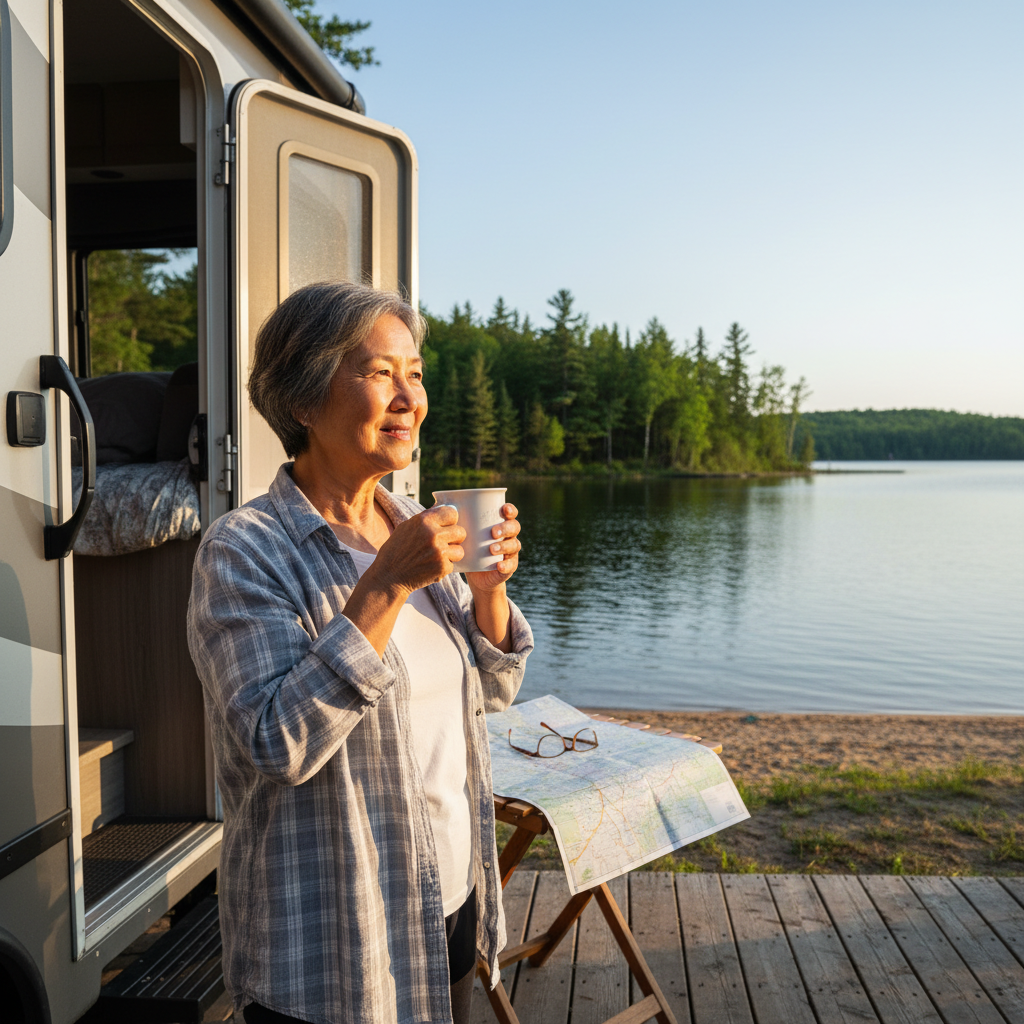
Why RV Travel Matters in Retirement
RV ownership and travel provide:
- Freedom and flexibility: Travel on your schedule without flight delays or hotel bookings
- Companionship: Travel with spouse, invite family, or join RV communities
- Independence: Maintain control over your itinerary and pace
- Cost savings: RV camping cheaper than hotels; cook your own meals
- Adventure: Explore national parks, small towns, and natural beauty across Canada
- Active retirement: RV travel keeps you engaged and moving in your 70s+
- Change of scenery: Combats seasonal depression and isolation
Many Ontario retirees report that RV travel was their best retirement investment—not for financial return, but for health, happiness, and meaningful experience.
RV Costs and Travel Budget Planning
RV Purchase Prices (Used and New, Ontario Market)
| RV Type | Size | Used Price | New Price | Best For |
|---|---|---|---|---|
| Travel Trailer | 18–28 ft | $15,000–$35,000 | $25,000–$50,000 | Couples; simple travel |
| Fifth Wheel | 28–40 ft | $25,000–$60,000 | $40,000–$75,000 | Families; long-term travel |
| Motorhome (Class C) | 26–32 ft | $30,000–$65,000 | $50,000–$100,000+ | Active travelers; full amenities |
| Motorhome (Class A) | 30–45 ft | $50,000–$150,000+ | $100,000–$300,000+ | Luxury travel; serious adventurers |
| Truck Camper | Compact | $10,000–$25,000 | $15,000–$40,000 | Off-road; rural exploration |
Annual RV Operating Costs
| Expense | Annual Cost (Estimated) |
|---|---|
| Fuel (12,000 miles/year) | $4,000–$7,000 (depends on MPG, fuel prices) |
| Campground fees | $2,000–$4,000 (free camping or $20–$50/night average) |
| Maintenance and repairs | $1,000–$2,000 (oil, tire rotation, repairs) |
| Insurance | $800–$1,500 (varies by RV value, age) |
| Registration and licensing | $200–$500 |
| Propane and utilities | $500–$1,000 (heating, cooking, hot water) |
| Miscellaneous (supplies, tools) | $500–$1,000 |
| TOTAL ANNUAL COST | $9,000–$16,500 |
Comparison: Similar travel via hotels would cost $40,000–$60,000 annually. RV travel saves money while providing more flexibility.
Real Ontario Stories: RV Adventures in Retirement
Story 1: Margaret and Paul's Western Canada Adventure
Margaret (70) and Paul (72) retired with modest pensions but dreamed of visiting the Canadian Rockies, national parks, and Pacific coast. They used a reverse mortgage to:
- Purchase used Class C motorhome: $45,000
- Initial setup (awnings, hitch, safety equipment): $3,000
- First-year travel fund (fuel, campgrounds, misc): $10,000
- Total reverse mortgage draw: $58,000
Margaret and Paul spent 5 months traveling the year they bought the RV, visiting Jasper, Lake Louise, and Vancouver. Now in their mid-70s, they travel 3–4 months annually, exploring new regions. The RV became the best investment in their retirement.
Story 2: David's Solo RV Retirement in Ontario
David, 68, retired from his job in Toronto with a modest pension. He purchased a compact travel trailer ($20,000) and outfitted it, funded through a reverse mortgage ($25,000 total). David:
- Travels 6 months annually (winter in Florida, summer in Ontario)
- Camps at provincial parks and private campgrounds
- Makes friends through RV communities and trail activities
- Maintains low overall costs ($600–$800/month travel + utilities)
David reports that RV travel gave him a second life in retirement—adventure, social connection, and purpose beyond his corporate career.
Funding an RV Through Reverse Mortgage: Step-by-Step
Step 1: Assess Your Travel Goals
Consider what you want to do:
- Timeline: How long will you travel? (2 weeks/year vs. 6 months/year?)
- Distance: Local Ontario travel vs. cross-Canada vs. USA/Mexico?
- Comfort level: Luxury motorhome vs. basic travel trailer?
- Companions: Solo, couples, multi-generational travel?
- Activities: Camping, hiking, visiting family, exploring cities?
Step 2: Research RV Options
Visit local RV dealers and private sellers:
- Tour different RV types and sizes
- Test drive motorhomes if buying new
- Understand layouts and amenities
- Get insurance quotes for different models
- Research reliability and reviews
Step 3: Calculate Total Investment
Include:
- RV purchase price (used: less expensive, but more maintenance risk)
- Initial setup costs: Hitch, awning, safety equipment, interior upgrades ($2,000–$5,000)
- First-year travel budget: Fuel, campgrounds, food, activities ($8,000–$15,000)
- Registration and insurance: $1,000–$1,500 first year
- Emergency reserve: 10–15% buffer for repairs, unexpected costs
Step 4: Determine Reverse Mortgage Need
Add up:
- RV purchase
- Setup and equipment
- 1–2 years of travel funding (conservative estimate)
- Maintenance reserve
Example:
- RV purchase: $40,000
- Setup and equipment: $3,000
- First two years travel: $16,000 (annual ÷ 2 years)
- Maintenance reserve: $3,000
- Total reverse mortgage needed: $62,000
Step 5: Apply for Reverse Mortgage
Work with Rick Sekhon Reverse Mortgages or lenders like CHIP, Equitable Bank, and Home Trust to:
- Assess home equity and borrowing capacity
- Discuss lump sum vs. line of credit (LOC) option
- Recommendation: LOC option lets you draw annually for ongoing travel expenses
- Understand repayment terms (no monthly payments; repay when you sell, move, or pass away)
Step 6: Purchase RV and Begin Travel
Once funded:
- Purchase RV (new or used, depending on budget)
- Complete setup and modifications
- Get insurance and registration
- Take your first trip!
Step 7: Manage Ongoing Expenses
With a line of credit option:
- Budget annual travel costs ($9,000–$15,000)
- Draw funds quarterly or annually as needed
- Track expenses and adjust as you travel
- Interest accrues only on funds drawn
RV Travel Budget Planning for Fixed-Income Retirees
Conservative Annual Travel Budget (3–4 months traveling)
- Fuel: $2,500–$3,500
- Campgrounds (50 nights, $25/night average): $1,250
- Food and dining: $2,000
- Activities and attraction fees: $1,000
- Maintenance and repairs: $1,000
- Propane and utilities: $500
- Total: $8,250–$9,250/year
Moderate Annual Travel Budget (5–6 months traveling)
- Fuel: $4,000–$5,500
- Campgrounds (100 nights): $2,500
- Food and dining: $3,000
- Activities: $1,500
- Maintenance: $1,500
- Propane and utilities: $1,000
- Total: $13,500–$15,000/year
Luxury Annual Travel Budget (9+ months traveling)
- Fuel: $6,000–$8,000
- Campgrounds (150+ nights): $3,500–$4,500
- Food and dining: $5,000
- Activities: $2,000
- Maintenance: $2,000
- Propane and utilities: $1,500
- Total: $20,000–$23,000/year
RV Travel Tips for Ontario Seniors
Safety and Accessibility
- Motorhomes easier than trailers: No hitching/unhitching; more independent
- Ground-level entry: Crucial for mobility limitations
- Handholds and railings: Safety features for balance and movement
- Backup camera and sensors: Reduce accident risk when reversing
- Medical access: Travel with prescriptions; know locations of hospitals
Cost-Saving Strategies
- Free camping: Parks Canada, provincial parks, and private land (ask permission)
- Campground discounts: Passport America, RV clubs reduce costs 50%
- Fuel rewards: Use credit cards with gas rewards
- Seasonal travel: Avoid peak season crowds (higher prices)
- Volunteer opportunities: Some parks offer free camping for volunteer work
Social and Community Aspects
- RV clubs: Snowbird clubs, Good Sam, Camping World—provide discounts and community
- Rallies and meetups: RV groups organize travel companions and group activities
- Family visits: RV travel makes visiting geographically distant family easier
- New friendships: RV communities are social; many friendships form campground-side
Tax and Legal Considerations
Principal Residence Exemption
- Your home remains your principal residence while RVing (Ontario/Canada property law)
- No capital gains tax on home sale even while using RV
- Maintain principal residence status by returning annually or maintaining active residency
RV as Secondary Residence
If RV becomes your primary residence:
- Consult a tax accountant (provincial residency implications)
- Notify your province of residence change
- May affect healthcare coverage
- Insurance and vehicle registration requirements change
Cross-Border Travel (USA)
If traveling to USA:
- Passport: Valid passport required
- RV Insurance: Ensure coverage extends to USA; notify insurer
- Vehicle registration: Confirm RV is registered and eligible for cross-border travel
- Customs: Know rules for returning to Canada
According to Service Canada, traveling abroad doesn't affect OAS/CPP eligibility if you maintain Canadian residency.
Comparing Travel Funding Options
| Funding Method | Cost | Flexibility | Best For |
|---|---|---|---|
| Reverse Mortgage | Interest (no monthly payment) | High (line of credit) | Homeowners 55+ wanting flexibility |
| RV Loan | Monthly payments (5–7 years) | Moderate | Those with good income |
| Personal Loan | Higher interest rates | Moderate | Younger retirees |
| Savings | None | Low (depletes capital) | Wealthy seniors |
| Rental/Tours | $3,000–$5,000/week | Very high | Short-term trial travelers |
The Bottom Line: Your Retirement Adventure Awaits
RV travel represents one of retirement's great joys—freedom, exploration, and active engagement. For many Ontario retirees, the barrier isn't desire but funding. A reverse mortgage removes that barrier, allowing you to purchase an RV and fund years of travel without monthly payments or debt burden.
Key takeaway: If you've dreamed of RV travel across Canada but thought the cost was prohibitive, a reverse mortgage can fund an RV purchase and travel expenses—enabling you to explore, adventure, and live your retirement dreams for 10, 15, or 20+ years.
Frequently Asked Questions
What's the best RV for seniors on a budget?
Used Class C motorhomes ($30,000–$50,000) offer good balance of cost, comfort, and manageability. Travel trailers ($15,000–$35,000) are cheaper but require towing capacity. Test driving before purchasing is essential.
Can I sell my RV if I change my mind after two years?
Yes. RVs depreciate 15–20% annually when new, then stabilize. If you buy used, resale value stays relatively stable. You can sell the RV and use proceeds to repay part of your reverse mortgage.
What if I need to stop traveling due to health issues?
The RV can be sold, and proceeds repay your reverse mortgage. Alternatively, you can rent it out (some RV owners generate $2,000–$4,000/month from rentals). You maintain flexibility.
Can I travel internationally (Mexico, Central America) in my RV?
Yes, with proper documentation (passport, vehicle registration, RV insurance). Many Canadians winter in Mexico. Budget extra for fuel, insurance, and different camping standards. Plan ahead.
Is RV travel realistic if I live alone and have mobility limitations?
Yes, with careful planning. Motorhomes are easier than trailers (no hitching). Smaller RVs are easier to navigate. Some seniors travel with a companion or friend to share driving and support.
Do I need a special driver's license to drive a motorhome?
Depends on RV size and your province. Class A motorhomes (over 14,000 lbs) may require different licensing. Check Ontario requirements before purchasing.
Ready to Learn More?
Get the free Ontario Reverse Mortgage Guide and find out exactly how much you could unlock from your home.
Get My Free Guide →Related Articles
Reverse Mortgage for Active Retirement (Age 55–65): Funding Travel and Lifestyle
Early retirees (55–65) face a unique challenge: long lifespan, high lifestyle costs, portfolio longevity. Learn how a reverse mortgage can fund active retirement adventures without portfolio depletion.
Read →Retirement Budget Planning with a Reverse Mortgage in Canada
Master retirement budget planning with a reverse mortgage in Canada. Learn how to integrate home equity into your income plan for a secure retirement.
Read →Using a Reverse Mortgage to Fund Retirement Travel in Canada
Can you use a reverse mortgage to fund retirement travel in Canada? Learn how snowbirds and retirees access home equity for travel without monthly payments.
Read →