
Reverse Mortgage Declined for Property Type? Workarounds and Solutions
Your property type was declined for a reverse mortgage? Explore why lenders decline certain properties and practical workarounds to get approved in Ontario.
Your lender rejected your reverse mortgage application — not because of your age, income, or credit, but because of your property type. Maybe you own a condo in a non-eligible building, a co-op, a mobile home, or a multi-unit property. Property type rejections can feel arbitrary and frustrating. The good news: there are workarounds, and not all lenders apply the same criteria.

Why Lenders Decline Property Types
Reverse mortgage lenders have strict property criteria because they need to ensure they can recover their loan if your home is eventually sold. Certain property types create risks that lenders want to avoid.
Top property types that face rejection:
| Property Type | Why Lenders Decline | Rejection Rate |
|---|---|---|
| Condo (non-standard) | Condo fees too high; building reserve fund issues; co-ownership complexities | 20–40% |
| Co-op (housing co-operative) | Lender doesn't hold title; equity unclear; resale restrictions | 60–80% |
| Mobile/Manufactured home | Depreciation (not appreciation); title/ownership concerns; park lease issues | 50–70% |
| Multi-unit (duplex, triplex) | One unit owner-occupied, others rental; complexity increases | 30–50% |
| Leasehold property | Lease term issues; expiring leases reduce value; limited resale | 40–60% |
| Agricultural land | Appraisal complexity; limited resale market; zoning concerns | 50–70% |
| Heritage/designated properties | Renovation restrictions; specialized insurance; limited buyer pool | 30–50% |
These aren't automatic disqualifications — the data shows significant approval rates even for typically declined types. The issue is which lender you approach.
According to FSRAO (Financial Services Regulatory Authority of Ontario), some lenders are more conservative, while others specialize in non-standard properties. Applying to the wrong lender first (a conservative one) leads to rejection; trying a flexible lender leads to approval.
Specific Property Type Challenges and Fixes
Condo Rejections
Why lenders decline:
- Condo fees are too high (more than 30–35% of available borrowing amount)
- Building has reserve fund deficiencies (poor maintenance history)
- Condo corporation has too many units; complex governance
Workarounds:
- Shop different lenders. CHIP and Bloom Financial are more flexible with condos than some competitors.
- Get a reserve fund review. If the building's reserve fund is healthy, provide documentation to address lender concerns.
- Negotiate condo fees. Some lenders will approve if you can document a condo fee reduction or special assessment freeze.
- Consider a smaller advance. If lender concerns are about fee-to-income ratio, accepting a lower borrowing amount may unlock approval.
Success rate with workarounds: 70–80% of condo rejections become approvals when proper documentation is provided or a different lender is approached.
Co-op Rejections
Why lenders decline:
- Co-ops involve proprietary leases, not property titles
- Lender doesn't have direct claim to the property
- Resale market for co-op units is limited
Workarounds:
- Find a co-op-friendly lender. Home Trust and some brokers specialize in co-op reverse mortgages; mainline lenders (CHIP, Equitable) often decline.
- Provide co-op documentation. Get your co-op board to confirm your ownership, equity, and proprietary lease terms.
- Increase occupancy tenure. If you've lived in the co-op for 10+ years, stability documentation helps.
- Explore a personal loan instead. Some co-op members qualify for personal loans (not reverse mortgages) using their equity claim.
Success rate with workarounds: 40–50% of co-op rejections become approvals; if lender remains firm, Rick Sekhon can connect you with co-op specialists.
Mobile Home Rejections
Why lenders decline:
- Manufactured homes depreciate (not appreciate like real estate)
- Title is complex (home vs. land ownership unclear)
- Park lease terms vary (owner may lose right to occupy)
Workarounds:
- Own the land. If you own both the home and the underlying land (not renting park space), approval odds improve dramatically.
- Prove appreciation. If your mobile home is in a growing park and has appreciated, provide appraisal evidence.
- Get park lease terms. Provide documentation that the park lease extends 20+ years and is transferable.
- Explore HELOC instead. HELOCs are sometimes more flexible for mobile homes than reverse mortgages.
Success rate with workarounds: 30–40% of mobile home rejections become approvals; much depends on land ownership clarity.
Multi-Unit Property Rejections
Why lenders decline:
- Rental income complicates appraisal
- If you move or the property becomes fully rental, lender's security is compromised
- Legal complexity (tenant rights, leases, eviction issues)
Workarounds:
- Owner-occupy one unit clearly. Document that you permanently reside in one unit and have tenant lease for other(s).
- Provide rental documentation. Submit lease agreements, proof of rental income, and property tax assessment showing primary residence.
- Consider mortgaging only your unit. Some lenders will approve if you can legally subdivide the property.
- Get legal clarity. A lawyer can clarify your title and occupancy status; lender confidence increases with professional documentation.
Success rate with workarounds: 60–70% of multi-unit rejections become approvals with proper documentation.
Leasehold Rejections
Why lenders decline:
- Leases expiring soon reduce property value
- Lender can't enforce a claim beyond lease expiration
- Lease renewal costs are uncertain
Workarounds:
- Extend the lease. If your lease is expiring within 30–40 years, extending it increases lender comfort. (Lease extension costs $5,000–$15,000; still worthwhile if it unlocks a $100K+ reverse mortgage.)
- Provide lease renewal precedent. If similar units in your building have renewed leases, provide that documentation.
- Accept a lower advance. Some lenders will approve on a leasehold property if the advance is conservative (e.g., 30% instead of 45% of value).
- Explore shared ownership arrangements. In some cases, freeholders (ground leaseholders) can work with you; a lawyer can clarify options.
Success rate with workarounds: 50–60% of leasehold rejections become approvals; lease extension is key.
Real-World Workaround Success Stories
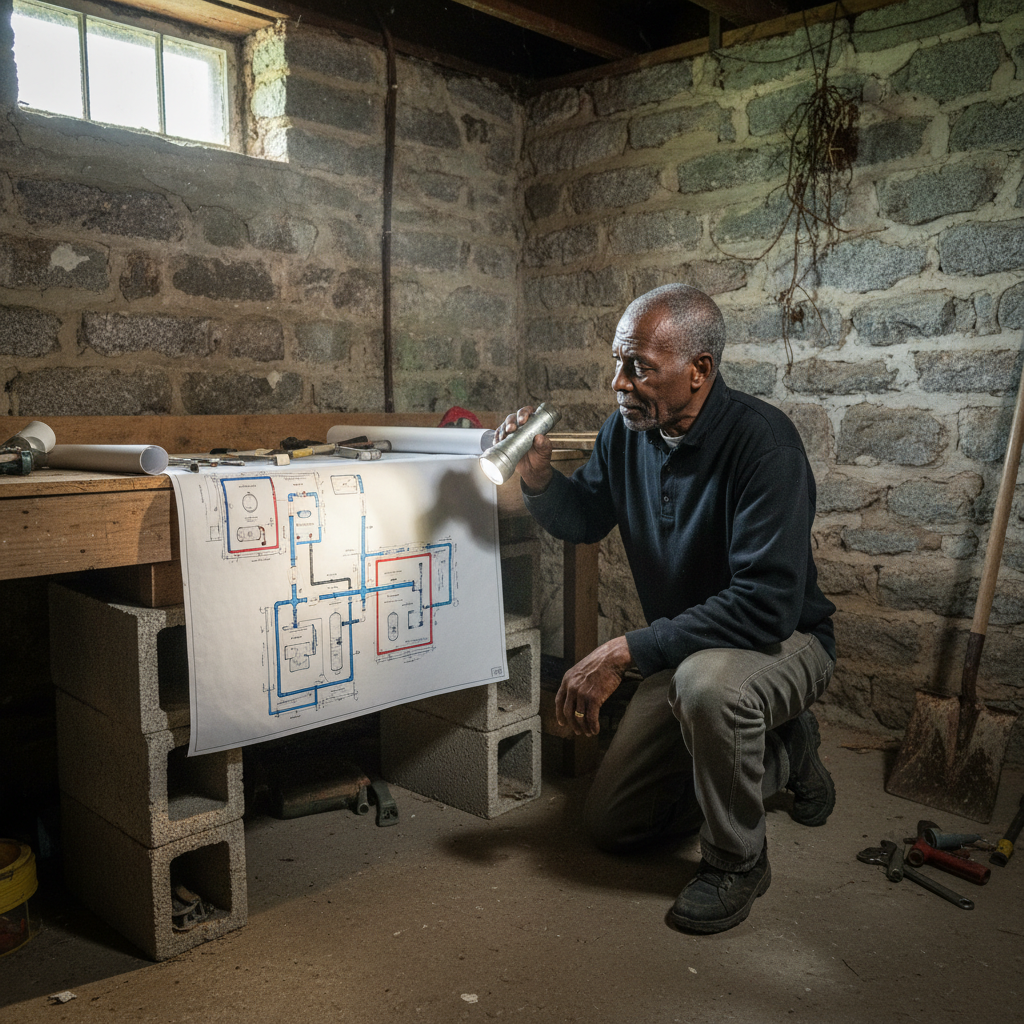
Maria's Condo Approval (After First Rejection)
Maria, 70, lives in a condo in downtown Toronto. Condo fees are $450/month. Her first application (with a conservative lender) was declined because fees exceeded the lender's 30% threshold relative to available borrowing.
Maria's workaround:
- Applied to Bloom Financial instead (known for condo flexibility)
- Provided 3 years of condo fee statements showing stability
- Accepted a slightly lower advance ($120,000 instead of $150,000) to reduce fee-to-borrowing ratio
- Result: Approved. Now accessing $120,000 for long-term care costs.
David's Co-op Solution
David, 68, lives in a Vancouver-based co-op (but was considering a move to Ontario, where he has a co-op eligibility issue). Traditional lenders declined; he contacted Rick Sekhon, who connected him with Home Trust, the co-op specialist. Home Trust approved a $90,000 reverse mortgage based on his proprietary lease and co-op equity.
James's Leasehold Turnaround
James, 72, owned a leasehold townhouse in London, Ontario with a 42-year lease remaining. One lender declined. A second lender proposed approval contingent on lease extension. James paid $8,000 to extend the lease to 95 years, then reapplied. Result: Approved for $140,000.
Application Strategy for "Problem" Property Types
If you have a property type that's commonly declined, use this strategy:
| Step | Action |
|---|---|
| 1. Get professional appraisal | A lender-approved appraiser will document why your property qualifies, not declines |
| 2. Gather supporting documentation | Condo: fee statements, reserve fund reports. Leasehold: lease terms. Mobile: land deed proof. Co-op: proprietary lease copy. |
| 3. Research lender-specific criteria | Different lenders have different thresholds. CHIP might decline; Bloom might approve. |
| 4. Apply to flexible lenders first | Start with lenders known for non-standard properties; if approved, you're done. If declined, try others. |
| 5. Consult a specialist broker | Rick Sekhon Reverse Mortgages knows which lenders accept which property types; skip the guesswork. |
| 6. Consider workarounds (lease extension, fee reduction, legal clarification) | Invest $5,000–$15,000 if it unlocks a $100K+ reverse mortgage. |
Lender-Specific Flexibility (General Patterns)
| Lender | Condo-Friendly | Co-op-Friendly | Mobile-Friendly | Multi-Unit-Friendly |
|---|---|---|---|---|
| CHIP | ✓ Yes | ✗ No | Limited | Limited |
| Equitable Bank | ✓ Yes | ✗ No | Limited | Limited |
| Bloom Financial | ✓ Yes (most flexible) | ✗ No | Limited | Moderate |
| Home Trust | ✓ Yes | ✓ Yes | Limited | Moderate |
| HomeEquity Bank | Moderate | ✗ No | Limited | Limited |
This is a general guide; apply to multiple lenders regardless because individual underwriters may vary from the pattern.
When to Pursue Legal or Financial Fixes
If your property is declined and workarounds aren't obvious, consider professional help:
| Situation | Action | Cost | Benefit |
|---|---|---|---|
| Lease expiring in 20–30 years | Hire lawyer to extend lease | $3,000–$8,000 | Unlocks reverse mortgage approval |
| Condo fees unclear or disputed | Get condo corporation records; hire accountant review | $1,000–$2,000 | Demonstrates fee legitimacy to lender |
| Co-op ownership unclear | Hire lawyer to document proprietary lease and equity claim | $1,500–$3,000 | Clarifies lender security position |
| Mobile home land ownership unclear | Clarify title with real estate lawyer | $1,000–$2,000 | Proves asset appreciation potential |
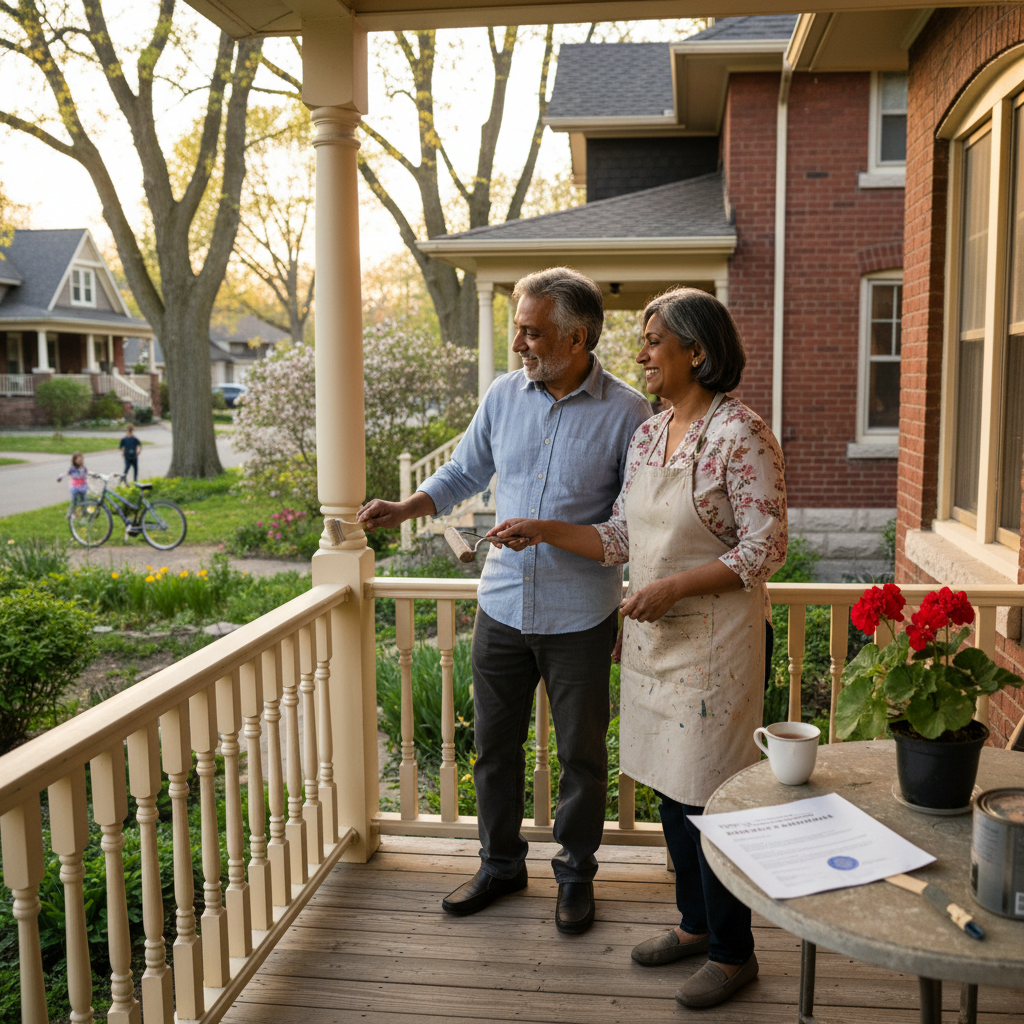
According to Ontario lawyers specializing in real estate, most property type declines can be overcome with proper documentation and the right lender. The issue is rarely the property itself; it's matching the property to a lender with appropriate appetite for that risk.
FAQ
If one lender declines my property type, do all lenders decline?
No. Different lenders have different criteria. A rejection from CHIP doesn't mean Home Trust will decline. Always apply to multiple lenders.
Should I disclose the first rejection to the next lender?
Yes, honesty is required. But frame it: "Lender A declined due to property type criteria; I'm seeking a lender with different thresholds." Most lenders expect this.
Is it worth spending $5,000–$10,000 on legal/financial fixes to unlock a reverse mortgage?
Yes, if the RM would provide $100,000+. Break-even is roughly $100K advance ÷ 10+ years = $10K/year benefit, easily justifying $5K–$10K upfront investment.
What if I own a property that's literally on a decline list (mobile home, co-op)?
You still have options. Shop lenders aggressively; consider workarounds; consult a specialist. 30–50% of "declined" property types are ultimately approved when the right approach is used.
Can a broker help with property type rejections?
Yes, significantly. A good broker knows which lenders accept which property types and can fast-track your application to a compatible lender. Rick Sekhon Reverse Mortgages specializes in non-standard properties.
If I extend my lease or fix a property issue, how long before I reapply?
Typically 30–90 days after the fix is completed and documented. Provide the updated documentation (new lease, revised condo report, etc.) to the lender.
Take Action
A property type rejection doesn't mean you can't get a reverse mortgage — it means you haven't found the right lender yet. Get a professional appraisal, gather supporting documentation, and talk with Rick Sekhon Reverse Mortgages about which lenders are most likely to approve your specific property type. Don't accept the first "no."
Ready to Learn More?
Get the free Ontario Reverse Mortgage Guide and find out exactly how much you could unlock from your home.
Get My Free Guide →Related Articles
Reverse Mortgage on a Condo in Ontario: Complete 2026 Guide
Learn about reverse mortgages on condos in Ontario, including eligibility requirements, special considerations, and fees involved.
Read →Reverse Mortgage Eligibility in Ontario: Complete 2026 Guide
Everything Ontario homeowners need to know about qualifying for a reverse mortgage in 2026. Covers age requirements, home equity, property types, and the application process.
Read →Reverse Mortgage Application Declined? What to Do Next in Ontario
Find out why a reverse mortgage application may be declined in Ontario, what your options are, and how to reapply or find an alternative solution for accessing home equity.
Read →