
Reverse Mortgage for Music Studio Equipment: Create Your Sound in Retirement
Fund a professional music studio setup in your Ontario home with a reverse mortgage. Record, compose, and teach music in retirement.
"I've always played music but never had a real studio to record or teach—is it too late to set one up?" Not at all. Retirement is the ideal time to pursue music seriously, whether recording your own compositions, teaching students, or collaborating with other musicians. A reverse mortgage can fund a professional home music studio—microphones, recording interfaces, soundproofing, instruments—allowing you to create, teach, and leave a lasting musical legacy. Here's how Ontario musicians are reclaiming their creative voice through home equity.
This article is for educational purposes only and does not constitute financial advice.
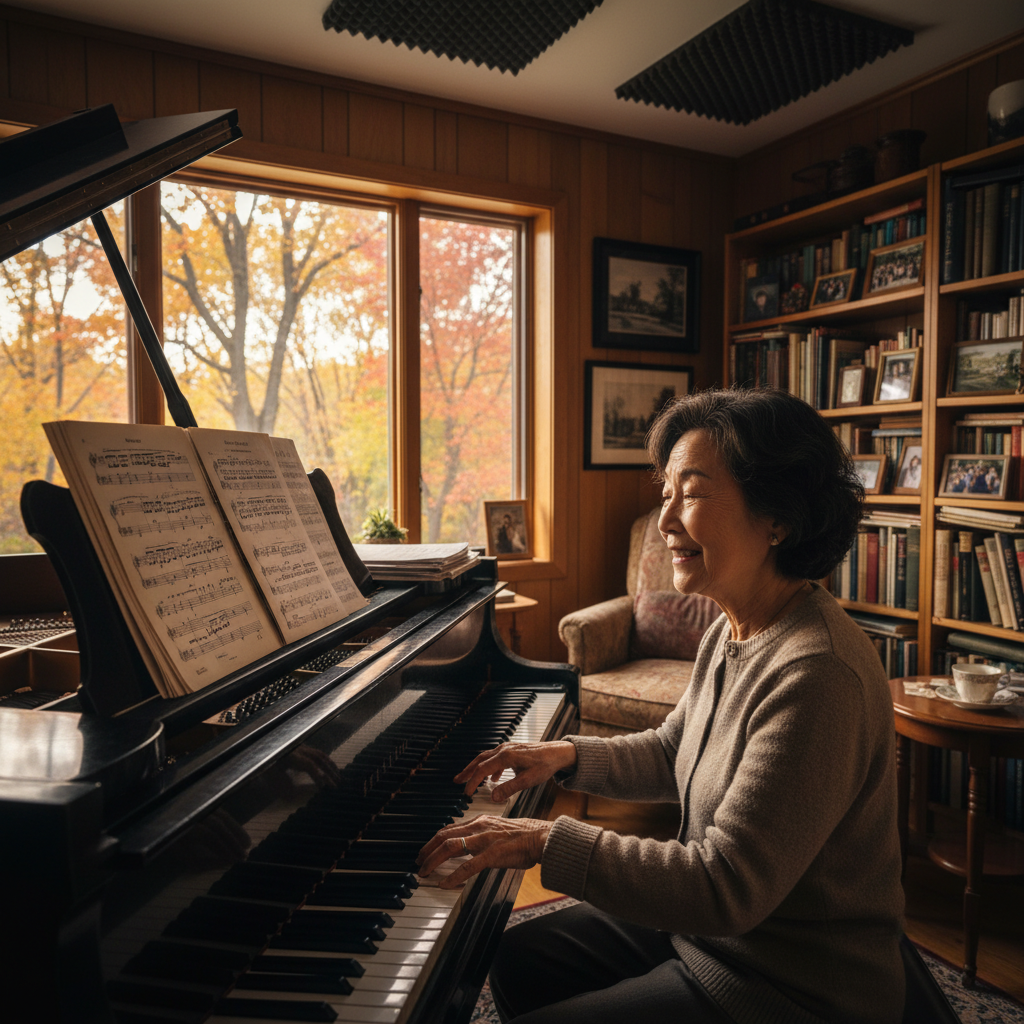
Why Home Music Studios Matter for Aging Musicians
A dedicated home studio offers:
- Creative freedom: Record whenever inspiration strikes, no studio rental costs
- Teaching opportunity: Private lessons in a professional environment (potential income)
- Collaboration: Connect with other musicians without travel burden
- Legacy creation: Record your compositions, performances, and musical knowledge
- Health benefits: Musical practice improves cognitive function and emotional wellbeing
- Community: Many musicians monetize recordings, online teaching, or modest music sales
Home recording technology has become remarkably affordable, eliminating the studio rental costs that once made amateur recording prohibitive.
Home Music Studio Costs by Setup Level
Basic Bedroom Studio ($1,500–$3,000)
- USB microphone ($150–$300)
- Audio interface ($100–$300)
- Headphones ($50–$150)
- Laptop/computer (existing)
- Recording software (free to $200)
- Pop filter and stand ($30–$100)
- XLR cables and adapters ($100–$200)
- Basic acoustic treatment ($400–$800)
Best for: Solo acoustic recording, podcasting, voice work
Intermediate Studio with Instruments ($4,000–$8,000)
Everything in Basic, plus:
- Condenser microphone ($300–$800)
- Mixing board ($200–$500)
- Studio monitors and headphones ($400–$1,000)
- Keyboard or MIDI controller ($400–$1,200)
- Guitar/bass amplifier ($300–$800)
- Acoustic panels and bass traps ($800–$1,500)
- Cables, stands, equipment racks ($300–$500)
Best for: Multi-instrument recording, lessons, small collaborations
Professional Studio with Soundproofing ($8,000–$20,000+)
Everything in Intermediate, plus:
- Professional microphone setup ($1,500–$3,000)
- Large mixing console ($1,000–$3,000)
- Isolation booth or soundproof room ($3,000–$10,000)
- Professional monitoring system ($2,000–$5,000)
- Drum kit or additional instruments ($2,000–$5,000)
- Professional recording software suite ($200–$1,000)
Best for: Serious musicians, teaching, professional-quality recordings
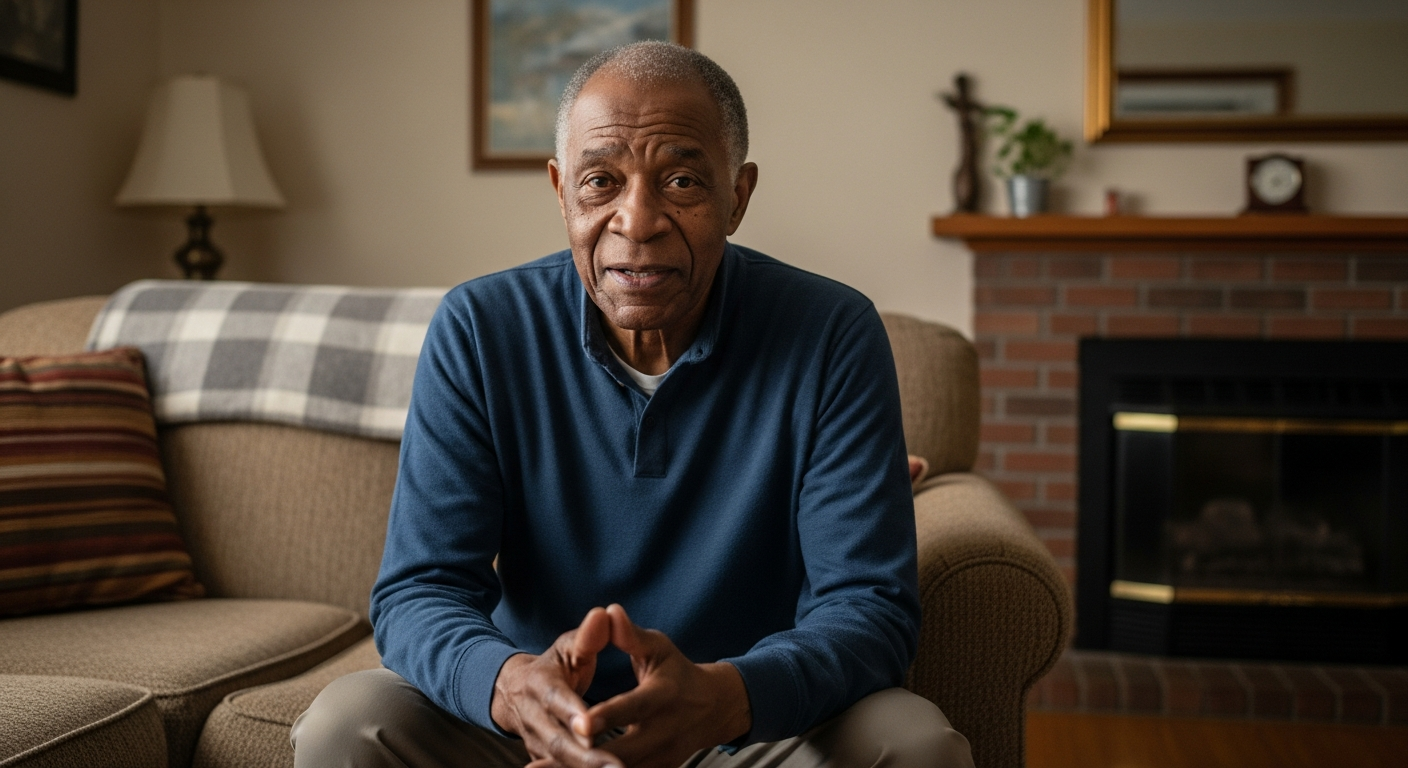
Real Ontario Stories: Musicians Recording in Retirement
Story 1: Robert's Jazz Trio Studio in Toronto
Robert, 70, retired from a corporate career but had played jazz piano since childhood. He wanted to record with friends—a jazz drummer and bassist who visited monthly. Using a reverse mortgage, Robert invested $6,500 in:
- Professional upright piano ($3,000—used, high quality)
- Microphone setup and recording interface ($1,500)
- Acoustic treatment for his basement ($1,200)
- Professional monitoring system ($800)
Within a year, Robert had recorded a 12-song album with his jazz trio. Today, the album streams on Spotify, and Robert teaches piano lessons to students who come to record in his studio.
Story 2: Maria's Songwriting Studio in Ottawa
Maria, 68, had written songs her entire life but never recorded them. Using a reverse mortgage, she funded:
- MIDI keyboard and production software ($2,000)
- Condenser microphone and audio interface ($1,200)
- Acoustic treatment and soundproofing ($1,800)
- Mixing/mastering course and equipment ($800)
Maria recorded 20 of her original songs over two years. Three were picked up by a streaming service, and she now earns royalties—modest but meaningful. More importantly, her songs exist as a legacy for her grandchildren.
Funding a Home Music Studio: Step-by-Step
Step 1: Assess Your Musical Goals
Clarify what your studio will do:
- Solo recording (voice, acoustic instruments)
- Multi-instrument recording (band, ensemble)
- Student lessons (teaching space requirements)
- Collaboration (space for visiting musicians)
- Professional-quality output vs. personal hobby quality
Step 2: Research Equipment Options
Visit local music stores and try equipment:
- Microphones (condenser vs. dynamic; different instruments need different mics)
- Audio interfaces (USB vs. professional; 2-channel vs. 8-channel)
- Studio monitors (active speakers; need to "hear" your recording accurately)
- Instruments you want to add or upgrade
Step 3: Get Professional Advice
Consider consulting:
- Local recording engineers (assess your space and recommend equipment)
- Music teachers in your discipline (what equipment would help teaching?)
- Other home recordists (real-world experience with equipment)
- Online music production communities (budget-conscious setup advice)
Step 4: Plan Your Space
Assess your home:
- Which room is quietest (fewest street/appliance noise)?
- Can you improve acoustics with rugs, panels, curtains?
- Is power/internet adequate?
- How will you treat for soundproofing or acoustic isolation?
- How will students or collaborators access the space?
Step 5: Calculate Total Investment
Add up:
- Equipment costs (from research step)
- Acoustic treatment and soundproofing
- Electrical upgrades (dedicated circuits, outlets)
- Room preparation (flooring, paint, climate control)
- Software licenses and learning resources
- Buffer for unexpected costs (15–20%)
Step 6: Apply for Reverse Mortgage
Contact Rick Sekhon Reverse Mortgages or work with CHIP, Equitable Bank, or Home Trust to:
- Determine your home equity and borrowing capacity
- Discuss funding timeline (lump sum vs. line of credit)
- Understand repayment (happens only when you sell, move, or pass away)
- Lock in interest rate and terms
Step 7: Set Up Your Studio
Work with professionals for:
- Electrical upgrades (ensuring safe, adequate power)
- Acoustic treatment installation
- Equipment setup and calibration
- Software configuration and testing
Step 8: Learn and Create
Use a portion of your reverse mortgage to:
- Take online recording production courses
- Work with a local engineer for guidance
- Attend workshops in your musical discipline
- Invest in ongoing learning and skill development
Home Studio Acoustic Considerations
Critical for Recording Quality
- Soundproofing: Reduces outside noise (traffic, HVAC, neighbors) — requires wall treatment, heavy doors
- Acoustic treatment: Manages room reflections and echo — requires panels, bass traps, diffusers
- Isolation: Separating recording booth from monitoring area (if recording others)
A fully soundproofed room can cost $5,000–$15,000. Less-expensive acoustic treatment ($800–$2,000) significantly improves recordings without full soundproofing.
Budget-Friendly Acoustic Solutions
- Heavy curtains and rugs (reduce reflections)
- DIY acoustic panels (fabric + fiberglass)
- Bass traps in corners (absorb low frequencies)
- Bookshelves (diffuse sound reflections)
- Door seals and weatherstripping (reduce air leakage)
Many home recordists achieve excellent results with modest acoustic treatment, especially for voice and acoustic instruments.
Recording Your Legacy: Musical Documentation
Recording Projects Worth Documenting
- Your original compositions: Document songs you've written but never recorded
- Family musical memories: Record family members singing, playing instruments
- Instructional content: Create tutorials or lessons in your discipline
- Musical history: Interview other musicians, document music community stories
- Performance recordings: Capture live performances or jam sessions
Many retiree musicians create 5–10 hour archives of their musical life—a gift for family and a legacy for future musicians.
Teaching and Potentially Monetizing Your Studio
Private Lesson Opportunities
A home studio legitimizes your teaching:
- Charge $30–$60/hour for private music lessons
- Record lesson progress and playback for student review
- Create instructional content (potentially monetized on YouTube)
- Host group lessons or workshops
Recording for Others
Some home studio owners:
- Record local bands (lower cost than commercial studios)
- Produce podcasts or audiobooks
- Create background music for content creators
- Offer mixing/mastering services
Income potential varies widely, but modest earnings ($200–$500/month) are realistic for part-time studio work.
Tax and Insurance Considerations
Home Insurance
Notify your insurance provider about:
- Expensive equipment added to your home
- Students visiting (if teaching lessons)
- Electrical upgrades made
- Potential liability if someone's injured during lessons
Many insurers offer modest discounts for home improvements that make the home safer.
Self-Employment Income
If you teach lessons or record other musicians:
- Income is self-employment income (report on taxes)
- You can deduct equipment, software, utilities (proportional)
- Consider incorporating if income exceeds $30,000/year
- Consult an accountant experienced with music professionals
Comparing Music Studio Funding Options
| Funding Method | Startup Cost | Ongoing Cost | Best For |
|---|---|---|---|
| Reverse Mortgage | $0 | Interest (no monthly payment) | Homeowners 55+ with equity |
| Commercial Studio Rental | $500–$1,500/month | Yes, ongoing | Short-term projects |
| Personal Loan | Low | Monthly payments | Younger retirees with income |
| HELOC | Low | Interest payments | Working retirees |
| Savings | None | None | Seniors with capital |
The Bottom Line: Your Music Deserves a Studio
Retirement is the perfect season for serious musical pursuit. A home studio transforms a spare room into a creative sanctuary where you can record, teach, collaborate, and leave a lasting musical legacy. A reverse mortgage makes this investment possible without monthly payments or income requirements.
Key takeaway: If you've always wanted to record your music, teach in a proper studio, or document your musical life as a legacy, a reverse mortgage can fund a professional home music studio—enabling you to create, share, and preserve your music for generations.
Frequently Asked Questions
Can I teach music lessons in my studio and use the income to offset reverse mortgage costs?
Absolutely. Income from teaching offsets your reverse mortgage expense dollar-for-dollar. Many music teachers earn $500–$2,000/month from studio lessons—meaningfully reducing your total reverse mortgage burden.
Should I buy new equipment or used?
Both have merit. For microphones and interfaces, used gear is often excellent (often 5–10 years old, well-maintained). For instruments, buying used from trusted musicians is safe. New equipment comes with warranty—important for ongoing reliability. Budget allocates 50/50 new and used, or buy new for core equipment and used for supplemental pieces.
What if I'm not a professional musician—can I still set up a home studio?
Absolutely. Home studios serve hobbyists, amateur musicians, songwriters, and serious practitioners equally. Your skill level doesn't determine your right to a studio—your desire to create and record does.
Do I need electrical upgrades for my studio?
Likely yes. Professional audio equipment performs best on dedicated circuits with quality power management. Budget $500–$1,500 for electrical upgrades (hiring a licensed electrician). This protects your equipment and prevents noise/hum issues.
Can I combine my music studio with other home uses (guest room, art studio)?
Yes. Many multi-purpose spaces work well. Consider daytime lessons, evening recording, weekend collaboration. If combining with art studio, ensure audio isolation (soundproofing) is in place to avoid noise conflict.
Ready to Learn More?
Get the free Ontario Reverse Mortgage Guide and find out exactly how much you could unlock from your home.
Get My Free Guide →Related Articles
Reverse Mortgage for Art Studio Setup: Fund Your Retirement Creative Space
Use a reverse mortgage to build an art studio or creative workspace in retirement. Turn your home into a studio for painting, pottery, or crafts.
Read →Fund Home Modifications to Age in Place: Ontario Guide
Discover how a reverse mortgage can finance accessibility upgrades, care services, and renovations to stay safely in your Ontario home as you age.
Read →Gift Home Equity to Your Family While Alive: The Living Legacy Strategy
Discover how to transfer home equity to adult children while you're alive using a reverse mortgage strategy in Ontario.
Read →