
Reverse Mortgage After Major Life Events: Divorce, Health Crisis, Job Loss
How to use a reverse mortgage strategically after major life disruptions. Financial recovery guide for Ontario seniors facing unexpected challenges.
"My life just changed dramatically. Can a reverse mortgage help me recover?" Life rarely follows the retirement plan. Job loss, divorce, serious illness, or unexpected family obligations can shatter your financial security overnight. A reverse mortgage can be a lifeline during these crises — but it requires careful thinking about whether it's solving the actual problem or just creating a new one.
This article is for educational purposes only and does not constitute financial advice.
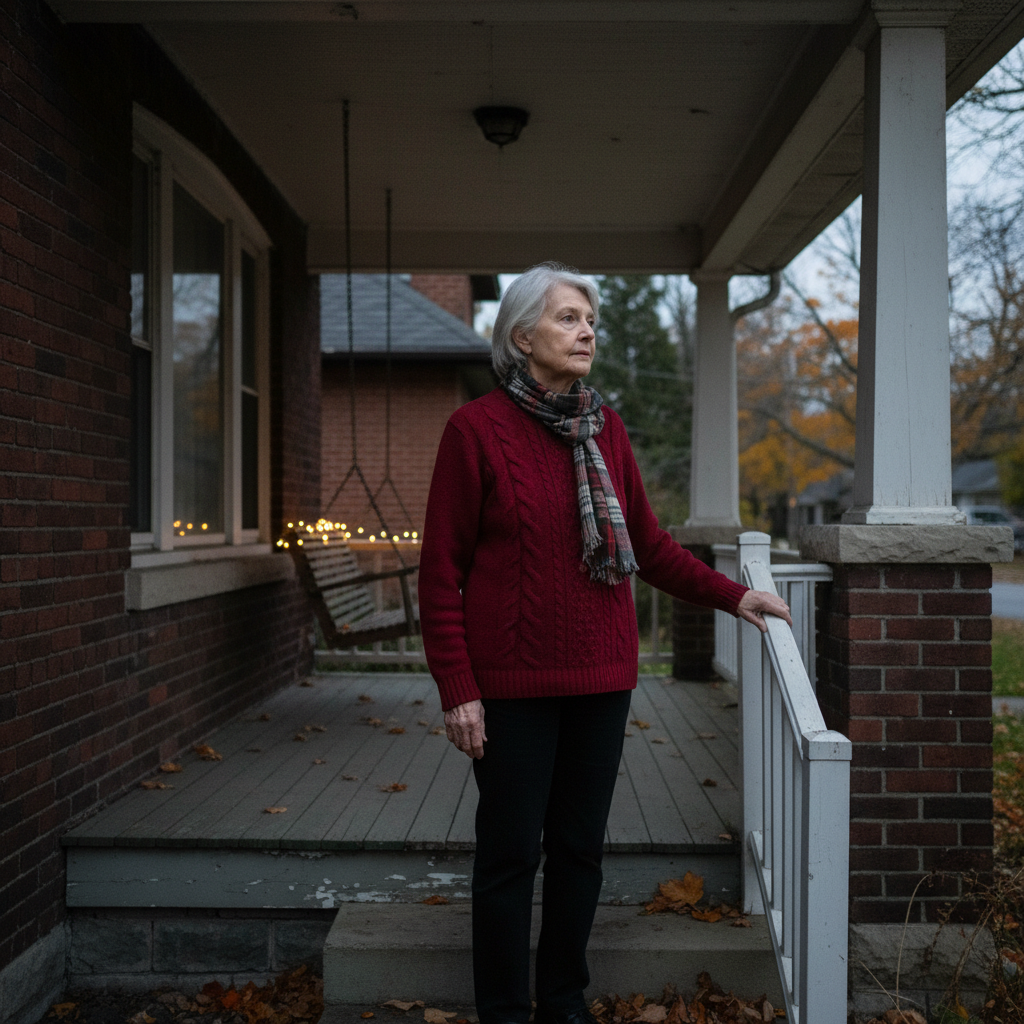
This guide helps you evaluate whether a reverse mortgage is the right response to a major life disruption.
Life Event #1: Divorce After Age 55
Divorce in your 60s or 70s can devastate retirement plans. Suddenly, assets are split. Retirement income is halved. One spouse may have given up career to raise children and has minimal retirement savings.
The Financial Impact
Before Divorce:
Home Value: $650,000 (shared)
CPP: $16,400/year (joint household)
Savings: $200,000 (shared)

After Divorce (typical):
Home Value: $325,000 (your share)
CPP: $16,400/year (only your benefit)
Savings: $100,000 (your share)
INCOME LOSS: 50% household income
ASSET LOSS: 50% home equity
Can a Reverse Mortgage Help?
Maybe. A reverse mortgage on your $325,000 home could provide:
Borrowing power (age 65): 35% = $113,750
Monthly income potential: ~$950/month for 10 years
This can replace lost spousal income while you rebuild.
But first, ask yourself:
- Is divorce causing permanent income loss, or temporary adjustment?
- Will you work longer?
- Did you receive CPP credits that could be split with ex-spouse?
- Did you receive spousal support?
✓ Reverse mortgage helps IF: You need 5–10 years of income bridge ✗ Reverse mortgage hurts IF: You're just delaying dealing with reduced assets
According to Statistics Canada, grey divorce (50+ population) has increased significantly. Many divorcees successfully rebuild with modest reverse mortgage support.
Life Event #2: Critical Health Crisis
Unexpected illness can drain retirement savings rapidly:
- Cancer treatment: $30,000–$100,000+ out-of-pocket
- Heart condition: Ongoing medication, specialist care: $5,000–$15,000/year
- Joint replacement: $20,000–$40,000 (if not fully covered)
The Financial Impact
Retirement Savings: $200,000
Cancer Treatment: -$60,000
New Annual Medical Costs: +$10,000/year
Remaining Savings: $140,000 (depleted 30%)
Can a Reverse Mortgage Help?
Yes, strategically. A reverse mortgage can:
✓ Preserve savings for non-medical expenses ✓ Provide funds for treatment not covered by provincial health ✓ Fund accessibility modifications for recovery ✓ Reduce stress about paying bills while recovering
Avoid IF: You're borrowing to fund treatments with low success rates or declining health. Don't add debt when your ability to repay is uncertain.
Life Event #3: Job Loss or Forced Early Retirement
You expected to work until 67. At 62, your position is eliminated or health forces early retirement.
The Financial Impact
Expected Career Earnings: $500,000 (next 5 years)
LOST: -$500,000
CPP Starting Early (62): -42% reduction
Reduced monthly CPP: $9,500/year (instead of $16,400)
ANNUAL INCOME LOSS: $32,000+
Can a Reverse Mortgage Help?
Yes, as a bridge. Borrow now to:
- Fund 5 years until CPP is better, then repay from CPP + other income
- Let CPP defer to age 70 (larger future benefit)
- Preserve savings for actual long-term needs
Example strategy:
Age 62: Job loss occurs
Borrow: $40,000/year for 5 years = $200,000 total
Age 67: Defer CPP completely
Age 70: Start maximum CPP benefit (42% higher than 65)
Age 70+: Use CPP to repay reverse mortgage
This works if: You'll have income to repay at age 70+ This fails if: You never regain meaningful income
Life Event #4: Supporting Adult Children in Crisis
An adult child faces:
- Job loss and eviction
- Divorce and custody costs
- Health crisis requiring care
- Business failure and debt
The Temptation
Many parents want to bail out struggling adult children. Reverse mortgages make this possible.
But ask yourself first:
✓ Is this helping them, or enabling dysfunction? ✓ Will they learn financial responsibility if you rescue them? ✓ Are you secure enough to help without jeopardizing YOUR retirement? ✗ Should your retirement be sacrificed for their recovery?
The Responsible Approach
Yes, help — but with limits:
Home equity: $650,000
Comfortable retirement need: $30,000/year
Surplus available for gifting: ~$150,000
Maximum gift to adult children: $50,000–$100,000 (keep reserves)
Gift once. Don't become a perpetual safety net. Help them solve the underlying problem, not just the symptom.
Life Event #5: Unexpected Property Repairs
Foundation crack. Roof collapse. Flooding. Major infrastructure failure can cost $20,000–$80,000+ and can't be delayed.
Can a Reverse Mortgage Help?
Yes, absolutely. This is a GOOD use case:
✓ Emergency need (not discretionary) ✓ One-time cost (not ongoing) ✓ Preserves your ability to stay in home ✓ Alternative would be expensive emergency borrowing
A reverse mortgage can fund critical repairs at better rates than credit cards or emergency loans.
Decision Framework: Is a Reverse Mortgage the Right Response?
| Life Event | Reverse Mortgage | Better Alternative | Verdict |
|---|---|---|---|
| Divorce | Possible | Split settlement fairly first | Maybe |
| Health crisis | Yes | Insurance coverage first | Yes |
| Job loss | Maybe | Delay CPP, preserve savings | Maybe |
| Supporting adult child | Possible | Limit gift, teach responsibility | Maybe |
| Emergency repairs | Yes | Only solution | Yes |
Ask these questions BEFORE borrowing:
1. Is this a temporary crisis or permanent loss?
- Temporary: A reverse mortgage bridge can work
- Permanent: You may need to downsize instead
2. Do I have other options?
- HELOC at lower rates?
- Adult children lending you money?
- Downsizing to smaller home?
- Selling cottage or investment property?
3. Can I repay this eventually?
- At what age?
- From what income source?
- If not, am I OK leaving less to heirs?
4. Would I be better off downsizing now? Sometimes, a major life disruption signals it's time to move to a smaller home rather than stay in place.
Warning Signs: When NOT to Use a Reverse Mortgage
Don't use a reverse mortgage if:
✗ You're hiding the problem (secret borrowing) ✗ You're solving a symptom, not the root cause ✗ You're enabling codependent behavior in adult children ✗ You're borrowing to fund unprofitable ventures or investments ✗ You're in cognitive decline and unable to make sound decisions ✗ You have no plan to repay or understand the consequences
These situations require different solutions: counseling, downsizing, elder law advice, or family therapy.
Action Steps After Major Life Disruption
-
Pause before borrowing — Wait 30 days before applying. Emotional decisions made in crisis often aren't best.
-
Consult professionals — Talk to a lawyer (if divorce), accountant (if income loss), financial advisor (if health crisis).
-
Explore all options — HELOC, downsizing, delaying CPP, family support. Don't assume reverse mortgage is only solution.
-
Model the scenarios — Borrow $X, repay in Y years from Z source. Does it work?
-
Get independent legal advice — This is mandatory in Ontario anyway. Use it as a time to reconsider.
-
Make a conscious choice — Not an emergency response, but a deliberate financial strategy.
Frequently Asked Questions
If I get a reverse mortgage after divorce, does my ex-spouse have claim to it?
No. If the home is solely in your name post-divorce, an ex-spouse has no claim. However, if the settlement specified future division of proceeds, consult an estate lawyer.
Can I get a reverse mortgage if I'm struggling with health issues?
Yes, but lenders may require a medical assessment to confirm you can manage the loan. Being sick doesn't disqualify you; being unable to understand the terms might.
Should I use retirement savings or reverse mortgage for emergency medical costs?
It depends. If you'll need the savings later, a reverse mortgage (with no required payments) might be better. If savings are modest, preserve them.
Can I later regret taking a reverse mortgage after a life crisis?
Yes. Some borrowers later wish they'd downsized instead. That's why waiting 30 days and consulting advisors matters.
Speak to a licensed mortgage professional. Independent legal advice is required before closing a reverse mortgage in Ontario.
Major life disruptions are stressful. Don't let stress drive hasty financial decisions. A reverse mortgage CAN help you navigate crises — but only if it solves the real problem, not just delays dealing with it.
Get your free Ontario Reverse Mortgage Guide →
This content is for illustrative purposes only. Rates may vary. Call Rick Sekhon for the best rates and more information.
Ready to Learn More?
Get the free Ontario Reverse Mortgage Guide and find out exactly how much you could unlock from your home.
Get My Free Guide →Related Articles
Reverse Mortgage After Job Loss: Income When Work Ends Early
Unexpected job loss before retirement? Explore how a reverse mortgage can bridge income gaps and provide financial stability during involuntary career transitions in Ontario.
Read →Critical Illness in Retirement: How a Reverse Mortgage Can Help
When serious illness strikes in retirement, medical costs and lost income create financial pressure. A reverse mortgage can fund treatment and bridge income gaps without selling your home.
Read →Reverse Mortgage After Divorce: A Guide for Seniors
Navigate reverse mortgages after divorce, including property division, sole ownership, and financial planning for separated seniors.
Read →