
Reverse Mortgage and the Loneliness Epidemic: Funding Social Connection
Combat retirement loneliness by funding social programs, community activities, and connection initiatives. Reverse mortgage makes wellness investment affordable.
Are you experiencing the loneliness so many retirees face—especially after spouse loss or relocation? Loneliness in retirement is a serious health crisis, linked to higher rates of depression, heart disease, cognitive decline, and mortality. Yet community programs, social activities, and connection initiatives often require upfront investment. A reverse mortgage funds social engagement infrastructure—travel programs, volunteer placement, community memberships, and connection activities that combat isolation and build meaningful retirement community.
This article is for educational purposes only and does not constitute financial advice.
The Hidden Health Crisis: Retirement Loneliness in Canada
Loneliness in retirement is a documented public health crisis—as damaging to health as smoking 15 cigarettes daily. Yet it remains invisible and underfunded in healthcare systems.
Loneliness in Canadian Retirement Statistics
| Impact | Prevalence | Health Effect |
|---|---|---|
| Report feeling lonely regularly | 30–35% of retirees | Higher depression, anxiety |
| Isolated (rarely see friends/family) | 15–20% of retirees | Cognitive decline acceleration |
| Recently widowed/divorced | ~40% experience acute loneliness | Heart disease, mortality increase |
| Live alone | 45% of women 65+, 25% of men | Higher medical costs, hospitalization |
| Limited social activity | 25% report minimal engagement | Accelerated aging, dementia risk |
The health costs are staggering: isolated seniors face 26% higher mortality risk, 32% higher heart disease risk, and significantly higher healthcare utilization. Yet loneliness treatment (social engagement, community building, connection programming) is rarely covered by healthcare or pension systems.
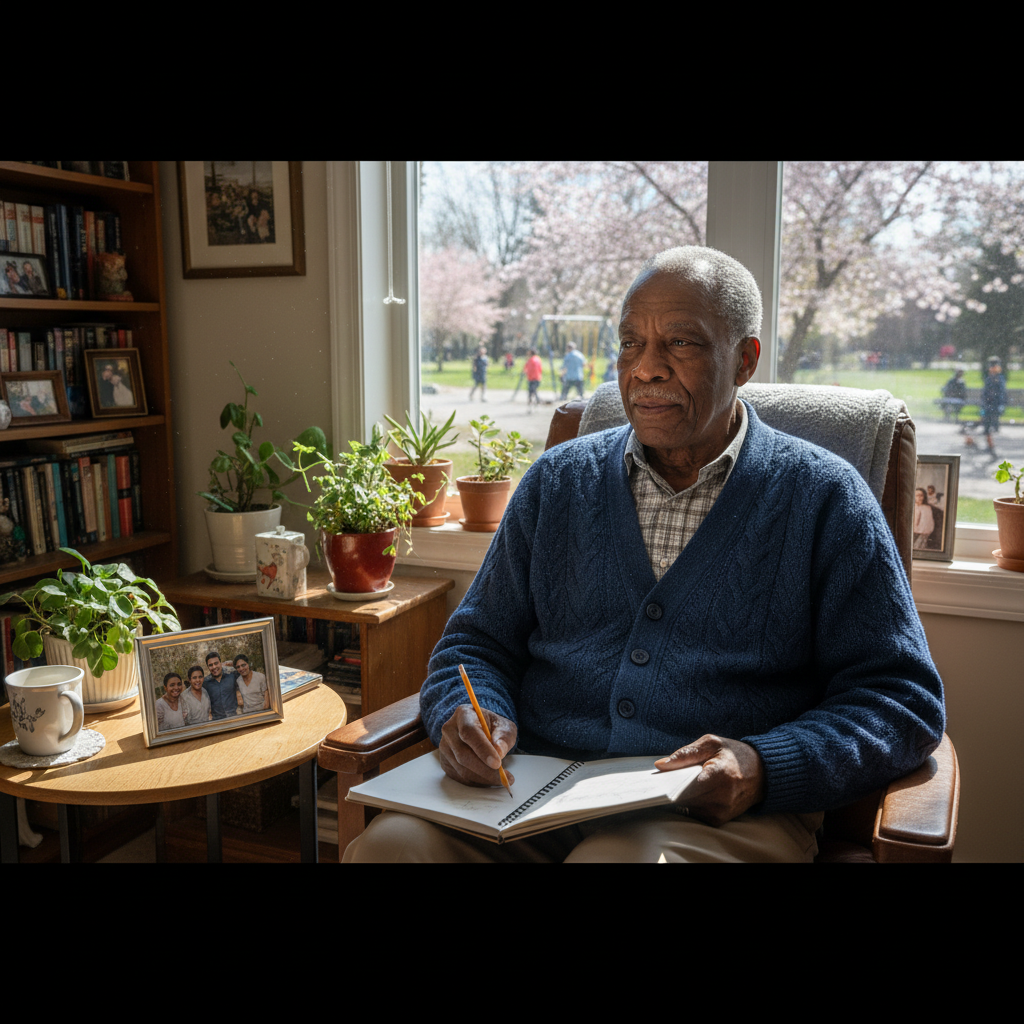
Why Connection Requires Investment
Combating retirement loneliness requires deliberate, sustained investment in community and social infrastructure. It doesn't happen automatically; it requires participation costs that isolate seniors can't afford on fixed income.
Connection Investment Costs
| Activity | Annual Cost | Frequency | Connection Benefit |
|---|---|---|---|
| Community center memberships | $500–$1,500 | Ongoing | Regular social contact, activities |
| Group travel programs | $2,000–$5,000 | Multiple times/year | Peer bonding, adventure, stimulation |
| Volunteer placement + coordination | $500–$2,000 | Ongoing | Purpose, meaningful contribution |
| Social skills/hobby classes | $200–$600 | Monthly programs | Structured engagement, learning |
| Peer support group programs | $50–$300 | Weekly/monthly | Shared experience, understanding |
| Meal programs/social dining | $5–$20/meal | 2–3x weekly | Shared meals, casual connection |
| Technology training for connection | $200–$500 | One-time + ongoing | Online social engagement capability |
| Retreat programs (social focus) | $2,000–$5,000 | Annual | Intensive relationship building |
A comprehensive social engagement strategy costs $8,000–$15,000 annually—far beyond what many fixed-income retirees can afford. Result: isolation deepens even though solutions exist.
According to Statistics Canada and the Canadian Mental Health Association, isolation-driven depression in seniors costs the Canadian healthcare system over $15 billion annually in medical, mental health, and long-term care costs. Prevention through social engagement is dramatically more cost-effective than treating isolation's health consequences.
How a Reverse Mortgage Funds Social Engagement
A reverse mortgage funds the social infrastructure that transforms lonely retirement into connected, engaged retirement.
Connection Strategy Funding
- Assess your social isolation — Honestly evaluate current isolation levels
- Identify connection activities — What brings you joy? Travel? Volunteering? Learning?
- Access reverse mortgage funds — $12,000–$20,000 for annual social investment
- Build social infrastructure — Memberships, programs, activities, travel
- Engage consistently — Stay committed to regular connection activities
- Watch health improve — Documented improvements in mood, cognitive function, longevity
Real Example: Social Engagement Funding
David, 74, lost his wife two years ago. He's socially isolated, depressed, living on fixed income. He uses a $15,000 reverse mortgage draw to fund:
| Activity | Cost | Impact |
|---|---|---|
| Community center membership (1 year) | $1,200 | Regular social contact, pool access |
| Group travel program (2 trips) | $4,000 | Adventure, peer bonding |
| Volunteer placement coordination | $1,000 | Purpose, meaning, structure |
| Hobby classes (woodworking, painting) | $600 | Creative engagement, social learning |
| Social dining program (weekly) | $1,500 | Routine social contact, nutrition |
| Tech training & video call setup | $300 | Connection with distant family |
| Retreat/reunion program (summer) | $3,000 | Intensive relationship building |
| Contingency/new opportunities | $2,400 | Flexibility for emerging interests |
Within one year, David's isolation resolves. He has weekly routines, meaningful activities, peer friendships, and purpose. His mental health and physical health both improve measurably. The $15,000 reverse mortgage investment produces documented health improvements worth far more in quality of life terms.

Community Programs and Initiatives Worth Funding
Ontario offers many social engagement programs that retirees can access through reverse mortgage funding.
Community Programs to Consider
| Program Type | Cost Range | Ontario Examples |
|---|---|---|
| Community centers | $500–$1,500/year | Local recreation, classes, social drop-ins |
| Seniors' groups | $100–$500/year | Social clubs, hobby groups, peer support |
| Travel programs | $1,500–$4,000 per trip | Group travel organizations, seniors tours |
| Volunteer coordination | $300–$1,500/year | Volunteer centers, placement matching |
| Lifelong learning | $200–$800/course | Seniors' university programs, lecture series |
| Mentorship programs | Often free–$500 | Intergenerational mentoring, coaching |
| Arts/cultural programs | $200–$600/year | Community theater, art classes, dance |
| Spiritual communities | Free–$200/year | Faith communities, meditation groups |
The diversity of options means you can customize your social engagement to match your interests and values.
According to Seniors Canada, retirees who participate in at least two social/community activities weekly show 50% lower depression rates and 25% better cognitive outcomes than isolated peers.
Technology as Connection Infrastructure
Reverse mortgage funding can also support the technology infrastructure that enables modern social connection.
For many retirees, technology access is the barrier to connection:
- Video calling setup: Tablet, internet upgrade, tech support = $500–$1,500 one-time
- Online learning access: Platforms, courses, equipment = $300–$800/year
- Social media training: Classes to connect with distant family = $200–$500
- Virtual group participation: Subscription services, online classes = $300–$1,000/year
A reverse mortgage can fund both analog (in-person) and digital (remote) connection strategies, maximizing reach.
Health and Economic Benefits of Reverse Mortgage-Funded Connection
Investing in social connection through a reverse mortgage is economically rational—not just emotionally beneficial.
| Health Outcome | Isolation Cost to Healthcare | Connection Benefit |
|---|---|---|
| Depression treatment | $3,000–$8,000/year | Resolved through engagement |
| Heart disease risk | $50,000+ over 10 years | 25% reduction in isolation-driven risk |
| Hospitalization | Average $7,000 per admission | 35% reduction in admission rates |
| Cognitive decline | $15,000+ for advanced care | Slowed by 50% with regular engagement |
| Mortality reduction | Avoided care costs | 20–30% reduction in mortality risk |
A $15,000 reverse mortgage investment in social engagement often prevents $50,000–$100,000+ in health-related costs over 10 years. It's not just good for your happiness—it's economically rational.
Quick Reference: Social Connection Reverse Mortgage Strategy
| Question | Answer |
|---|---|
| Best for | Isolated retirees seeking community building |
| Typical amount | $12,000–$20,000 annual draw (or lump sum) |
| Timeline | Ongoing; draws as activities occur |
| Age/eligibility | 55+ primary homeowner |
| Interest rate | ~7.5%–8.5% (varies by lender) |
| Repayment | No required payments during lifetime |
Frequently Asked Questions
Is it selfish to use a reverse mortgage to fund my social activities?
No. Investing in your mental health and social connection is essential self-care, not selfishness. Your health and happiness matter. Additionally, engaged seniors contribute more to their communities—volunteer work, intergenerational mentorship, cultural participation—so your investment benefits others too.
What if I try social programs and they don't work for me?
That's valuable information. Some activities click; others don't. A reverse mortgage's flexibility lets you experiment without financial pressure. Try multiple approaches—volunteering, classes, travel, groups—until you find what resonates.
Should I join in-person or online communities?
Both. In-person connection provides vital face-to-face engagement and physical activity. Online connection maintains relationships with distant family and enables engagement when mobility is limited. Fund both for maximum connection options.
What if I'm introverted and group activities overwhelm me?
Social connection doesn't require large groups. Reverse mortgage funding can support one-on-one mentoring, small class settings, individual hobbies with casual social elements, or volunteer work in quiet environments. Customize to your personality.
Can a reverse mortgage fund travel programs specifically?
Absolutely. Group travel for seniors is a powerful loneliness intervention. A reverse mortgage can fully fund annual or bi-annual travel programs—a proven way to build peer friendships and stimulate engagement.
Speak to a licensed mortgage professional. Independent legal advice is required before closing a reverse mortgage in Ontario.
The Bottom Line: Connection is Healthcare
Loneliness in retirement is a health crisis with proven solutions. A reverse mortgage funds the social engagement infrastructure that transforms isolated retirement into connected, meaningful retirement. This investment isn't a luxury—it's preventive healthcare at its finest.
Your connection matters. Your engagement matters. Your health depends on it.
Get your free Ontario Reverse Mortgage Guide →
This content is for illustrative purposes only. Rates may vary. Call Rick Sekhon for the best rates and more information.
Ready to Learn More?
Get the free Ontario Reverse Mortgage Guide and find out exactly how much you could unlock from your home.
Get My Free Guide →Related Articles
Reverse Mortgage for Your Own Mental Health and Wellness Recovery
Invest in your mental health recovery in retirement. Use a reverse mortgage to fund therapy, wellness programs, and healing after life challenges.
Read →Reverse Mortgage as Your Financial Safety Net: Building Peace of Mind in Retirement
How a reverse mortgage provides security and peace of mind in retirement. Less about borrowing, more about psychological safety for Ontario seniors.
Read →Reverse Mortgage for Social Connection: Building Community in Retirement
Fund social activities, community involvement, and meaningful connections to combat retirement isolation. Create a vibrant social life in Ontario after 55.
Read →