
Fund Your Growth: Using a Reverse Mortgage for Lifelong Learning in Retirement
Pursue new skills, hobbies, and education in retirement with a reverse mortgage. Learn how to fund personal development and stay mentally sharp while aging.
Is retirement supposed to be an ending, or could it be a beginning? Many retirees discover that their most fulfilling years come after they step away from work—not because they stop working, but because they finally have time to pursue what matters most. For some, that means learning an instrument, taking university courses, mastering new hobbies, or developing skills they never had time for during their career.
Yet education and skill development in retirement require money—for tuition, materials, equipment, and travel to programs. If your retirement income from CPP, OAS, and pensions doesn't leave room for these pursuits, a reverse mortgage can unlock the home equity needed to invest in your own growth and keep your mind sharp, engaged, and purposeful during your retirement years.

Why Lifelong Learning Matters in Retirement
The Health Benefits of Learning
Mental Health: Active learning keeps your brain sharp and reduces the risk of cognitive decline. Studies show that retirees who engage in learning and mentally challenging activities have lower rates of dementia and memory loss.
Physical Health: Many learning pursuits—dance classes, outdoor education, physical skill development—provide exercise alongside mental engagement.
Sense of Purpose: Retirement without purpose is often boring or depressing. Learning gives you goals, a reason to get up, and accomplishment.
Social Connection: Classes, workshops, and learning communities provide friendships and reduce isolation—a critical factor in healthy aging.
According to research cited by the Government of Canada, seniors who engage in lifelong learning report higher life satisfaction, better mental health, and slower cognitive aging compared to those who remain inactive.
Common Learning Pursuits in Retirement
- University or college courses: Part-time degrees, individual courses, or continuing education programs
- Technical skills: Computer classes, software proficiency, digital photography, video editing
- Languages: Spanish, French, Mandarin—spoken language courses, immersion programs, or travel-study combinations
- Music and arts: Piano lessons, painting, sculpture, writing workshops, pottery classes
- Wellness and fitness: Yoga teacher training, nutrition certification, fitness coaching
- Hobbies and trades: Woodworking, leathercraft, brewing, cooking, jewelry making
- Professional development: Certifications, licenses, or credentials in new fields
- History and culture: Archaeological digs, museum studies, travel-based learning experiences
The Cost of Lifelong Learning
How Much Does Retirement Education Cost?
| Learning Program | Typical Cost |
|---|---|
| Community college course | $300–$800 per course |
| University continuing education | $500–$2,000 per course |
| Professional certification | $1,000–$5,000 for full program |
| Language immersion (week) | $1,000–$3,000 |
| Music lessons (monthly) | $50–$150/month × 12 = $600–$1,800/year |
| Art or craft classes | $200–$500 per course |
| Online learning subscriptions | $100–$500/year |
| Travel-study programs | $2,000–$5,000 per program |
| Workshops and retreats | $500–$2,000 per event |
Annual learning budget (modest): $3,000–$5,000/year Annual learning budget (ambitious): $8,000–$15,000/year 5-year learning investment: $15,000–$75,000
For most retirees living on fixed income, this is not affordable without additional cash. A reverse mortgage can provide this capital upfront.
Real Example: Maria's Language Learning Plan
Maria is 68, retired from teaching, with a home worth $450,000 and no mortgage. She speaks English and French fluently but always wanted to learn Spanish. Her plan:
- 2-week immersion program in Spain: $2,500
- Monthly Spanish conversation classes (2 years): $3,600
- Online language software subscription: $200
- Materials and practice books: $400
- Travel to Spanish-speaking countries (practice): $5,000
Total 2-year investment: $11,700
Maria's CPP is $1,500/month and her pension is $800/month. After basic living expenses, she has $500/month discretionary income. To save $11,700, she'd need to wait 23 months—but she's already 68, and waiting feels like lost opportunity.
Solution: A reverse mortgage provides $50,000 access. Maria uses $12,000 for learning over 2 years, confident she'll enjoy immersive language education during her early-active retirement years. The remaining $38,000 is available for other life events.
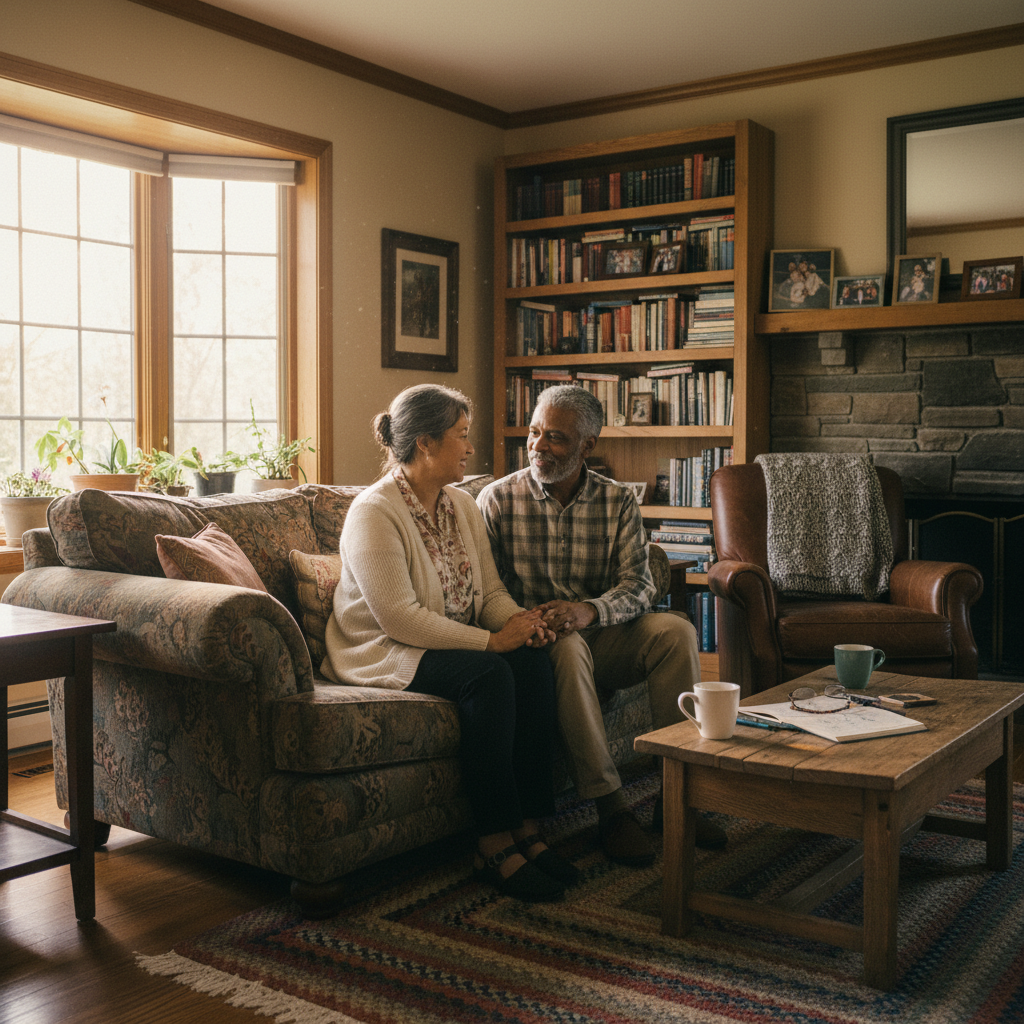
Using a Reverse Mortgage to Fund Lifelong Learning
How to Structure Learning Funds with a Reverse Mortgage
Option 1: Lump Sum at Closing
- Receive a single payment when reverse mortgage closes
- Ideal if you have a specific program or major purchase coming up
- Example: $20,000 to fund a 2-year university program
Option 2: Line of Credit
- Access funds as needed over time
- Draw for each course, workshop, or program
- Interest accrues only on amounts you actually use
- More flexible if timing of learning varies
Option 3: Monthly Payments
- Receive fixed monthly deposits alongside your CPP/OAS
- Provides predictable monthly learning budget
- Simplifies budgeting for ongoing classes and programs
Option 4: Hybrid Structure
- Receive lump sum at closing for immediate large programs
- Keep line of credit open for smaller, ongoing learning expenses
- Offers maximum flexibility
Reverse Mortgage Lenders and Learning Investments
All major lenders allow reverse mortgage funds to be used for education and personal development:
- CHIP: Allows funds for any legal purpose, including education and skill development
- Equitable Bank: Supports learning investments as part of retirement planning
- Home Trust: Encourages purpose-driven retirement investing
- Bloom Financial: Flexible on fund usage including personal development
According to FSRAO (Financial Services Regulatory Authority of Ontario), reverse mortgage funds can legally be used for education, training, skill development, and personal enrichment—with no restrictions from the lender.
Combining Reverse Mortgage with Other Funding
You don't need to rely entirely on a reverse mortgage for learning. Consider combinations:
- CPP + OAS + Personal Savings + Reverse Mortgage — Most sustainable approach
- Available scholarships or grants — Many programs offer discounts for seniors
- Employer or union education benefits — Some retirees retain access even after leaving work
- Tax credits — Tuition tax credits can offset costs in following year
A balanced approach preserves home equity while still funding meaningful learning.
Planning Your Learning Journey in Retirement
Step 1: Identify Your Learning Interests
Ask yourself:
- What did I always want to learn but never had time for?
- What skills would bring me joy and purpose?
- What would keep my mind sharp and engaged?
- What would help me connect with other people?
Make a list of top 5 learning priorities. Be specific—not just "learn music," but "learn classical piano through weekly lessons."
Step 2: Research Programs and Costs
For each interest:
- Identify specific programs (community colleges, universities, online platforms, private instructors)
- Get exact pricing
- Understand time commitment (how long? how often?)
- Check for senior discounts or financial aid
| Learning Goal | Research Steps |
|---|---|
| University course | Visit continuing education websites; request course catalogs; ask about senior pricing |
| Language learning | Get quotes from tutors, immersion programs, online subscriptions; compare costs |
| Certification or license | Contact professional bodies; ask about prerequisite courses and total cost |
| Hobby or craft | Find instructors; visit studios; ask about materials and supplies costs |
Step 3: Calculate Total 5-Year Learning Budget
Add up all programs you want to pursue over the next 5 years:
Example:
- Piano lessons (2 years): $2,000
- Art class (1 year): $1,500
- Language program: $4,000
- Online learning subscriptions: $500
- Materials and books: $1,000 Total: $9,000
Step 4: Determine Reverse Mortgage Amount Needed
Don't borrow just for learning. Use the reverse mortgage to cover learning plus:
- Home maintenance and repairs
- Healthcare costs not covered by insurance
- Travel or leisure
- Emergency fund cushion
If you need $9,000 for learning but also face upcoming roof repairs ($8,000), HVAC replacement ($5,000), and want an emergency cushion ($10,000), you'd need a $32,000 reverse mortgage.
Step 5: Apply for Reverse Mortgage with Learning Plan
When you meet with a reverse mortgage specialist, bring your learning plan. Explain:
- What you want to learn
- Costs and timeline
- Why this matters to you
- How it fits your retirement vision
This helps the lender understand your needs and structure the reverse mortgage to serve your learning goals best.
Frequently Asked Questions
Are reverse mortgage funds taxable if I use them for education?
No. Reverse mortgage proceeds are loans, not income. They are not taxable regardless of how you use them. This is different from RRIFs or investment income.
Can I get a tuition tax credit if I use reverse mortgage funds for school?
Yes. While the reverse mortgage itself is not taxable, the tuition costs may qualify for tuition tax credits that offset your income taxes. Keep receipts and report tuition paid according to CRA guidelines.
What if I change my mind about a program and don't use all the learning funds?
The funds remain in your line of credit. You can use them for other purposes, or they simply sit there until needed. You only pay interest on amounts you actually use.
Can I take out a second reverse mortgage if my first one isn't enough for all my learning goals?
No. Canadian rules typically allow only one reverse mortgage per home. Plan your borrowing carefully to cover all anticipated needs.
What if I can't complete a program due to health issues?
If you become ill or incapacitated, the reverse mortgage remains your responsibility (or your estate's responsibility). Insurance or disability protections are not built in. This is why maintaining a learning fund (rather than spending everything immediately) provides flexibility.
Are online learning platforms eligible for reverse mortgage funding?
Yes. Online courses, subscriptions, certifications, and digital learning programs are all eligible uses. You don't need to take in-person classes.
How do I know if I can afford a reverse mortgage for learning if I'm already on CPP and OAS?
A reverse mortgage specialist can help you model the scenario. Generally, if you have home equity and can afford home maintenance, property taxes, and insurance, you can afford a reverse mortgage. Learning is affordable because you're not making payments—interest accrues silently.
Key Takeaways
| Concept | Key Point |
|---|---|
| Lifelong learning | Improves mental health, provides purpose, and keeps your mind sharp in retirement |
| Cost | Annual learning budgets range from $3,000 for modest pursuits to $15,000+ for ambitious programs |
| Reverse mortgage flexibility | Funds can be accessed as lump sum, line of credit, or monthly payments |
| No restrictions | Lenders allow learning investments; proceeds are not taxable |
| Long-term planning | Map out your 5-year learning goals before applying for the reverse mortgage |
Retirement doesn't have to mean stepping back from growth. A reverse mortgage can give you the financial freedom to pursue learning that brings joy, purpose, and mental vitality during some of your best years. Your brain will thank you.
Ready to Learn More?
Get the free Ontario Reverse Mortgage Guide and find out exactly how much you could unlock from your home.
Get My Free Guide →Related Articles
Fund Your Passion Project: Using a Reverse Mortgage for Creative Retirement Goals
Retirement isn't just about financial stability—it's about purpose. A reverse mortgage can fund the creative projects, hobbies, and pursuits you've deferred for 40 years.
Read →Reverse Mortgage for Active Retirement (Age 55–65): Funding Travel and Lifestyle
Early retirees (55–65) face a unique challenge: long lifespan, high lifestyle costs, portfolio longevity. Learn how a reverse mortgage can fund active retirement adventures without portfolio depletion.
Read →Reverse Mortgage to Fund Volunteer Transition: Purpose-Driven Retirement
Use a reverse mortgage to fund training and transition for meaningful volunteer work in retirement. Turn purpose into a paid leave from work.
Read →