
Reverse Mortgage to Fund Volunteer Transition: Purpose-Driven Retirement
Use a reverse mortgage to fund training and transition for meaningful volunteer work in retirement. Turn purpose into a paid leave from work.
"I want to leave my career early to do volunteer work that matters to me, but I can't afford the income loss—is there a way to make this work?" Many Ontario professionals dream of stepping away from paid work to focus on meaningful volunteering—mentoring youth, serving in nonprofits, community building—but can't bridge the financial gap. A reverse mortgage can fund your transition, replacing the income you lose when stepping down from paid work to part-time or volunteer roles, allowing you to prioritize purpose over paycheck without financial stress.
This article is for educational purposes only and does not constitute financial advice.
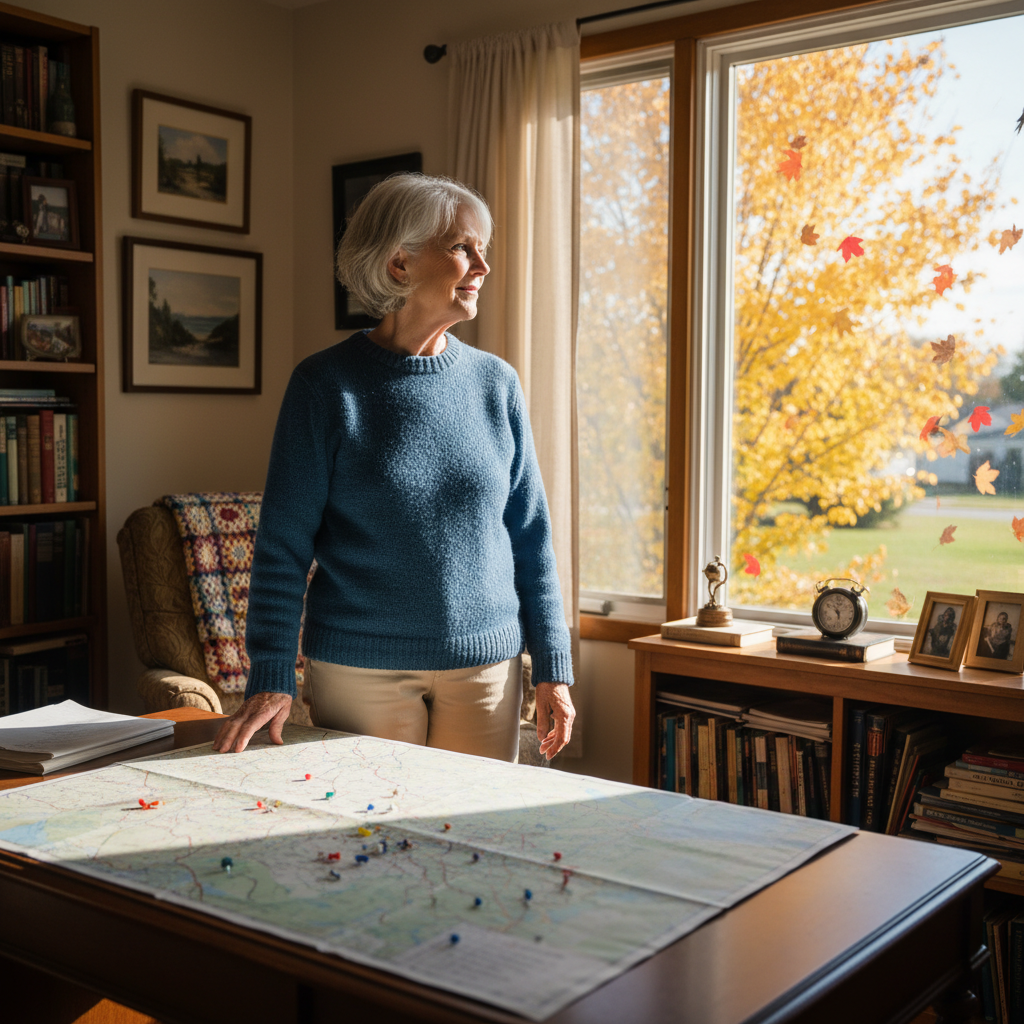
The Volunteer-to-Purpose Problem: Why It's Hard to Step Down
For many Ontario professionals, the transition looks like this:
- Career income: $60,000–$100,000+ annually
- Desire: Reduce to part-time work or volunteer + modest income
- Problem: OAS/GIS won't start until 65, CPP is reduced if claimed before 60
- The gap: 5–10 years without enough income to cover living expenses
- The solution: A reverse mortgage bridges the gap, allowing purpose-driven retirement
Meaningful Volunteer Opportunities in Ontario
Education & Youth Mentoring
- Big Brothers Big Sisters: One-on-one mentoring of at-risk youth
- School tutoring programs: Math, reading, ESL support
- Youth sports coaching: Minor league hockey, soccer, swimming
- University mentoring: Professional guidance for students in your field
- Literacy programs: Adult education and immigrant settlement support
Community & Social Services
- Food bank operations: Sorting, packing, distribution
- Homeless shelters: Meal preparation, intake support, companionship
- Seniors programs: Visiting, meal delivery, friendly visitors
- Youth employment training: Career coaching, interview prep
- Community centers: Running programs, event support
Environmental & Conservation
- Park restoration: Trail building, invasive species removal
- Wildlife protection: Bird banding, habitat monitoring
- Environmental education: Nature centers, outdoor programs
- Conservation volunteering: Wetland restoration, tree planting
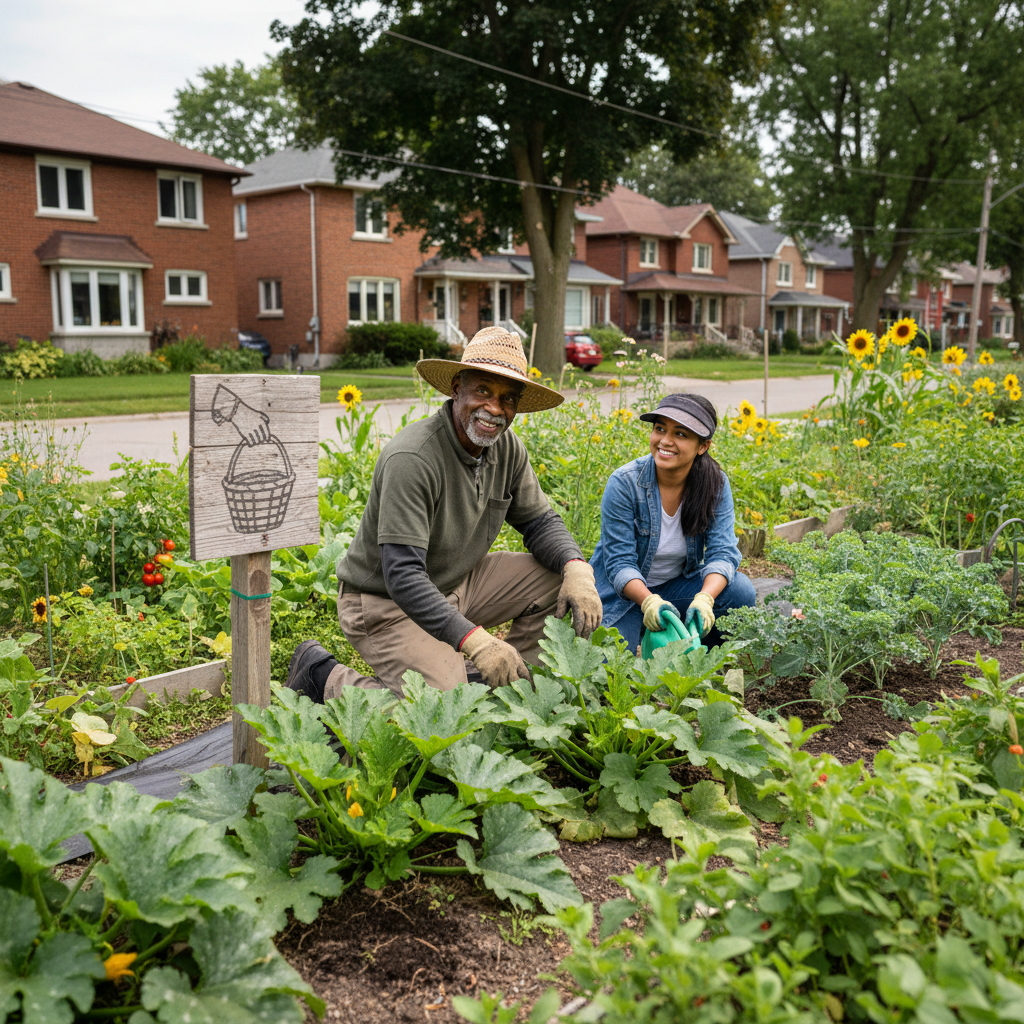
- Community gardening: Food security and green space creation
Healthcare & Wellness
- Hospital volunteering: Patient support, information desk, companionship
- Hospice care: End-of-life support, presence with dying patients
- Health advocacy: Peer support for specific conditions (cancer, diabetes, mental health)
- Disability services: Recreation programs, personal care support
- Public health: Community health education and promotion
Arts & Culture
- Museum and gallery volunteer: Tour guiding, event support
- Theater production: Set design, stage management, ticket sales
- Arts mentoring: Teaching traditional crafts, music, visual arts
- Cultural programming: Community events, heritage celebration
- Library programs: Story time, literacy support, event coordination
Real Ontario Stories: Purpose-Driven Career Transitions
Story 1: Margaret's Early Exit to Youth Mentoring
Margaret, 58, worked in corporate HR but dreamed of mentoring at-risk youth. However, leaving a $85,000 salary seemed impossible. Using a reverse mortgage, she:
- Calculated the gap: $85,000 – $20,000 (part-time consulting) = $65,000 annual shortfall
- Funded 8 years of transition: $65,000 × 8 years = $520,000 reverse mortgage draw
- Action: Stepped down to part-time consulting (20 hours/week) and volunteer mentoring (20 hours/week)
Today, Margaret mentors 4 youth through Big Brothers Big Sisters, works part-time consulting on her terms, and uses her reverse mortgage draws to cover the income difference. She's never been happier.
Story 2: David's Transition from Law to Community Justice
David, 62, practiced law for 35 years but wanted to support criminal justice reform in underserved communities. His law income ($120,000) couldn't transition directly to nonprofit work ($40,000). A reverse mortgage funded:
- 3 years of reduced income while he transitioned firms ($80,000/year shortfall = $240,000)
- Training and certification in restorative justice ($5,000)
- Part-time consulting during the transition ($50,000/year)
David now works in community justice reform, earns $50,000, and uses his reverse mortgage to cover the remaining income gap. His career shifted from profitable to purposeful.
Funding Your Volunteer Transition: Step-by-Step
Step 1: Calculate Your Income Needs
Determine what income you truly need in your transition phase:
Example:
- Current salary: $80,000
- Current living expenses: $60,000/year
- Desired future income: $25,000 (part-time work or small pension)
- Annual shortfall: $35,000
- Transition period: 5 years (age 60–65, until CPP starts)
- Total reverse mortgage needed: $175,000
Step 2: Identify Your Volunteer Path
Research opportunities:
- Contact organizations where you want to volunteer
- Assess time commitment (10, 20, 30 hours/week?)
- Determine if you'll work part-time alongside volunteering
- Ensure the volunteer path aligns with your values and skills
Step 3: Plan Your Income Strategy
Many volunteers-in-transition combine:
- Part-time consulting: 20 hours/week at your previous rate (reduced income)
- Teaching/guest lectures: Per-project fees at universities or nonprofits
- Contract work: Flexible, project-based income in your field
- Board service: Nonprofits may offer modest honorariums
- Pension/CPP (if eligible): Bridge the remaining gap with early CPP
Step 4: Calculate Your Reverse Mortgage Need
- Identify annual income shortfall
- Multiply by years until full retirement income (CPP, OAS, pension)
- Add buffer for healthcare, travel, inflation
- This is your reverse mortgage borrowing target
Step 5: Apply for Reverse Mortgage
Contact Rick Sekhon Reverse Mortgages or lenders like CHIP, Equitable Bank, and Home Trust to:
- Assess your home equity
- Determine maximum borrowing capacity
- Discuss lump sum vs. line of credit (LOC) options
- Understand interest rates and repayment terms
Recommendation: A line of credit (LOC) option is ideal for volunteer transitions, allowing you to draw funds annually as you gradually reduce paid work. This minimizes interest costs since you only pay interest on funds actually drawn.
Step 6: Begin Your Transition
Use your reverse mortgage draws to:
- Reduce paid work hours gradually
- Support yourself during lower-income volunteer period
- Cover living expenses and any retraining costs
- Continue until CPP/OAS eligibility or other pension income starts
Tax and Income Considerations
CPP Impact
- Early CPP claim (age 55–60): Reduced benefit, but may be strategically timed with transition
- Delayed CPP (age 65–70): Higher benefit, better paired with volunteer transition
- Strategy: Many use early CPP + reverse mortgage, reducing total mortgage draws needed
OAS Considerations
- OAS not available until age 65 (or delayed to 70)
- OAS clawback threshold: Reverse mortgage funds don't count as income, so OAS eligibility is unaffected
- Advantage: Reverse mortgage draws won't trigger OAS clawback
Employment Insurance & Pensions
- If you have a pension: May be able to take reduced pension + part-time work + volunteer
- Employment income: Part-time consulting income is normal employment income
- Reverse mortgage: Not treated as income by CRA
According to the Canada Revenue Agency (CRA), reverse mortgage proceeds are loan advances, not income, and don't count toward OAS/GIS thresholds or CPP calculations.
Life Stage Timeline: Volunteer Transition Strategy
| Age/Phase | Strategy | Reverse Mortgage Role |
|---|---|---|
| 55–58: Exploration | Volunteer while still employed (10–15 hrs/week) | Monitor feasibility; no RM yet |
| 58–62: Transition | Reduce to 60% paid work, add 30 hrs/week volunteering | RM funds income gap ($30,000–$50,000/year) |
| 62–65: Full Volunteer Phase | Part-time consulting (10–15 hrs/week) + volunteering | RM fully supports income replacement |
| 65+: Sustainability | CPP/OAS + modest part-time work + volunteering | RM draws reduce as government income starts |
Comparing Volunteer Funding Options
| Option | Feasibility | Cost | Best For |
|---|---|---|---|
| Reverse Mortgage | High | Interest on borrowed amount | Homeowners 55+ with equity |
| Early CPP | Medium | Permanently reduced benefits | Age 60+ with reduced CPP impact tolerance |
| HELOC | Low | Requires ongoing income (home equity line of credit requires income verification) | Working retirees only |
| Personal Savings | Low | Depletes retirement nest egg | Wealthy seniors only |
| Part-time Work Only | Medium | Time consuming, delays volunteering | Active retirees who can balance jobs |
The Bottom Line: Purpose Has a Price, Reverse Mortgages Cover It
For many Ontario professionals, the biggest barrier to purpose-driven retirement is the income gap—the years between when you want to step back from paid work and when government pensions start. A reverse mortgage elegantly bridges that gap, funding your values-driven volunteer transition without monthly payments or income requirements.
Key takeaway: If you've dreamed of stepping away from paid work to do meaningful volunteering but thought the cost was prohibitive, a reverse mortgage can fund that transition—allowing you to prioritize purpose and impact over income, for 5–10 years until CPP and OAS replace the gap.
Frequently Asked Questions
Can I volunteer full-time and use a reverse mortgage for all living expenses?
Absolutely. If you have home equity and can cover living expenses with a reverse mortgage, there's no requirement for paid work. Some Ontario retirees fund entirely volunteer-based lives this way.
What if my volunteer organization wants to offer me a salary—does that change my reverse mortgage?
Not at all. Reverse mortgage lenders don't restrict earned income. If your volunteer role becomes a paid position, that income simply supplements your reverse mortgage draws, reducing how much you need to borrow.
Can I use my reverse mortgage to cover volunteer-related costs (training, travel, supplies)?
Yes. While the primary purpose is income replacement, reverse mortgage funds can cover any legitimate cost, including volunteer training programs, travel to volunteer sites, or equipment/supplies needed for your volunteer work.
What if I want to volunteer but don't know where yet—can I still get a reverse mortgage?
Yes. Apply based on your income needs and transition timeline. You don't need the specific volunteer role confirmed before applying—just a realistic sense of your annual living expenses and desired timeline.
How does pension income interact with a volunteer transition funded by reverse mortgage?
If you have a pension from a previous employer, it typically continues or can be taken earlier (often with reduction). This pension income reduces the annual gap a reverse mortgage must cover. Coordinate your pension timing with your volunteer transition for maximum efficiency.
Ready to Learn More?
Get the free Ontario Reverse Mortgage Guide and find out exactly how much you could unlock from your home.
Get My Free Guide →Related Articles
Reverse Mortgage for Active Retirement (Age 55–65): Funding Travel and Lifestyle
Early retirees (55–65) face a unique challenge: long lifespan, high lifestyle costs, portfolio longevity. Learn how a reverse mortgage can fund active retirement adventures without portfolio depletion.
Read →How to Supplement CPP and OAS with a Reverse Mortgage in Canada
Ontario retirees: learn how a reverse mortgage creates tax-free income to supplement CPP and OAS without triggering clawbacks or affecting GIS eligibility.
Read →Reverse Mortgage for Workplace Injury Recovery: Supporting Adult Child's Career Transition
Help your adult child rebuild their career after workplace injury. Learn how reverse mortgages fund recovery, retraining, and financial stability during career transition.
Read →