
Language Barriers and Aging: Funding Culturally Appropriate Services for Immigrant Parents
Use a reverse mortgage to fund language interpretation services and culturally appropriate care for aging immigrant parents in Ontario.
Your aging parent speaks limited English. As their health declines, you realize navigating Ontario's healthcare system, legal documents, and support services requires translation services that drain your time and emotional energy. For adult children of immigrant parents, the language barrier creates cascading challenges: missed healthcare appointments, misunderstood prescriptions, isolation, and family caregiver burnout. A reverse mortgage can fund professional interpretation, translation services, and culturally appropriate care that honors your parent's language and cultural identity while easing your burden.
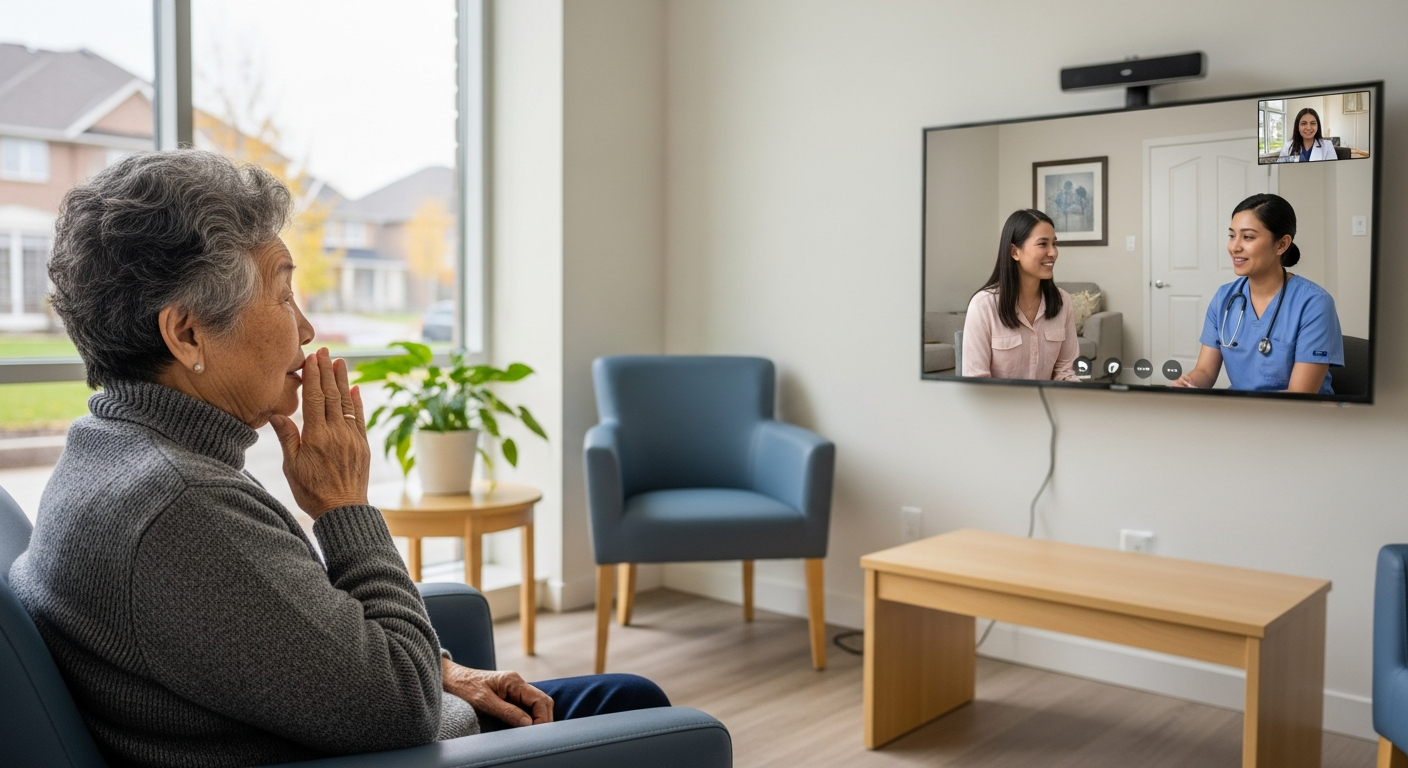
The Language Barrier Crisis for Aging Immigrants
According to Statistics Canada, 22% of Canadians speak a language other than English or French at home. For aging immigrants:
- Healthcare barriers: Miscommunication with doctors; missed diagnoses; incorrect medication doses
- Legal barriers: Power of attorney, wills, and estate documents require certified translation
- Emotional isolation: Cannot access English-language support groups, community programs, or social services
- Family burden: Adult children spend 5-10 hours/week translating (instead of caregiving or working)
- Safety risk: Parent may refuse healthcare rather than struggle with language barrier
According to the Journal of Gerontology, language barriers increase hospitalization risk by 40% for immigrant seniors, due to miscommunication and missed preventive care.
The Costs of Language Services: Why Professional Help Matters
Types of Needed Services
| Service | Cost | Frequency | Annual Impact |
|---|---|---|---|
| Medical interpretation | $60-100/hour | 8-12 appointments/year | $480-1,200 |
| Legal document translation | $150-300/document | 2-4 documents | $300-1,200 |
| Care coordinator (bilingual) | $20-25/hour | 5-10 hours/week | $5,200-13,000 |
| Home care aide (bilingual) | $22-28/hour | 10-20 hours/week | $11,440-29,120 |
| Telephone interpretation | $4-6/minute | As needed | $1,000-3,000 |
Annual total: $18,000-$48,000 depending on care intensity
Family member translating (alternative cost):
- If adult child translates instead of working: Lost income ~$40,000-80,000/year
- Emotional burnout: Invaluable cost
Real-World Example: Amira and Her Mother Fatima
The scenario:
Amira, age 48, is the adult daughter of Fatima, age 76, who immigrated from Lebanon 25 years ago. Fatima speaks Arabic and French; minimal English. She's experiencing early cognitive decline and arthritis.
Current state:
- Amira translates for all healthcare appointments (8-12/year): 2 hours each = 16-24 hours/year
- Amira manages Fatima's medications (doctors speak English; prescriptions confusing)
- Amira's siblings live out of province; she's sole caregiver-translator
- Amira works full-time; caregiver burnout is escalating
The reverse mortgage solution:
Amira's mother:
- Home value: $420,000 (paid off, owned 25+ years)
- Borrowing capacity: ~$235,000 (56% LTV at age 76)
- Reverse mortgage amount: $40,000
Allocation:
- $20,000/year (for 2 years): Hire bilingual care coordinator (10 hours/week)
- $12,000: Certified translation of legal documents (POA, will, advance directive in Arabic)
- $8,000: Medical interpretation service retainer (priority access for appointments)
Outcomes:
For Fatima:
- Care coordinator speaks Arabic/English; manages appointments, medications, communications with healthcare
- Healthcare is safer (no miscommunication)
- Preserves dignity (receives care in her native language)
- Reduces isolation (coordinator can participate in Arabic-language community programs)
For Amira:
- Reduces weekly translating from 2-3 hours to essentially zero
- Can focus on emotional support, not logistics
- Prevents caregiver burnout
- Maintains her work and income
- Sibling relationships improve (not guilt-driven)
Cost analysis:
- Reverse mortgage cost: $40,000 at 7% = $2,800/year (Year 1)
- Service cost covered: $20,000/year professional care
- Family member value freed: Amira's 20-30 hours/month × $50/hour lost productivity = $12,000-18,000/year
- Net savings to family: $12,000-18,000/year (formal services cost $20,000, but Amira's freed time is worth more)
Types of Language Services Available in Ontario
Professional Interpretation
- Medical interpretation: Hospitals and clinics in major Ontario cities now offer certified medical interpreters for common languages (Mandarin, Vietnamese, Arabic, Somali, Spanish, French, Italian, Polish). Many are free; some charge.
- Legal interpretation: Certified legal interpreters for document review and legal consultations
- Telephone interpretation: 24/7 services like Interpret Canada or CTS Language Services provide interpreter access via phone/video
Bilingual Care Coordination
- Ethno-cultural care coordinators: Many Ontario regions have organizations (e.g., Assisi Care Community, Ethno-cultural Seniors Services) providing care navigation in multiple languages
- Home care aides: Some private home care agencies employ multilingual aides; can be hired through reverse mortgage funds
Culturally Appropriate Services
- Seniors programs: Many multicultural centers in Toronto, Ottawa, Hamilton, and other cities offer programming specifically for immigrant seniors (social groups, health education, activities in native language)
- Religious/cultural organizations: Mosques, temples, churches, and community organizations often offer support for aging immigrants
Tax and Benefits Implications
Government Support
Home Care Access: Ontario's healthcare system covers some in-home care, but language services may not be included. Using reverse mortgage to supplement with interpretation allows you to access covered care while bridging language gap.
Government Interpretation Services: Some government services (CRA, Service Canada) offer interpretation assistance at no cost for tax/benefit questions. Not comprehensive, but available.
Reverse Mortgage Impact on Benefits
- Reverse mortgage proceeds are NOT income, so they don't affect GIS (Guaranteed Income Supplement) or OAS clawback
- Care costs funded through reverse mortgage may be tax-deductible if they qualify as medical expenses (consult tax professional)
Documentation for Seniors' Programs
Some Ontario programs for seniors prioritize those with language barriers. Document that:
- Parent has limited English proficiency
- Caregiver assistance is needed
- May qualify for subsidized services
Implementation: Getting Language Services Through a Reverse Mortgage
Phase 1: Assessment (Weeks 1-2)
- Identify parent's language and proficiency: What languages do they speak? How much English?
- Assess care needs: Healthcare management? Legal documents? Social isolation?
- Identify available services in your community: What's available in parent's language?
- Calculate costs: Get quotes from interpretation agencies, bilingual care coordinators
Phase 2: Reverse Mortgage Application (Weeks 3-8)
- Contact Rick Sekhon to discuss language-services funding goal
- Apply for reverse mortgage; determine borrowing capacity
- Close reverse mortgage; access funds
Phase 3: Service Implementation (Week 9+)
- Hire interpretation services or bilingual care coordinator
- Brief healthcare providers that interpretation services are available
- Engage parent in culturally appropriate programs
- Monitor whether language barriers are reducing
Frequently Asked Questions
Do hospitals in Ontario provide free interpretation?
Partially. Major hospitals (Toronto Western, Sunnybrook, St. Michael's) offer interpretation for common languages at no cost to patients. However:
- Rural hospitals may not have services
- Specialized languages (minority languages) may not be covered
- Advance notice (24+ hours) is often required
A reverse mortgage can supplement with private interpretation services as backup.
Is it easier to just have the adult child do all translating?
Financially no; emotionally no. Amira translating 20+ hours/month is:
- Lost work productivity ($800-1,200/month)
- Emotional burnout and caregiver stress
- Reduced quality time with parent (translating vs connecting)
- Unsustainable long-term
Investing $20,000/year in professional services frees Amira to provide emotional support instead.
Are bilingual care aides available in all Ontario regions?
More available in major cities. Toronto, Ottawa, Mississauga, and Hamilton have robust multilingual care services. Rural regions have fewer options. Check with:
- Local health units
- Multicultural seniors' organizations
- Private home care agencies
Can I claim language services as a tax deduction?
Potentially. If services are medically necessary (e.g., interpretation for medical appointments, prescribed therapy), they may qualify as medical expenses. Consult a tax professional; keep detailed records.
Language barriers shouldn't prevent aging immigrants from accessing quality healthcare and community engagement. A reverse mortgage makes professional language services affordable, preserving your parent's dignity and independence while freeing your family from constant translation burden.
Ready to Learn More?
Get the free Ontario Reverse Mortgage Guide and find out exactly how much you could unlock from your home.
Get My Free Guide →Related Articles
Reverse Mortgages for Immigrants & New Canadians
Reverse mortgage eligibility for immigrants and new Canadians. No citizenship required — permanent residents qualify. Documents, rights, and ILA guide.
Read →Professional Caregiver Training: Using a Reverse Mortgage to Fund Caregiver Certification and Education
Learn how Ontario caregivers can use a reverse mortgage to fund professional training, certifications, and education needed to provide quality care while managing household finances.
Read →Moving Your Aging Parent to Ontario: Using a Reverse Mortgage to Fund the Transition
Help your aging parent relocate to Ontario for better care, healthcare access, and family proximity. Learn how a reverse mortgage can fund the move and support aging in place.
Read →