
Reverse Mortgage After Inheriting Property Debt: Managing Multiple Mortgages and Liabilities
How to use a reverse mortgage to clear inherited property debt, manage multiple mortgages, and consolidate liabilities. Ontario guide for adult children inheriting burdened real estate.
Did you inherit a home—but also inherit the mortgage, property tax arrears, or other liens? A reverse mortgage can consolidate inherited debt and allow you to keep the family home without financial burden.
This article is for educational purposes only and does not constitute financial advice.
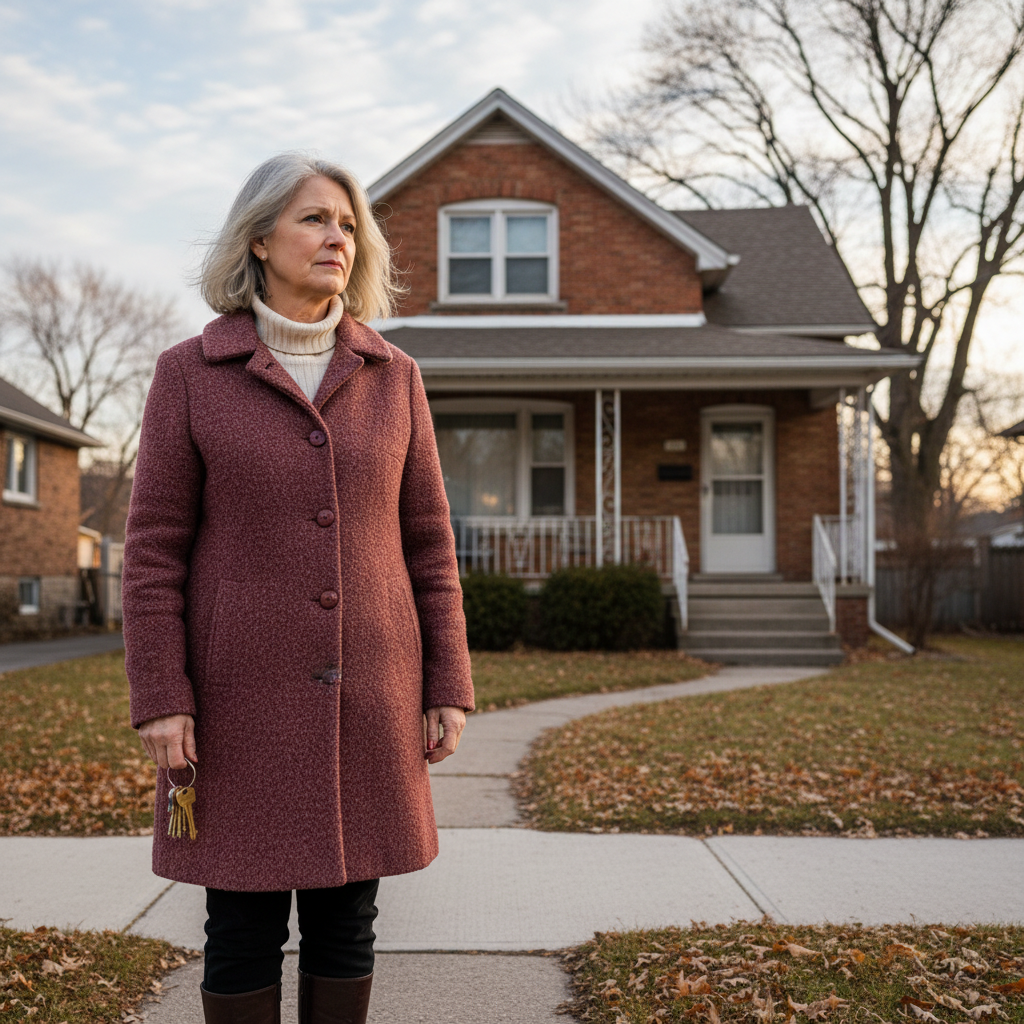
The Inherited Property Debt Problem
Inheriting a home sounds like a blessing. The reality is often more complex:
- Outstanding mortgage — Parent dies with mortgage still owing ($100,000–$400,000)
- Property tax arrears — Deferred taxes create liens on the property ($5,000–$50,000)
- Probate delays — Estate settlement takes months; meanwhile, taxes, insurance, and maintenance continue
- Condo special assessments — If inherited property is a condo, surprise assessments can compound liabilities
- Deferred maintenance debt — Unpaid contractor bills, liens from repairs
- Utility arrears — Unpaid hydro, water, or gas bills create secondary liens
For an adult child in their 50s or 60s approaching retirement, inheriting a $600,000 home with $300,000 in mortgage and arrears can derail retirement plans entirely.

How Inherited Property Debt Works in Ontario
When a parent dies in Ontario:
- The estate becomes responsible for debts — The home is an estate asset; creditors can claim against it
- Executor must settle debts before distributing inheritance — This means waiting months (or years for complex estates)
- If debt exceeds assets, inheritance may be reduced or eliminated — Other beneficiaries may receive nothing if the home has heavy liens
- You cannot simply "refuse" the inheritance — If you inherit the home, you inherit the associated debt obligations
Example: Parent dies. Home is worth $500,000. Mortgage: $250,000. Property tax arrears: $15,000. Probate fees: $20,000. Contractor liens: $10,000. Total debt: $295,000. Net inheritance: $205,000.
But if you're the only child, you inherit the home (not the clear proceeds). You own the liability.
Why a Reverse Mortgage Solves Inherited Debt
Once the home is transferred to you (inheritance closed), you own it free and clear (or with the original mortgage). A reverse mortgage allows you to:
✓ Access equity to pay off the inherited mortgage ✓ Consolidate multiple liens and pay them off ✓ Prevent tax lien sales (if property tax arrears exist) ✓ Pay executor fees and probate costs directly ✓ Avoid forcing a sale of the family home to settle debt ✓ Free up monthly cash flow (no more mortgage payments to your parent's lender)
| Inherited Debt Scenario | Cost | Reverse Mortgage Solution |
|---|---|---|
| $250,000 mortgage inherited | $250,000 | Access equity, pay off mortgage, owe reverse mortgage instead |
| $15,000 property tax arrears | $15,000 | Clear arrears immediately, avoid tax lien sale |
| $50,000 in contractor/utility liens | $50,000 | Consolidate all liens under one reverse mortgage |
| $25,000 in probate/legal fees | $25,000 | Fund directly from reverse mortgage proceeds |
| Total consolidated | $340,000 | One reverse mortgage replaces all separate debts |
According to the Financial Consumer Agency of Canada (FCAC), inherited property debt is a growing challenge for adult children who want to preserve family homes but lack the income to service multiple debt streams.
Reverse Mortgage vs. Traditional Refinancing
If you inherit a home with a mortgage, you might consider refinancing the existing mortgage. Here's why a reverse mortgage is often better:
| Factor | Traditional Refinance | Reverse Mortgage |
|---|---|---|
| Age requirement | 18+ typically | 55+ (aligns with seniors inherit homes later in life) |
| Income requirement | Required (proving repayment ability) | None (no income verification) |
| Monthly payments | Required | None—interest-only |
| Debt consolidation | Can only consolidate mortgages | Can consolidate mortgages + tax arrears + liens |
| Flexibility | Fixed payment schedule | Flexible—draw as needed or fixed draws |
| Prepayment penalty | May apply | Typical 3 months of interest |
Most adult children inheriting property are in their 55–70s and may be retired or semi-retired. A traditional refinance requires employment income verification. A reverse mortgage doesn't.

Step-by-Step: Using a Reverse Mortgage for Inherited Property
Step 1: Close the Estate (Get Clear Title)
Wait for probate to complete and the property to transfer fully to your name. You cannot apply for a reverse mortgage on property you don't yet own.
Step 2: Assess Total Inherited Debt
- Original mortgage balance: $X
- Property tax arrears (if any): $Y
- Liens from contractors, utilities, etc.: $Z
- Probate/legal fees still owing: $W
- Total: $X + $Y + $Z + $W
Step 3: Get a Reverse Mortgage Appraisal
A lender will appraise the home to determine how much you can borrow. Typically, you can borrow up to 55–59% of the home's current value.
Example: Home inherited at $500,000 current value. Max borrow: 55% = $275,000.
If total inherited debt is $300,000, you'll be short by $25,000. This becomes a personal debt you must handle separately or fund from other sources.
Step 4: Use Proceeds to Eliminate Debt
- Pay off the original mortgage first (largest creditor)
- Pay off property tax arrears (prevents liens)
- Pay off contractor/utility liens
- Pay probate and legal fees
- Keep any remaining equity for retirement security or future needs
Step 5: Move Forward Debt-Free
You now own the home free and clear (except for the reverse mortgage). No monthly mortgage payments. You're not forced to sell.
Tax Implications of Inherited Property and Reverse Mortgage
Important: Consult a tax accountant before proceeding.
- Principal residence exemption — If the inherited home is your principal residence, capital gains are exempt
- Reverse mortgage interest — Interest accrues but is not immediately deductible (unless the property becomes rental)
- Inherited mortgage payoff — Not a taxable event; you're simply paying off inherited debt
- Estate settlement costs — May be deductible from estate income, not your personal income
The intersection of inheritance tax and reverse mortgage interest is complex. Professional advice is essential.
Frequently Asked Questions
Can I get a reverse mortgage on an inherited home immediately after inheriting?
You must wait until the property is fully transferred to your name and probate closes. This typically takes 3–6 months.
What if the inherited property is worth less than the total debt?
The no-negative-equity guarantee means you never owe more than the home's value. If inherited debt exceeds home value, consult a lawyer—you may have other options (negotiating with creditors, bankruptcy, or seeking estate recovery).
Can other heirs contest my decision to take out a reverse mortgage?
If you're the sole heir, no. If multiple heirs inherit the property jointly, all joint owners must agree to a reverse mortgage. This can be complicated; consider buying out other heirs' shares if you want the home.
Does paying off inherited debt affect my CPP/OAS?
No. Reverse mortgage proceeds are not income. Paying off debt doesn't create taxable income or trigger benefit reductions.
What happens to my reverse mortgage when I eventually pass away?
The home is sold or the estate pays off the reverse mortgage. Your heirs inherit what remains after the mortgage is settled. This is similar to a traditional mortgage.
Speak to a licensed mortgage professional. Independent legal advice is required before closing a reverse mortgage in Ontario.
This content is for illustrative purposes only. Rates may vary. Call Rick Sekhon for the best rates and more information.
Ready to Learn More?
Get the free Ontario Reverse Mortgage Guide and find out exactly how much you could unlock from your home.
Get My Free Guide →Related Articles
Reverse Mortgage for Debt Consolidation in Ontario: Complete Guide
How Ontario seniors use a reverse mortgage to eliminate high-interest debt, stop monthly payments, and restore cash flow in retirement. Real numbers included.
Read →Managing Multiple Adult Children's Inheritance Expectations: Transparency and Fairness
Multiple adult children with different needs? Plan fair inheritance using reverse mortgage for advanced gifts. Ontario estate planning guide for 55+.
Read →Inheriting Your Parents' Home with a Reverse Mortgage: What Happens Next?
Guide for adult children inheriting a home with a reverse mortgage. Estate planning, repayment options, and keeping or selling the inherited home.
Read →