
Reverse Mortgage for Home Food Production: Greenhouse and Garden Infrastructure
Fund high-yield gardening, greenhouse systems, and food production infrastructure with a reverse mortgage. Grow food sustainably while aging in place in Ontario.
Do you want to grow fresh food at home but find the startup costs prohibitive? Professional greenhouse systems, raised garden beds, hydroponic equipment, and irrigation infrastructure enable year-round food production—but they're expensive. A reverse mortgage can fund these systems, reducing grocery costs while keeping you active and engaged in retirement.
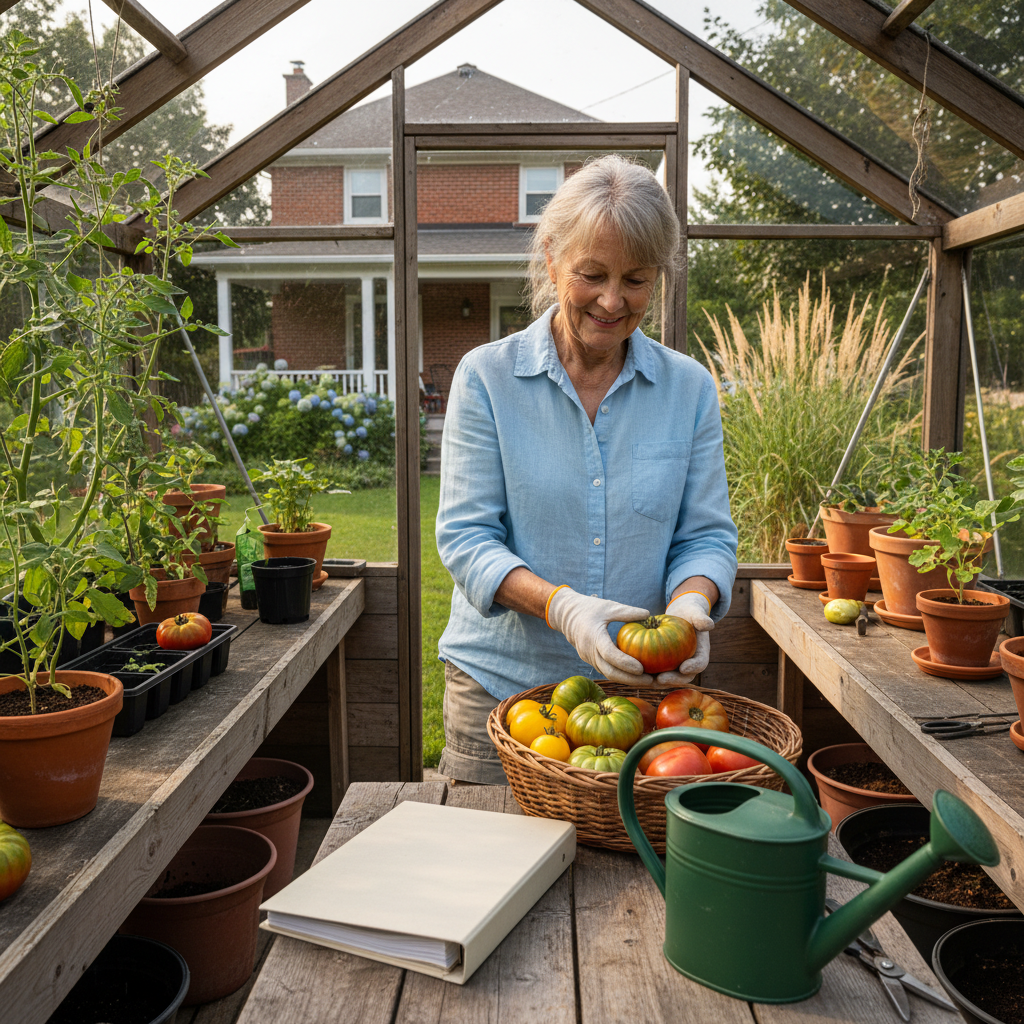
The Home Food Production Movement for Retirees
Home food production is booming among Ontario retirees because it:
- Reduces grocery costs: A well-designed vegetable garden produces $2,000–$4,000 in vegetables annually
- Provides physical activity: Gardening keeps you active without gym membership
- Improves mental health: Connection to nature, sense of purpose, accomplishment
- Ensures food security: Control over what you eat; no chemical concerns
- Creates social opportunities: Sharing produce with neighbors and family
Yet, proper infrastructure requires capital investment that many retirees can't afford upfront from fixed incomes.
What Modern Home Food Production Actually Costs
Serious home food production involves more than a few tomato plants. Here's what professional-grade systems cost:
Greenhouse Infrastructure
| Component | Cost Range | Notes |
|---|---|---|
| Prefab greenhouse (8'x10' to 12'x16') | $2,000–$5,000 | Year-round growing; ventilation/heating included |
| Foundation/leveling | $500–$1,500 | Gravel, concrete pad, or elevated base |
| Shade cloths and thermostat controls | $300–$800 | Prevents overheating in summer |
| Shelving and benches | $400–$800 | Maximizes growing space |
| Drip irrigation system | $500–$1,200 | Water-efficient, reduces labor |
| Heating system (if needed) | $1,000–$3,000 | For winter growing in Ontario |
| Total greenhouse investment | $4,700–$12,300 | — |
Outdoor Garden Infrastructure
| Component | Cost Range | Notes |
|---|---|---|
| Raised garden beds (8–12 beds, 4'x8') | $2,000–$4,000 | Cedar or composite; includes soil |
| Fencing (deer/rabbit protection) | $1,500–$3,000 | Protects investment from wildlife |
| Irrigation system (drip + timer) | $800–$1,500 | Automatic watering while away |
| Tool shed for storage | $1,500–$3,000 | Organized, accessible storage |
| Composting system | $500–$1,200 | Recycles nutrients; reduces waste |
| Pathways (accessibility-friendly) | $1,000–$2,000 | Wide, level, easy navigation |
| Total outdoor garden investment | $7,300–$14,700 | — |
Hydroponic/Vertical Systems (Optional)
| Component | Cost Range | Notes |
|---|---|---|
| Hydroponic growing system | $1,500–$4,000 | No-soil, water-efficient growing |
| Grow lights and timers | $600–$1,500 | For indoor vertical gardens |
| Nutrient solutions and supplies | $200–$500 annually | Ongoing; reusable system |
| Total hydroponic investment | $2,300–$6,000 | — |
Combined realistic investment for comprehensive home food production: $12,000–$25,000
This is why reverse mortgages are valuable for this purpose: you get your infrastructure installed and producing food immediately, rather than saving for years.
How Much Food Can You Actually Produce?
This is the financial return on your investment:
Outdoor Garden Productivity
A modest 12-bed raised garden (4'x8' each) produces annually:
| Vegetable | Per-Bed Yield | Annual Cost (Store) | Garden Cost (Seed) |
|---|---|---|---|
| Tomatoes | 50–100 lbs | $200–$400 | $5 |
| Peppers | 30–50 lbs | $150–$250 | $5 |
| Lettuce/greens | 40–60 lbs | $200–$300 | $10 |
| Zucchini | 60–80 lbs | $180–$240 | $5 |
| Beans | 40–60 lbs | $150–$200 | $10 |
| Carrots | 50–75 lbs | $125–$200 | $5 |
| Cucumbers | 40–60 lbs | $160–$240 | $5 |
| Herbs | Variable | $50–$100 | $10 |
| Annual production value | ~400–550 lbs | ~$1,215–$1,930 | ~$55 |
Net annual savings: $1,200–$1,900 (minus water, soil amendments, labor time)
Over 10 years, a $15,000 investment in garden infrastructure generates $12,000–$19,000 in fresh produce value—essentially paying for itself while improving your health and diet.
Greenhouse Productivity
A well-maintained 10'x12' greenhouse in Ontario produces:
- Spring/Fall/Winter: 250–400 lbs of vegetables (extending season by 6 months)
- Summer: 150–250 lbs (greenhouse used for herbs, salads, specialty crops)
- Annual productivity: 400–650 lbs
- Estimated value: $1,600–$2,600 annually
A $6,000 greenhouse investment generates $1,600–$2,600/year, paying for itself in 2.5–4 years of produce production.
Accessibility Considerations for Aging in Place
Home food production must be accessible. Design with these features:
✓ Raised beds 30–36 inches high (waist-level; no bending)
✓ Wide pathways (3–4 feet for walker/wheelchair access)
✓ Level ground (no tripping hazards)
✓ Covered work areas (shade for sun sensitivity; protection from rain)
✓ Automatic irrigation (no hand-watering strain on joints)
✓ Long-handled tools (reduce bending and strain)
✓ Lightweight equipment (easy for aging hands to manage)
✓ Accessible seating (rest while working)
These accessibility features add $2,000–$3,000 to your total investment but make the entire system usable into your 80s and beyond.
Real-World Example: Complete Home Food Production System
You: 72 years old, Ontario, home valued at $600,000
Goal: Year-round food production with minimal labor strain
Investment plan:
- Medium greenhouse (10'x12'): $4,500
- 8 raised garden beds with accessibility modifications: $3,500
- Drip irrigation + automatic watering system: $1,200
- Tool shed and storage: $1,800
- Hydroponic herb system for kitchen: $1,500
- Soil, amendments, seeds, startup supplies: $800
- Total investment: $13,300
Reverse mortgage approach: Borrow $15,000 via reverse mortgage (slight buffer for unexpected costs).
Costs:
- Annual interest at 5.5%: $825
- Loan term: No monthly payments; repayment when you sell or pass
Annual production value:
- Greenhouse produce: $2,000
- Raised garden beds: $1,500
- Herb system: $400
- Total: $3,900 annually
Financial return:
- Year 1: -$825 (interest cost after $3,900 produce value)
- Year 3: +$11,175 cumulative (investment paid off)
- Year 10: +$38,700 cumulative value generated
Beyond financial returns, you gain:
- Daily purpose and engagement
- Physical activity (gardening burns 400–600 calories/hour)
- Mental health benefits (nature connection, accomplishment)
- Family pride (providing food for grandchildren)
- Food security and independence
Comparing Funding Options for Garden Infrastructure
| Option | Upfront Cost | Monthly Impact | Best For |
|---|---|---|---|
| Reverse mortgage lump sum | One-time 5.5% interest | None | Full immediate investment |
| HELOC | Monthly payments ~$75–100 | Budget strain | Spread costs over time |
| Saving gradually | 5-year delay | None if using savings | If you have time to wait |
| Renting land/community garden | $200–400/year | Ongoing | Smaller scale, flexibility |
| DIY slow development | $3,000–5,000 initial | Gradual expansion | Limited scope |
For most retirees, a reverse mortgage for full garden infrastructure is optimal: you invest immediately, enjoy the benefits today, and never make monthly payments.
Potential Drawbacks to Consider
✗ Climate variability: Ontario weather can affect yields (drought, early frost, excessive rain)
✗ Physical labor: Even accessible gardens require some physical exertion
✗ Pests and diseases: Crop failure is possible; not guaranteed returns
✗ Initial learning curve: Becoming a productive gardener takes skill development
✗ Interest accumulates: $15,000 borrowed at 5.5% costs $825/year
Frequently Asked Questions
Can I generate enough food to be self-sufficient?
Partial self-sufficiency is realistic (30–50% of vegetable needs). Complete self-sufficiency requires significant land and expertise. Most Ontario retirees use home gardens to supplement store purchases, reducing costs and increasing freshness.
What happens if I move or downsize before the garden produces full value?
Your home's value likely increased due to the improved landscape and garden features (real estate data shows this). When you sell, the garden infrastructure benefits the property value. The reverse mortgage is satisfied from sale proceeds.
Can I hire help for the physical labor?
Absolutely. Budget $500–$1,500 annually for seasonal help (spring planting, fall harvest). Many retirees find this balanced: you do light maintenance; professionals handle heavy work.
What about Ontario's growing season and climate?
Ontario's 120–140 day frost-free season is perfect for many crops. Greenhouses extend the season to 8–9 months. Cool-season crops (lettuce, kale) even grow through winter in protected systems.
Will a garden reduce my home's value when I sell?
Generally no. Well-designed, maintained gardens often increase home value. Overgrown, neglected gardens might reduce it. Maintain your garden; when selling, it becomes an asset.
Can I involve grandchildren in the garden?
Absolutely. Many retirees say that gardening with grandchildren is one of the greatest joys. It teaches where food comes from, provides physical activity, and creates family memories.
The Bigger Picture: Food Security and Independence
In retirement, control over your food—knowing what's in it, how it's grown, ensuring freshness—becomes increasingly important. Home food production reclaims that control.
For Ontario seniors, especially those with mobility limitations, a well-designed home food production system enables:
- Aging in place: Stay home while producing your own food, increasing independence
- Health improvement: Fresh produce has superior nutritional value; activity from gardening supports wellbeing
- Social connection: Sharing produce with neighbors and family strengthens community
- Mental engagement: Gardening provides intellectual stimulation (problem-solving, learning)
According to Health Quality Ontario, seniors who engage in gardening report:
- 40% higher life satisfaction
- 30% improvement in physical strength
- 25% reduction in depression and anxiety
- 50% increased social engagement
Next Steps
- Assess your space: How much land do you have? What's the sunlight exposure?
- Define your goals: Year-round food? Specific crops? Level of self-sufficiency?
- Get quotes: Contact 2–3 greenhouse companies and garden designers in Ontario
- Calculate your investment: Total cost for desired infrastructure
- Contact Rick Sekhon Reverse Mortgages: Get a quote for the funding
- Design accessibility: Work with designer to ensure the system is usable for you
- Install and begin: Get your system operational and start producing food
Home food production is one of the most rewarding investments Ontario retirees can make. A reverse mortgage can make it immediately possible.
Ready to grow your own food? Get your free Ontario Reverse Mortgage Guide →
Ready to Learn More?
Get the free Ontario Reverse Mortgage Guide and find out exactly how much you could unlock from your home.
Get My Free Guide →Related Articles
Home Renovations for Aging in Place: Reverse Mortgage to Fund Safety
Aging in place requires accessible homes. Discover how a reverse mortgage can fund grab bars, accessible bathrooms, walkways, and modifications to stay safely in your Ontario home longer.
Read →Using a Reverse Mortgage as an Emergency Fund in Retirement
Discover how a reverse mortgage can serve as an emergency fund in retirement for Ontario seniors. Compare options, costs, and setup strategies.
Read →Aging in Place with a Reverse Mortgage: Home Modification Guide
How Ontario seniors can fund aging-in-place home modifications with a reverse mortgage — costs, top modifications, grants, and a complete planning guide.
Read →