
Using a Reverse Mortgage for Estate Equalization: Helping One Child More Than Another
Guide to using home equity to equalize inheritance among adult children. Fair distribution strategies when children have different needs and circumstances.
"I want to help my struggling adult child, but it wouldn't be fair to my other children." This dilemma faces many Ontario parents. One child may be facing financial hardship while siblings are doing well. A reverse mortgage can enable you to help NOW while your other children still receive a fair inheritance later.
This article is for educational purposes only and does not constitute financial advice.
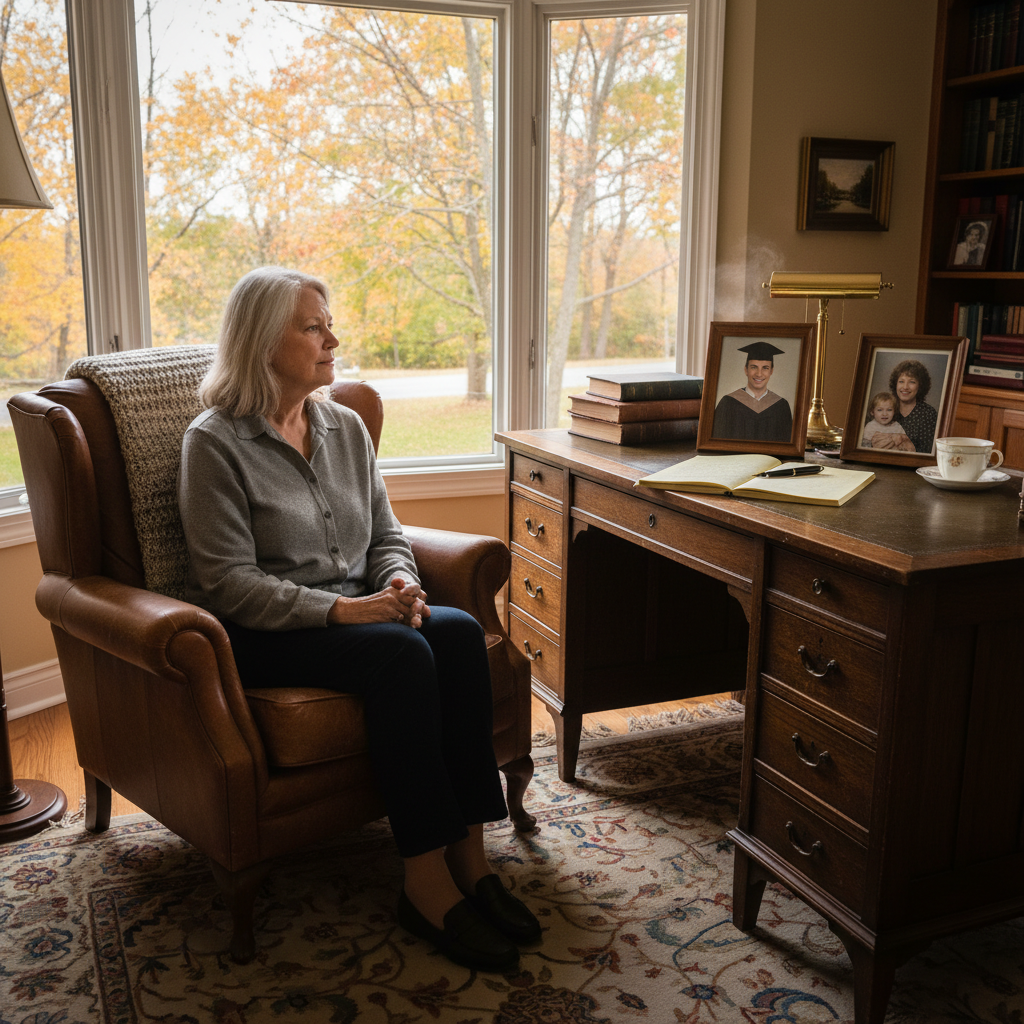
This guide explores how to use home equity strategically to achieve fairness among adult children.
The Estate Equalization Challenge
Consider this realistic scenario:
Your situation:
- Home worth: $650,000
- Three adult children
- Child A: Facing job loss, needs $50,000
- Child B: Financially stable, good income
- Child C: Financially stable, good income
The dilemma:
- If you gift $50,000 to Child A now, is this a "loan" or a gift?
- Will Children B and C feel it's unfair?
- Should you mention it in your will?
- How do you balance fairness with compassion?
A reverse mortgage solves this by allowing you to give NOW while still leaving an inheritance for everyone.
How a Reverse Mortgage Enables Equalization
Without a Reverse Mortgage:
Home Value: $650,000
All equally split 3 ways = $216,667 each
If you gift $50,000 to Child A now:
Child A ends up with: $216,667 + $50,000 = $266,667 (less fair)
Children B & C end up with: $216,667 each (resentment)
With a Reverse Mortgage:
Home Value: $650,000
Reverse Mortgage Drawn: $50,000 (gift to Child A)
Remaining Home Value: $600,000
Remaining to split 3 ways = $200,000 each
Child A: $50,000 (gift) + $200,000 (inheritance) = $250,000
Children B & C: $200,000 each (equal, fair)
Total payout = $650,000 (same as before)
RESULT: All children see fair treatment
The reverse mortgage allows you to FRONT the money to the child who needs it, while preserving equality in the eventual estate distribution.

Common Equalization Scenarios
Scenario 1: One Child Facing Financial Crisis
| Child | Situation | Your Help | Result |
|---|---|---|---|
| A | Divorced, struggling | $60,000 gift (via RM) | Recovered financial stability |
| B | Stable career | Equal inheritance | Fairness maintained |
| C | Stable career | Equal inheritance | Fairness maintained |
Advantage: The child who needs help gets it. Others understand the fairness. Key: Be transparent with ALL children about your approach.
Scenario 2: One Child's Special Needs
| Child | Situation | Your Help | Result |
|---|---|---|---|
| A | Disability, extra care needs | $80,000 (lifelong support fund) | Long-term care funded |
| B | Able-bodied | Equal inheritance | Fairness maintained |
| C | Able-bodied | Equal inheritance | Fairness maintained |
According to research on family financial dynamics, transparent discussion about special needs typically reduces conflict and increases fairness perception.
Scenario 3: One Child Supporting Aging Parent
| Child | Situation | Your Help | Result |
|---|---|---|---|
| A | Caregiving (lost income) | $40,000 (support for unpaid work) | Recognition + financial recovery |
| B | Not involved in care | Equal inheritance | Fairness recognized |
| C | Not involved in care | Equal inheritance | Fairness recognized |
The Estate Documentation Approach
Critical step: Document your intentions in writing.
Create a Letter of Instruction that explains your reasoning to all adult children:
"To my children: I have decided to gift $50,000 to your sibling through a reverse mortgage. This reflects their current financial need, not favoritism. When my estate is settled, the remaining home equity will be divided equally among all of you. I have adjusted my will to reflect this approach. This is my way of helping in a time of need while ensuring fairness."
This letter: ✓ Explains your thinking ✓ Reduces resentment among other children ✓ Removes ambiguity ("Did Mom intend this as a loan?") ✓ Provides closure and acceptance
Tax Implications of Gifts vs. Loans
If you gift (don't expect repayment):
- No tax to you (gifts are not taxable income)
- No tax to recipient (gifts are not taxable income)
- Clear in your will and estate documents
- Demonstrates fairness when combined with equal inheritances
If you loan (expect repayment):
- No tax to either party IF there's no interest charged
- If you charge interest, it becomes taxable income to you
- You can forgive the loan in your will (becomes a gift)
- Can cause family conflict if expectations aren't clear
Best practice: Use gifts (not loans) when equalizing. Then adjust inheritances so all children come out equal.

Alternative to Reverse Mortgage: Life Insurance
Some parents use life insurance instead of reverse mortgages to equalize:
Approach: Borrow now against home equity (via HELOC), use funds to help child, pay life insurance premiums, life insurance covers the debt at death.
Pros:
- Doesn't tie up home equity
- Preserves full inheritance for all children
Cons:
- Requires health approval and premiums
- More complex to manage
- More expensive if you're older (85+)
Most parents prefer the reverse mortgage approach because it's simpler and requires no health approval.
Communication Strategy
Before you act:
- Consult an estate lawyer — Clarify your intentions in your will
- Think through fairness — Is this truly equitable?
- Consider telling all children — Transparency reduces conflict
- Document in writing — Letter of instruction is essential
If you decide to help:
- Tell the child you're helping — Explain this is a gift, not income-based favor
- Tell the other children — Explain the overall estate plan maintains fairness
- Update your will — Adjust distributions if needed
- Provide a copy to your executor — They'll need to understand your approach
What About Fairness in Your Own Mind?
Some parents struggle with the guilt of helping one child more than another. Consider:
✓ Fairness ≠ Equality. Fair means meeting each child's actual needs. If one child faces hardship, helping them is fair — not unfair to siblings.
✓ Children understand differences. Adult children usually understand that their siblings face different circumstances. Transparency about your reasoning builds acceptance.
✓ You're not punishing other children. If they receive equal inheritance AFTER you help their sibling, they're not worse off. They understand the help wasn't taken FROM them.
Frequently Asked Questions
Is it better to help my child now or leave more inheritance?
Helping now allows your child to benefit while you're alive. You get to see the positive impact. Many parents prefer this to waiting. The reverse mortgage makes this possible while preserving equal inheritance.
Should I tell my adult children about the gift before I give it?
Yes, but timing matters. If you discuss it first, be prepared for pushback. Some advisors recommend discussing your OVERALL estate plan (showing equalization) rather than the specific gift amount.
What if one child says it's unfair?
Calmly explain your philosophy: "I'm helping your sibling meet an immediate need. Your inheritance is unaffected. This is fair — it's meeting actual needs, not creating inequality."
Can I make a gift conditional (like "only if you don't tell your siblings")?
No. Conditional gifts create conflict and secrecy. Be transparent. Secrecy is what causes family rifts.
What if I feel guilty about favoring one child?
Talk to a counselor or therapist. Parental guilt is normal but shouldn't drive financial decisions. Make decisions based on fairness and meeting actual needs.
Consult an estate planning lawyer and financial advisor for guidance specific to your family situation.
A reverse mortgage allows you to be generous to children facing hardship while maintaining fairness for all. Combined with transparent communication and proper estate documentation, it becomes a tool for family harmony rather than conflict.
Get your free Ontario Reverse Mortgage Guide →
This content is for illustrative purposes only. Rates may vary. Call Rick Sekhon for the best rates and more information.
Ready to Learn More?
Get the free Ontario Reverse Mortgage Guide and find out exactly how much you could unlock from your home.
Get My Free Guide →Related Articles
Gift Home Equity to Your Children: Reverse Mortgage for Living Legacy
Help your adult children while you're alive by gifting home equity through a strategic reverse mortgage. Experience the joy of seeing your generosity in action.
Read →Reverse Mortgage for an Early Inheritance: Gifting Equity to Children
Use a reverse mortgage for an early inheritance gift to children. Learn Canada's tax-free gifting rules, attribution risks, and estate planning considerations.
Read →Reverse Mortgage for Workplace Injury Recovery: Supporting Adult Child's Career Transition
Help your adult child rebuild their career after workplace injury. Learn how reverse mortgages fund recovery, retraining, and financial stability during career transition.
Read →