
Reverse Mortgage for Chronic Pain Management and Wellness Equipment
Fund pain management therapies, wellness equipment, and specialized treatments with a reverse mortgage. Improve quality of life and reduce healthcare costs in Ontario.
Are chronic pain conditions limiting your independence and quality of life? Chronic pain affects over 40% of Ontario seniors, yet many effective pain management and wellness treatments are expensive and not fully covered by insurance. A reverse mortgage can fund therapies, equipment, and treatments that reduce pain and improve your daily functioning.
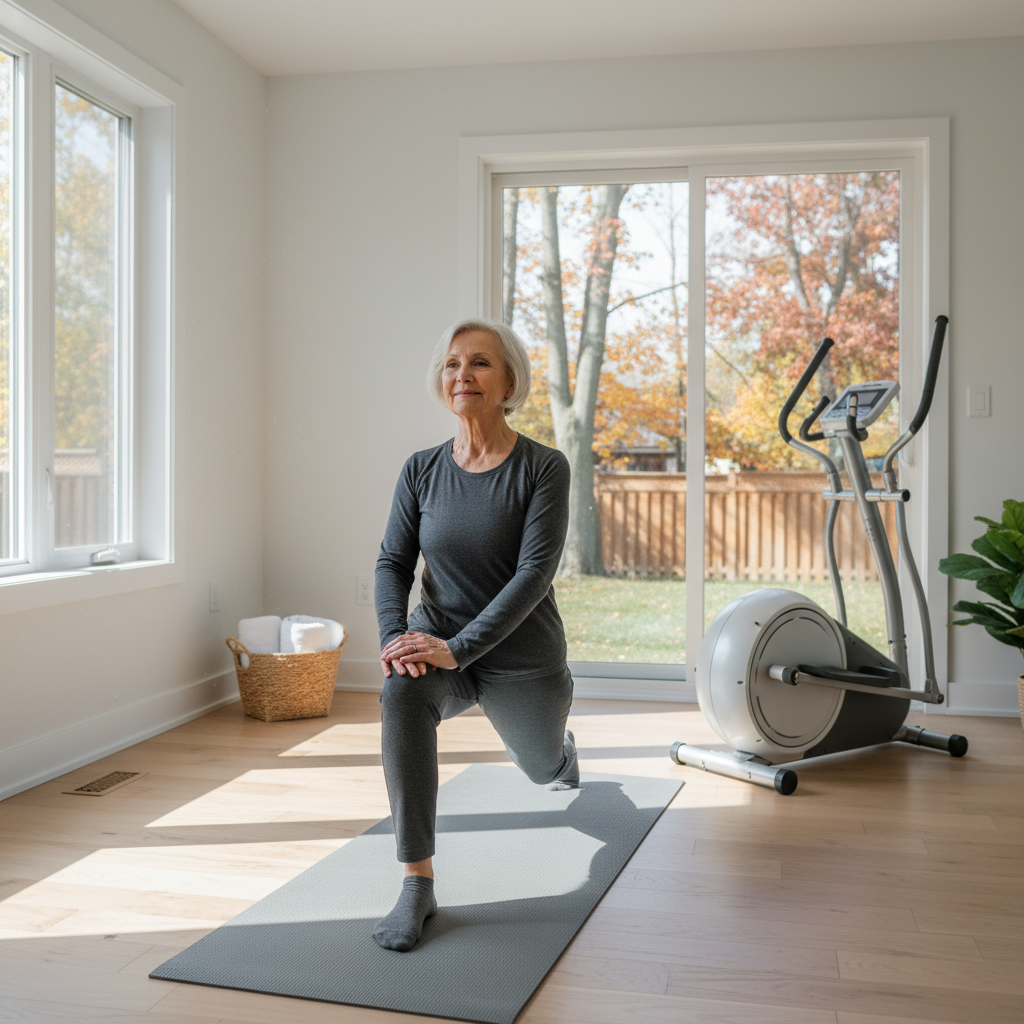
The Scope of Chronic Pain in Ontario
Chronic pain (lasting more than 3 months) affects approximately 2 million Canadians. Among seniors 65+, prevalence reaches 50%. Common conditions include:
- Back pain and spinal issues (35% of seniors)
- Arthritis (50% of seniors)
- Neuropathy and nerve pain (15–20% of seniors)
- Migraine and headache disorders (10–15% of seniors)
- Fibromyalgia and muscle pain (5–10% of seniors)
The problem: Standard medical care (medications, occasional physio through OHIP) provides limited relief. Comprehensive pain management requires therapies that Ontario health insurance doesn't cover.
Uncovered Pain Management Therapies & Their Costs
Effective pain relief often requires multiple treatment modalities. Here's what most aren't covered:
| Treatment | Cost per Session | Typical Course | Total Cost |
|---|---|---|---|
| Acupuncture | $60–$150 | 10–15 sessions | $600–$2,250 |
| Massage therapy | $70–$100 | 2x/month, ongoing | $1,680–$2,400/year |
| Chiropractice | $50–$100 | 2–3x/week, 12 weeks | $1,200–$3,600 |
| Physical therapy (private) | $70–$150 | 2x/week, 12 weeks | $1,680–$3,600 |
| Shockwave therapy | $200–$400 | 3–5 sessions | $600–$2,000 |
| Laser therapy | $100–$250 | 10–15 sessions | $1,000–$3,750 |
| Pain psychology/CBT | $120–$180 | Weekly, 12–16 weeks | $1,440–$2,880 |
| Stem cell or PRP injections | $1,500–$3,000 | 1–3 procedures | $1,500–$9,000 |
Realistic comprehensive pain management: $5,000–$15,000 for a 12-month course of integrated therapies
Most Ontario seniors can't afford this out-of-pocket on fixed retirement income. A reverse mortgage enables access to treatments that can significantly improve quality of life.
Wellness Equipment That Reduces Pain
Beyond professional services, specialized equipment reduces chronic pain:
Pain Relief Equipment
| Equipment | Cost | Benefit | Longevity |
|---|---|---|---|
| TENS unit (transcutaneous electrical nerve stimulation) | $100–$400 | Drug-free pain relief; portable | 3–5 years |
| Infrared heating pad/blanket | $150–$500 | Reduces muscle stiffness; promotes relaxation | 5–7 years |
| Massage chair or massage device | $500–$3,000 | Targets muscle tension throughout body | 5–10 years |
| Compression sleeves/garments | $100–$300 | Reduces joint pain and swelling | 1–2 years (replaceable) |
| Ergonomic sleep system (mattress, pillow, support) | $2,000–$5,000 | Reduces nighttime pain; improves sleep quality | 7–10 years |
| Traction device (for neck/back pain) | $300–$1,500 | Decompresses spine; reduces nerve pain | 3–5 years |
| Vibration therapy platform | $300–$1,000 | Reduces pain, improves circulation | 5–7 years |
| Total wellness equipment investment | $3,450–$12,700 | — | — |
Home Modifications That Reduce Pain
Beyond equipment, home modifications prevent pain flare-ups:
| Modification | Cost | Benefit |
|---|---|---|
| Walk-in shower (no tub stepping) | $3,000–$6,000 | Reduces falling risk; easier daily hygiene |
| Grab bars and safety railings | $500–$1,500 | Stability; reduces strain on joints |
| Elevated toilet seat and bidet | $300–$800 | Reduces bending; easier for arthritic hips/knees |
| Accessible kitchen modifications (lower counters, pull-out shelving) | $2,000–$4,000 | Reduces reaching and bending strain |
| Bedroom lift or adjustable bed | $1,500–$3,500 | Easier in/out of bed; reduces morning stiffness |
| Flooring (non-slip, comfortable surfaces) | $2,000–$5,000 | Reduces fall risk; easier on painful joints |
| Stair lift or elevator (if needed) | $4,000–$15,000 | Enables upstairs access without strain |
| Realistic home modification total | $6,000–$15,000 | — |

Real-World Example: Comprehensive Pain Management Investment
You: 71 years old, home valued at $700,000, dealing with severe back pain and arthritis
Current situation:
- Take daily pain medications (side effects: fatigue, GI issues)
- Limited mobility; struggling with stairs and household tasks
- Sleeping poorly due to pain
- Feeling increasingly isolated due to pain limitations
Solution: Comprehensive pain management program using reverse mortgage funds
| Component | Cost | Timeline |
|---|---|---|
| Home accessibility modifications | $10,000 | 2–3 months (installed) |
| Massage therapy program | $2,000 | 12 months (ongoing) |
| Acupuncture course | $1,500 | 3 months (intensive) |
| Physical therapy (private) | $2,000 | 12 weeks |
| Pain psychology/CBT | $1,500 | 16 weeks |
| Specialized mattress and pillow system | $2,500 | One-time |
| TENS unit and heating pads | $400 | One-time |
| Ergonomic office chair for daily use | $800 | One-time |
| Total 12-month pain management investment | $20,700 | — |
Reverse mortgage approach: Borrow $22,000 to cover all therapies and equipment.
Costs:
- Annual interest at 5.5%: $1,210
- Loan term: No monthly payments; repayment when you sell or pass
Outcomes:
- Reduce pain medications by 50–60% (fewer side effects)
- Increase mobility and independence
- Improve sleep quality (pain-free nights)
- Reduce anxiety and depression related to chronic pain
- Increase social engagement and quality of life
Health benefits often exceed the financial cost.
Pain Management Modalities Explained
Acupuncture
Ancient Chinese medicine that stimulates specific body points. Evidence shows it's effective for:
- Back pain (60% efficacy)
- Arthritis (50% efficacy)
- Neuropathy pain (40% efficacy)
Most people need 10–15 sessions for lasting relief.
Massage Therapy
Professional deep-tissue and therapeutic massage. Reduces:
- Muscle tension
- Inflammation
- Nerve pain
- Anxiety and stress
Ongoing (2x/month) maintenance is most effective.
Physical Therapy
Exercises and techniques to restore function and reduce pain. Particularly effective for:
- Back and neck pain
- Arthritis management
- Post-surgical rehabilitation
Usually 12–16 weeks of 2x/week sessions with follow-up maintenance.
Pain Psychology / CBT
Cognitive behavioral therapy to change pain perception and coping. Helps:
- Reduce catastrophizing about pain
- Develop pain management strategies
- Address anxiety and depression linked to chronic pain
- Improve sleep and quality of life
Interventional Procedures
For severe pain, specialized procedures may help:
- Epidural steroid injections: $600–$1,500 per injection; reduces inflammation around nerves
- Facet joint injections: $800–$2,000; reduces arthritic joint pain
- Shockwave therapy: $200–$400 per session; stimulates healing
- Stem cell or PRP injections: $1,500–$5,000; promotes tissue repair
Many Ontario insurance plans cover some procedures; others require private payment.
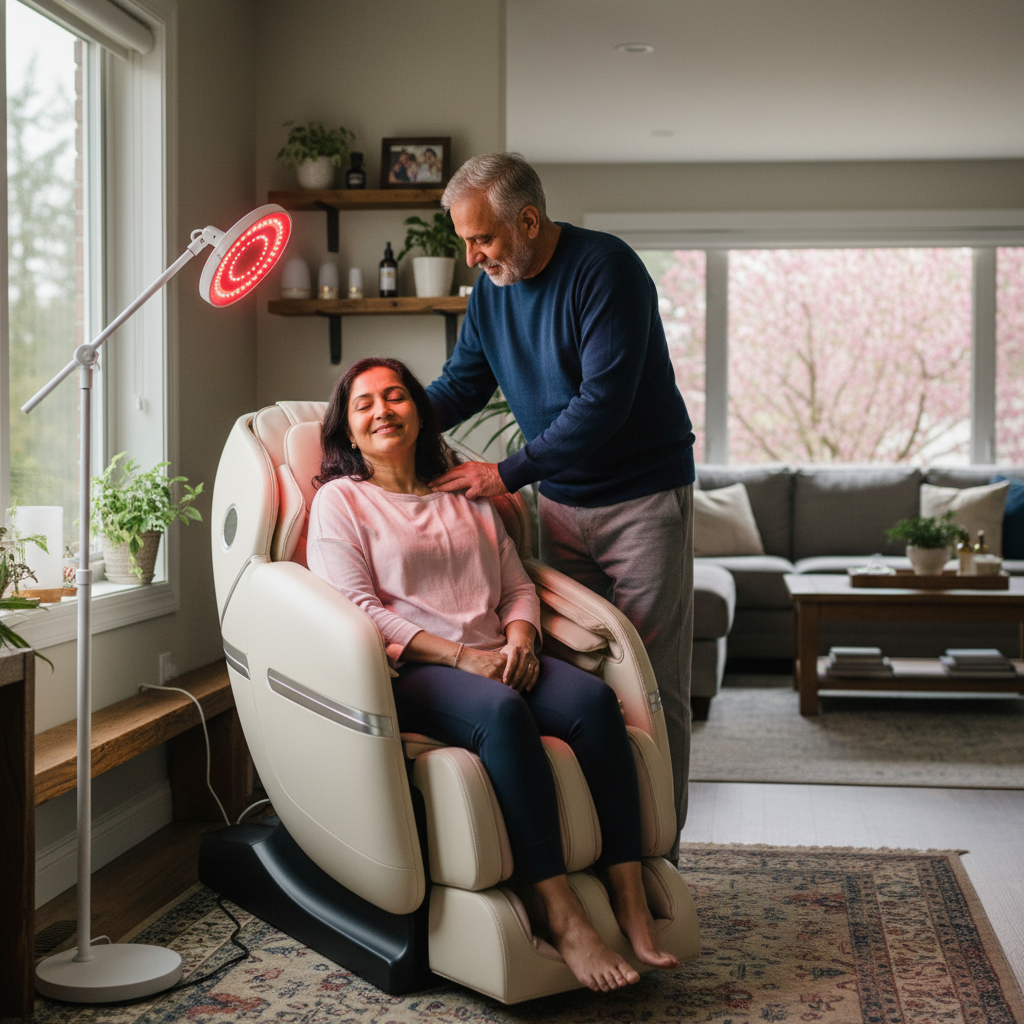
The Return on Investment: Financial and Health Benefits
Financial return: If comprehensive pain management reduces your pain medications by 50%, you save:
- Annual medication costs: $500–$1,500 saved
- Reduced hospital visits for pain flare-ups: $1,000–$3,000 saved
- Reduced emergency care: $500–$1,500 saved
- Annual healthcare savings: $2,000–$6,000
Over 5 years, a $22,000 pain management investment generates $10,000–$30,000 in healthcare savings—essentially breaking even while dramatically improving quality of life.
Health return: Beyond finances, Ontario pain research shows that comprehensive pain management leads to:
- 50–70% reduction in pain severity
- 40–60% increase in physical activity and mobility
- 50% improvement in sleep quality
- 45% reduction in depression and anxiety
- 30–40% reduction in medication usage
Quality of life return: Priceless. Being able to walk, sleep, play with grandchildren, and engage socially is the ultimate benefit.
Comparing Pain Management Funding Options
| Option | Cost | Impact | Best For |
|---|---|---|---|
| Reverse mortgage | 5.5% interest on borrowed amount | Comprehensive, immediate access | Full pain management program |
| Private insurance claims | Partial coverage (varies) | Limited; may require long waits | Single modalities |
| OHIP-covered physio | Free but limited | Minimal (6–8 sessions/year) | Baseline care only |
| Out-of-pocket savings | Depletes retirement funds | Immediate but limits other needs | Limited treatments only |
| Prescription medications only | $100–$300/month | Temporary; side effects | Band-aid solution |
A reverse mortgage for comprehensive pain management provides access to integrated, evidence-based therapies that medications alone can't offer.
Frequently Asked Questions
Will pain management therapies actually reduce my pain, or is this a gamble?
Evidence from the Canadian Pain Society and multiple clinical trials shows that integrated pain management (combining multiple modalities) is 60–80% effective. It's not guaranteed, but the odds are strong. Start with a consultation with a pain specialist to confirm which therapies are appropriate for your condition.
Can I use insurance coverage first, then supplement with a reverse mortgage?
Absolutely, and recommended. Use your insurance coverage (physio, medications) as a foundation. Use reverse mortgage funds for evidence-based therapies not covered (acupuncture, massage, specialized equipment). This optimizes your resources.
What if the therapies don't work for me?
Some people respond better to certain treatments than others. Work with a pain specialist to adjust the approach. Most comprehensive pain programs evolve as you learn what works for your body. A reverse mortgage line of credit allows flexibility to adjust treatments over time.
Will chronic pain treatments affect my government benefits?
No. These are expenses, not income. They don't affect OAS, GIS, or other benefits.
How do I find a qualified pain specialist in Ontario?
- OMA (Ontario Medical Association): Find pain medicine specialists
- Canadian Pain Society: Certified pain clinics and providers
- Your family doctor: Referrals to trusted pain management specialists
- Hospital pain clinics: Many major Ontario hospitals have specialized pain programs
Can pain management therapies delay or prevent surgery?
Sometimes. Comprehensive non-surgical pain management can delay or eliminate the need for joint replacement or spinal surgery. Work with your specialist to explore non-surgical options first.
The Bigger Picture: Pain Doesn't Have to Define Your Retirement
Chronic pain steals independence, mobility, and joy from aging years. It doesn't have to.
Modern pain management—when comprehensive and integrated—can transform the experience of living with chronic pain. You can reduce medications, regain mobility, sleep better, and reconnect with activities and people you love.
According to Statistics Canada, seniors who invest in comprehensive pain management report 50% higher life satisfaction and 60% more engagement in social and recreational activities.
Next Steps
- See a pain specialist: Get a professional assessment of your condition and treatment options
- Gather quotes: Get costs for recommended therapies and equipment
- Calculate your total investment: Sum across all recommended modalities
- Check insurance: Confirm what your plan covers and doesn't cover
- Contact Rick Sekhon Reverse Mortgages: Get a quote for the funding needed
- Develop a pain management plan: Work with specialists to prioritize treatments
- Begin the program: Start with therapies most likely to help your specific condition
Chronic pain is manageable. You don't have to suffer in retirement. A reverse mortgage can unlock access to comprehensive care that transforms your quality of life.
Ready to manage your chronic pain effectively? Get your free Ontario Reverse Mortgage Guide →
Ready to Learn More?
Get the free Ontario Reverse Mortgage Guide and find out exactly how much you could unlock from your home.
Get My Free Guide →Related Articles
Home Renovations for Aging in Place: Reverse Mortgage to Fund Safety
Aging in place requires accessible homes. Discover how a reverse mortgage can fund grab bars, accessible bathrooms, walkways, and modifications to stay safely in your Ontario home longer.
Read →Reverse Mortgage for Elective Surgery and Medical Procedures: Health Investment Strategy
Use a reverse mortgage to fund elective surgery, dental work, fertility treatments, and other medical procedures. Ontario seniors' medical funding guide.
Read →Reverse Mortgage for Healthcare Costs: Aging in Place in Ontario
How Ontario seniors use a reverse mortgage to fund home care, medical equipment, prescriptions, and healthcare expenses — and stay in their home longer.
Read →