
Reverse Mortgage for Your Home-Based Boutique Vacation Rental Business
Start a boutique vacation rental business using your home as the foundation. Reverse mortgage funds renovations, furnishings, and operational setup for rental income.
Could your home support a boutique vacation rental business that generates ongoing retirement income? The short-term rental market is booming in Ontario, and homeowners with attractive homes can earn $30,000–$60,000+ annually from Airbnb, Airbnb Plus, or dedicated platform listings. A reverse mortgage funds the renovations and furnishings required to reach "premium" status—higher nightly rates, consistent bookings, and sustainable retirement income without working full-time.
This article is for educational purposes only and does not constitute financial advice.
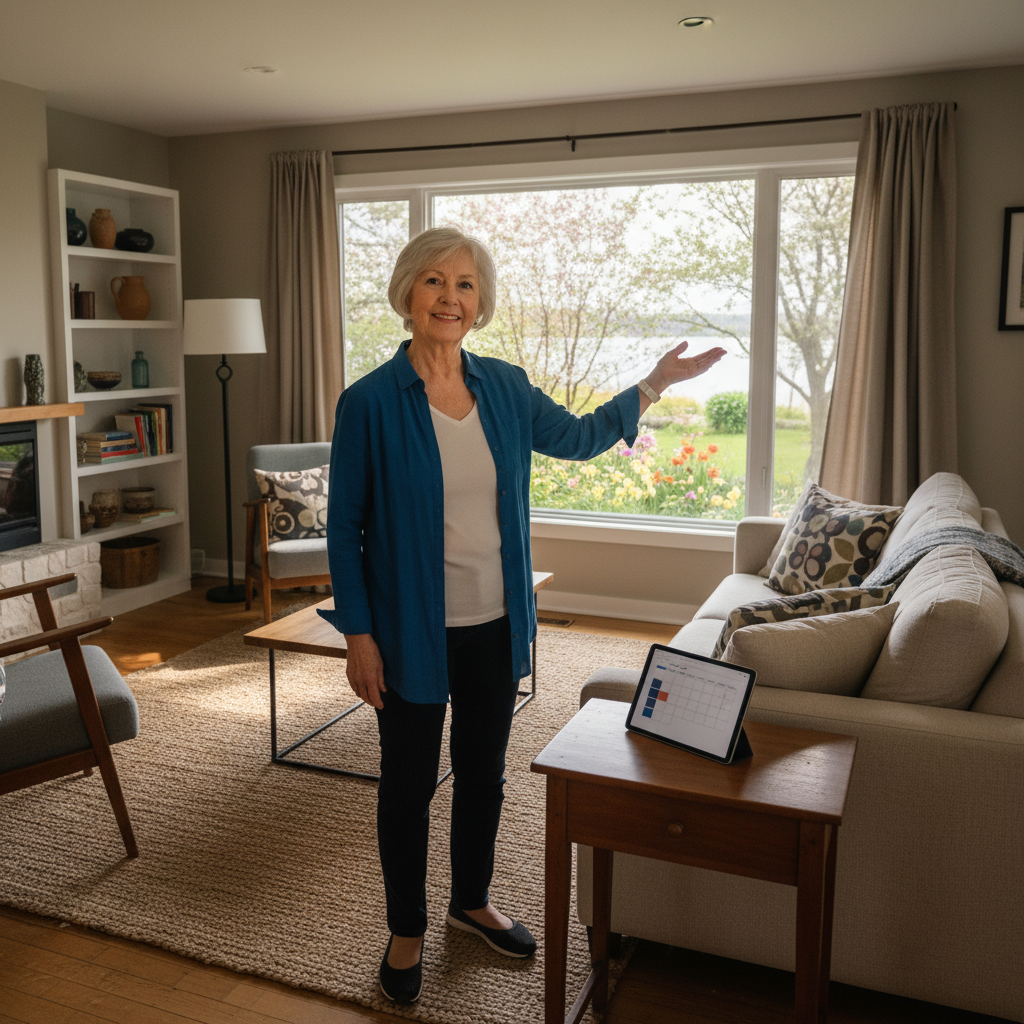
The Boutique Rental Market Opportunity in Ontario
The short-term rental market has transformed Ontario real estate into an income-generating asset for retirees. Premium "boutique" rentals—thoughtfully designed, well-amenitied homes—command dramatically higher nightly rates and attract loyal repeat guests.
Boutique Rental Income Potential
| Property Type | Annual Occupancy | Nightly Rate | Annual Gross Revenue |
|---|---|---|---|
| Basic listing (standard furnishings) | 180–200 nights | $120–$150 | $21,600–$30,000 |
| Upgraded (design touches, amenities) | 220–250 nights | $160–$210 | $35,200–$52,500 |
| Premium boutique (high-end design) | 250–280 nights | $200–$300 | $50,000–$84,000 |
| Luxury boutique (exceptional experience) | 280–300 nights | $300–$450 | $84,000–$135,000 |
The difference between a basic listing and a premium boutique rental is design, amenities, and guest experience—all fundable through a reverse mortgage.
What Makes a Boutique Rental Premium
- Interior design: Cohesive, thoughtful aesthetic; quality furnishings
- Amenities: Hot tub, sauna, chef's kitchen, premium linens, smart home technology
- Outdoor space: Landscaping, fire pit, garden, deck upgrades
- Technology: Smart locks, high-speed internet, streaming services, smart lighting
- Hospitality: Welcome packages, local guides, concierge service
- Photography: Professional images showcasing the home's appeal
These elements require upfront investment ($15,000–$40,000) but pay dividends through higher rates and faster bookings.

Reverse Mortgage Funding for Boutique Rental Setup
A reverse mortgage provides the capital to transform a standard home into a premium boutique rental—without selling the home or dismantling your retirement.
Typical Boutique Rental Startup Costs
| Category | Cost Range | Details |
|---|---|---|
| Interior renovations | $8,000–$20,000 | Kitchen updates, bathroom, fresh paint, flooring |
| Premium furnishings | $5,000–$15,000 | Beds, sofas, dining, lighting, accessories |
| Technology upgrades | $2,000–$5,000 | Smart locks, WiFi, streaming, smart lights |
| Outdoor improvements | $3,000–$10,000 | Deck, landscaping, hot tub, fire pit, furniture |
| Photography & listing | $1,000–$3,000 | Professional photos, platform setup, copywriting |
| Initial supplies & operations | $2,000–$5,000 | Linens, toiletries, cleaning supplies, insurance |
| Property management tools | $500–$2,000 | Software, check-in systems, scheduling |
Total typical investment: $21,500–$60,000 depending on ambition level. Reverse mortgage covers this from home equity.
Financial Model: Boutique Rental Investment Return
An Ontario homeowner, age 62, invests $30,000 via reverse mortgage to upgrade their home to "premium boutique" status:
| Year | Nights Booked | Nightly Rate | Annual Revenue | Operating Costs (30%) | Net Income |
|---|---|---|---|---|---|
| Year 1 (ramp-up) | 200 | $180 | $36,000 | $10,800 | $25,200 |
| Year 2 (optimization) | 240 | $195 | $46,800 | $14,040 | $32,760 |
| Year 3+ (steady state) | 260 | $210 | $54,600 | $16,380 | $38,220 |
By Year 3, the homeowner nets $38,220 annually—completely offsetting the $30,000 reverse mortgage investment. Years 4–10+ generate pure retirement income. After 10 years, total net income exceeds $350,000—transforming a $30,000 investment into transformative retirement income.
Operational Considerations for Boutique Rentals
Running a successful boutique rental requires strategy beyond just upgrading the home.
| Operational Factor | Investment/Time | Impact on Success |
|---|---|---|
| Professional photography | $1,000–$3,000 one-time | 40% increase in booking rate |
| Airbnb Plus verification | $500–$2,000 one-time | Higher rates; premium guest profile |
| Guest communication system | Minimal time; $200–$500 tools | Higher reviews; repeat bookings |
| Cleaning & turnover service | $150–$300 per cleaning | Professional consistency; guest experience |
| Property management company | 15–25% of revenue | Outsourced operations; passive income |
| Maintenance & repairs | 5–10% of revenue + reactive time | Protects guest experience |
| Insurance & permits | $1,500–$3,000 annually | Legal compliance; liability protection |
Many retirees partner with property management companies (handling bookings, cleaning, guest communication) for 15–25% of revenue. This converts the rental into mostly-passive income—you own the asset, collect income, and management company handles day-to-day operations.
According to Airbnb Canada and industry data, hosts who invest in professional design and photography see 35–50% higher nightly rates and 30% faster booking cycles compared to basic listings.
Tax and Legal Considerations
Running a rental business from your home has important tax, insurance, and legal implications.
| Consideration | Impact | Action |
|---|---|---|
| Income reporting | Rental income is taxable | File T776 form with CRA |
| Expense deductions | Utilities, insurance, supplies, cleaning deductible | Keep detailed records |
| Principal residence exemption | May be affected if home is rental | Consult accountant; usually principal residence exemption still applies |
| Property tax | May increase if home is commercial use | Contact municipality; usually residential rate applies |
| Insurance | Standard homeowners insurance won't cover rental activity | Get landlord/rental property insurance ($1,200–$2,500/year) |
| Municipality licensing | Some Ontario municipalities require short-term rental license | Check local bylaws |
Consult a qualified tax advisor and lawyer for guidance specific to your situation.
When a Boutique Rental Makes Sense (And When It Doesn't)
A reverse mortgage-funded boutique rental is excellent for some retirees and wrong for others.
Ideal Situation
- Your home is in a desirable location (tourist area, city with transient professionals, near major attractions)
- You're comfortable with short-term guests and property management
- You want ongoing, flexible retirement income (not lump sum)
- Your home has character/appeal for premium positioning
Poor Fit
- Your home is in a remote or declining area with weak rental demand
- You want absolute privacy and control; strangers stress you
- You need a one-time capital injection (not ongoing income)
- Your home requires constant maintenance or has structural issues
Research your local market before committing. Ask Rick Sekhon for lender guidance; they work with many retirees in the rental business.
Quick Reference: Boutique Rental Reverse Mortgage Strategy
| Question | Answer |
|---|---|
| Best for | Homeowners in desirable locations seeking retirement income |
| Typical investment | $25,000–$50,000 for premium upgrades |
| Payback timeline | 1–2 years; then pure income |
| Annual income potential | $25,000–$50,000+ depending on location |
| Management options | Self-managed or outsourced to property management (15–25% fee) |
| Ongoing costs | Insurance, utilities, cleaning, repairs (typically 30% of revenue) |
Frequently Asked Questions
Can I still live in my home if it's a rental?
Yes. You can rent out part of your home (while you live in another part) or use it seasonally as a primary residence and rent other seasons. Consult bylaws; most Ontario municipalities allow this for owner-occupied properties.
What if a guest damages my home?
Rental property insurance includes damage liability. Additionally, Airbnb provides "Host Protection Insurance" for platform damages. You can require security deposits (typically $500–$1,500). Document everything with photos before guests arrive.
Will rental income affect my OAS or GIS?
Rental income does count as income for OAS/GIS purposes and could trigger clawback. Consult with your accountant about how to manage rental income to minimize benefit reductions.
Is it better to rent my home or to sell and downsize?
This depends on your specific situation. Rental income often exceeds capital gains from selling (especially in strong real estate markets). Plus, you keep your home. Compare both scenarios with a financial advisor.
Do I need to be hands-on, or can this be passive?
You can outsource most operations to a property management company. They handle bookings, guest communication, cleaning, maintenance coordination. You collect income with minimal ongoing involvement. Cost: typically 15–25% of revenue.
Speak to a licensed mortgage professional. Independent legal advice is required before closing a reverse mortgage in Ontario.
The Bottom Line: Your Home as Retirement Income Engine
A reverse mortgage funds the upgrades that transform your home from a residential asset into a revenue-generating retirement income source. Rather than spending your equity and passing a mortgage debt to heirs, you invest in improvements that generate income for your lifetime—then pass a valuable asset to your heirs, reverse mortgage paid off.
This is living legacy with economic return: your home works as hard as you do in retirement.
Get your free Ontario Reverse Mortgage Guide →
This content is for illustrative purposes only. Rates may vary. Call Rick Sekhon for the best rates and more information.
Ready to Learn More?
Get the free Ontario Reverse Mortgage Guide and find out exactly how much you could unlock from your home.
Get My Free Guide →Related Articles
Reverse Mortgage for Home Care Cooperative Startup: Business Model for Aging
Launch a home-based senior care cooperative using reverse mortgage funding. Create employment, serve your community, and build sustainable aging care.
Read →Reverse Mortgage for Business Owner Retirement: Beyond Succession Planning
Business owner retirement strategy using reverse mortgages. Plan your personal transition after selling or transitioning your business.
Read →Reverse Mortgage for Rental Income: Funding Airbnb, Room Rentals, and Property Management
Use a reverse mortgage to fund home renovations, property management, and rental setup for Airbnb or room rental income. Ontario strategy for monetizing home equity in retirement.
Read →