
Reverse Mortgage for Adult Child with Undiagnosed Health Condition: Investigation and Treatment Costs
How Ontario parents can use a reverse mortgage to fund medical investigations, specialist consultations, and treatments for adult children with mysterious or undiagnosed health conditions.
Your adult child has been suffering for months or years—fatigue, pain, cognitive issues, autoimmune symptoms—but no diagnosis. They've seen family doctors who've run basic tests and found nothing. Specialists have waiting lists in Ontario that stretch 6 months to 2 years. Meanwhile, your child struggles with unexplained illness, mounting frustration, and the financial burden of endless investigations.
Many undiagnosed conditions require private specialists, advanced testing (genetic panels, functional medicine labs, imaging), and sometimes treatment in other provinces or cross-border options. Your child is exhausted and broke. You want to help but don't know how. A reverse mortgage can fund the medical investigation and specialty care your child desperately needs.

The Hidden Crisis: Undiagnosed Illness in Adults
Millions of Canadians live with undiagnosed or misdiagnosed conditions. Common examples include:
- Long COVID: Post-viral syndrome causing debilitating fatigue, brain fog, pain; affects hundreds of thousands
- Mast Cell Activation Syndrome (MCAS): Rare immune disorder misdiagnosed as allergies; can be life-threatening
- Ehlers-Danlos Syndrome (EDS): Connective tissue disorder often undiagnosed for decades; severely impacts quality of life
- Complex Regional Pain Syndrome (CRPS): Chronic pain disorder; poorly understood; difficult to diagnose
- Lyme disease & co-infections: Often misdiagnosed or missed; requires specialized testing
- Autoimmune encephalitis: Rare neuroinflammatory condition; frequently misdiagnosed as psychiatric illness
- Gastroparesis & functional GI disorders: Stomach paralysis; often dismissed as IBS
- Myalgic Encephalomyelitis/Chronic Fatigue Syndrome (ME/CFS): Severely debilitating; often unrecognized
- Charcot-Marie-Tooth disease (CMT): Progressive neurological disorder; frequently undiagnosed until severe
The Ontario Healthcare Challenge
Ontario's provincial healthcare system excels at emergency care and common conditions. But for rare, complex, or undiagnosed conditions, it falls short:
- Specialist wait times: 6 months–2+ years for many specialists
- Limited diagnostic testing: Genetic panels, functional medicine labs not covered
- Dismissal of rare diseases: If a doctor hasn't seen it, they often dismiss it as psychological
- No coverage for private specialists: Private medical investigation costs $5,000–$50,000+
- Cross-border testing not covered: Specialized testing in the US or other provinces is out-of-pocket
Result: Adult children with undiagnosed conditions often run out of money before they get answers. They stop investigating, accept disability, and suffer indefinitely.
The Financial Reality of Medical Investigation
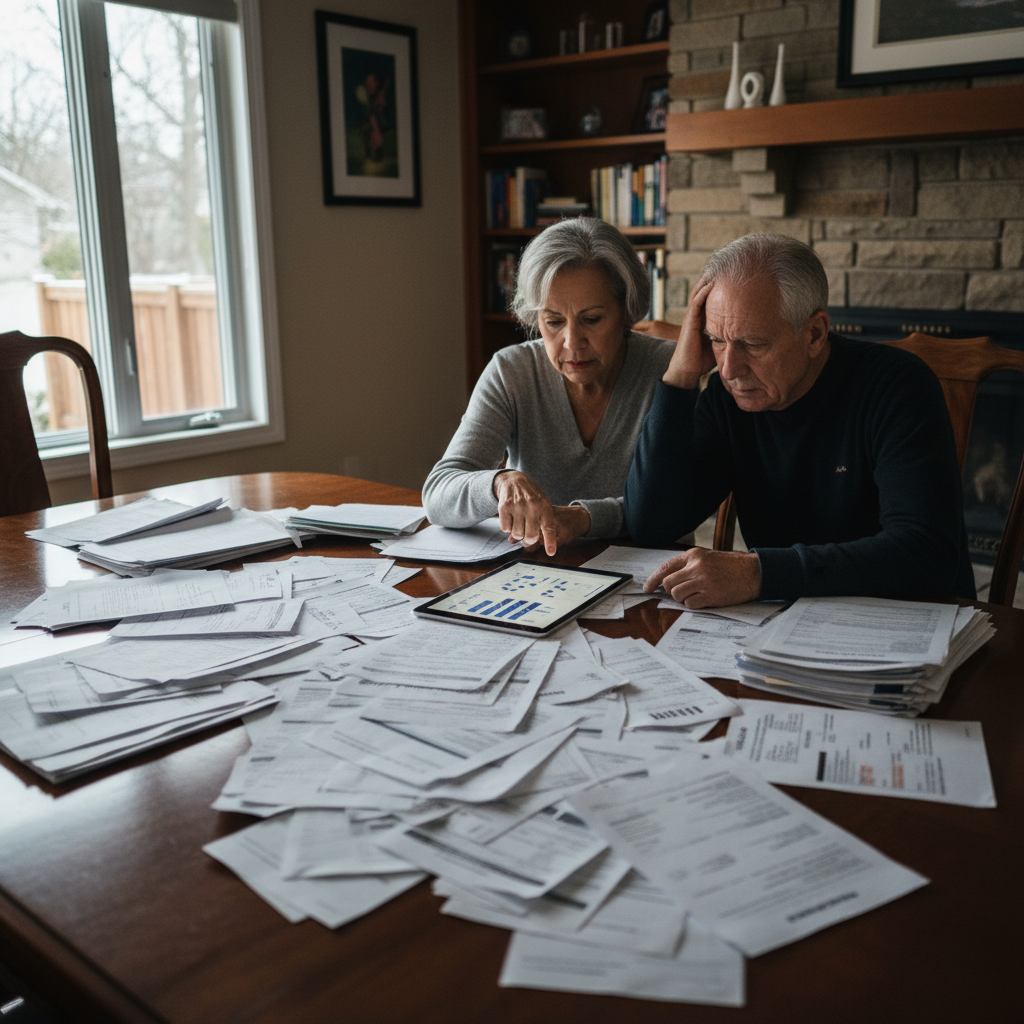
Typical Costs for Diagnostic Investigations
| Investigation Type | Cost Range | Timeline |
|---|---|---|
| Private family doctor consultations | $150–$300 per visit | Ongoing |
| Private specialist consultations | $300–$600 per visit | 2–6 visits typical |
| Advanced bloodwork & testing | $500–$3,000 per panel | 1–4 panels |
| Genetic testing (if indicated) | $2,000–$8,000 | One-time |
| Advanced imaging (MRI, CT, PET scan) | $500–$3,000 per scan | 1–3 scans |
| Functional medicine assessment | $1,000–$2,000 per consultation | 2–4 visits |
| Sleep study (uninsured) | $1,500–$3,000 | One-time |
| Gastrointestinal testing (motility study, endoscopy) | $2,000–$5,000 | One-time |
| Immunology/allergy testing (comprehensive) | $1,500–$4,000 | One-time |
| Neuropsychological testing | $2,000–$4,000 | One-time |
Typical total investigation cost: $10,000–$40,000 to exhaust major diagnostic pathways
For many adult children, this expense is unaffordable. They live with mystery illness rather than investigation.
Treatment Costs (Once Diagnosed)
Once diagnosed, treatment can be expensive:
| Condition | Typical Treatment Cost (First Year) |
|---|---|
| MCAS | Specialty medications, dietary management |
| Ehlers-Danlos Syndrome (EDS) | Genetic counseling, specialist coordination |
| Complex Regional Pain Syndrome (CRPS) | PT, specialized pain management, medications |
| Long COVID | Rehabilitation, specialist care, supplements |
| Lyme disease (late diagnosis) | Extended antibiotic therapy, herbal support |
Total investigation + first-year treatment: $15,000–$50,000
Most adult children simply can't afford this. They accept disability rather than pursue answers.
How a Reverse Mortgage Funds Medical Investigation
A reverse mortgage allows parents to fund comprehensive medical investigation for their adult child without creating debt for the child or draining the parent's retirement income.
Scenario 1: Comprehensive Diagnostic Workup
Situation: Your 32-year-old daughter has had debilitating fatigue, joint pain, and neurological symptoms for 3 years. Provincial healthcare offers no answers. She's given up working and moved back home, financially dependent, emotionally broken.
What she needs:
- Private specialist consultations: $2,000
- Genetic testing panel (if indicated): $4,000
- Advanced immunology/autoimmune testing: $3,000
- Functional medicine assessment: $2,000
- Sleep study: $2,000
- Specialist-coordinated care plan development: $1,500
- Total diagnostic phase: $14,500
Reverse mortgage solution: Parent accesses $50,000 reverse mortgage against $400,000 home.
- Funds $14,500 diagnostic investigation
- Remaining funds available for treatment once diagnosis is made
- Parent makes no monthly payments; interest compounds on borrowed amount
Outcome: Daughter gets comprehensive investigation without depleting family savings. Parent can afford to help without financial strain.
Scenario 2: Extended International Investigation
Situation: Your 28-year-old son has a rare neurological presentation that Ontario specialists can't diagnose. You learn that a specialist in Boston has expertise in rare neurological disorders—but it's not covered by Ontario Health.
What he needs:
- Travel to Boston: $2,000
- Private neurologist consultation: $3,000
- Specialized testing available in Boston: $5,000
- Potential follow-up visits: $3,000
- Total international investigation: $13,000
Plus ongoing local Ontario care coordination.
Reverse mortgage solution: Parent accesses $75,000 reverse mortgage.
- Funds Boston specialist investigation
- Covers coordination with Ontario doctors
- Funds treatment once diagnosis confirmed
Outcome: Son gets specialized investigation impossible in Ontario. Parent supports without financial stress.
Scenario 3: Investigation + Long-Term Treatment
Situation: Your 35-year-old daughter has been misdiagnosed with fibromyalgia; you suspect Ehlers-Danlos Syndrome based on her symptoms. Investigation + specialized treatment could span years.
What she needs:
- Year 1: Genetic testing, genetic counselor, EDS specialist consultation = $8,000
- Year 2–3: Ongoing specialist care, physical therapy, adapted exercise program = $5,000/year
- Total 3-year investment: $18,000
Reverse mortgage solution: Parent accesses $100,000 reverse mortgage with line-of-credit option.
- Draws funds as needed for investigation and treatment
- Spread costs over years rather than one-time burden
- Adult child can work again once properly diagnosed and treated, reducing parent burden
Outcome: Daughter pursues proper investigation and treatment without financial barrier. Parent spreads costs over time using line of credit.
Funding Options: Reverse Mortgage vs. Alternatives

| Funding Source | Suitable? | Pros | Cons |
|---|---|---|---|
| Reverse Mortgage | Excellent | No monthly payments; large lump sum; flexible timeline | Compound interest; reduces estate |
| HELOC from parent | Good | Lower interest rates | Monthly payments affect parent income |
| Personal savings | Limited | No debt | Depletes retirement emergency reserves |
| Adult child borrowing | Poor | Child maintains independence | Adds medical debt to struggling adult |
| Payment plans with providers | Sometimes | No upfront cost | High interest; may not cover full investigation |
| Pharmaceutical/medical grants | Sometimes | Free assistance | Limited eligibility; usually small amounts |
| Crowdfunding | Possible | No repayment required | Time-consuming; not always successful; public sharing |
For Ontario parents, reverse mortgages are ideal because:
- Large lump sum funds comprehensive investigation
- No monthly payments on fixed retirement income
- Flexible access supports ongoing treatment
- Tax-free funds maximize benefit
Real-World Case: Long COVID Investigation and Recovery
Jennifer, 31, Ontario: Jennifer contracted COVID-19 in 2022. Recovery didn't come. She developed Long COVID—debilitating fatigue, brain fog, postural dizziness, shortness of breath. Provincial doctors offered no diagnosis, no treatment plan.
The problem: Jennifer had burned through savings on private consultations with little progress. She'd stopped working 18 months post-infection. She was still severely ill and financially broke—living with her parents at 31.
The investigation path Jennifer needed:
- Cardiologist evaluation for POTS (Postural Orthostatic Tachycardia Syndrome) / cardiovascular issues: $1,500
- Immunology specialist assessment: $2,000
- Advanced cardiology testing (Holter monitor, tilt-table test): $2,500
- Metabolic/mitochondrial assessment (if indicated): $2,000
- Rehabilitation medicine specialist: $1,500
- Long COVID clinic assessment (if available): $2,000
- Total: $11,500
Jennifer's parents' dilemma: Jennifer needed this investigation but had no money. Her parents' retirement was adequate but not abundant. Monthly payments to help Jennifer were unsustainable.
Solution: Jennifer's parents accessed a reverse mortgage for $150,000 against their $520,000 home.
- Funded Jennifer's complete Long COVID investigation: $11,500
- Supported rehabilitation program costs: $5,000
- Provided living support while she recovered: $6,000/year for 2 years
- Remaining funds held as family emergency reserve
Outcome after 2 years:
- Jennifer was diagnosed with POTS and mast cell issues—both treatable
- Proper treatment allowed her to return to work part-time
- Full recovery took 3 years, but she avoided permanent disability
- Her parents' reverse mortgage meant she didn't accumulate medical debt
- She could focus on recovery rather than financial desperation
Jennifer's parents' experience: "The reverse mortgage gave us peace of mind. We could help our daughter without destroying our retirement. And Jennifer recovered—which was worth everything."
Questions to Ask Before Funding Investigation
Before committing a reverse mortgage to medical investigation, ask:
- Has my adult child seen 2–3 family doctors? (Get consensus it's not easily diagnosed)
- Are there private specialists in Ontario who specialize in the suspected condition? (Research expertise before paying)
- Have genetic testing, advanced imaging, or specialized labs been offered? (Identifies what's actually needed)
- Could this be psychosomatic or anxiety-based? (Mental health should be ruled out alongside physical investigation)
- What's the realistic investigation timeline? (Diagnosis in 6 months? 2 years? Open-ended?)
- Is this a legitimate rare disease or potentially unproven/alternative medicine? (Stick with evidence-based investigation)
- What's my child's role in the investigation? (They must actively participate, not passively expect answers)
Red flags: If a provider promises diagnosis/cure without evidence-based investigation, or if your child has no motivation to engage, reconsider funding.
Getting Started: Medical Investigation Funding
- Documentation: Have your adult child compile medical records, past test results, and symptom timeline
- Specialist identification: Research qualified specialists in Ontario (or cross-border if needed)
- Investigation plan: Get rough cost estimates from specialists
- Reverse mortgage assessment: Licensed broker evaluates your available equity
- Structured draws: If possible, set up line-of-credit access rather than lump sum (funds investigation as it unfolds)
- Begin investigation: Adult child starts with top priority specialists first
The Bottom Line
Undiagnosed illness steals years from adults' lives. But diagnosis is often financially inaccessible—even in Canada. A reverse mortgage removes this barrier. It lets you fund your adult child's medical investigation without sacrificing your own retirement security.
Investigation may lead to diagnosis, proper treatment, and recovery. Or it may lead to acceptance of a chronic condition—but at least with answers, not mystery. Either way, your child gets dignity and support.
Your home's equity can fund their health. That's what living legacy looks like.
Explore reverse mortgage options for health and medical investment →
This content is for informational purposes. Medical investigation should be guided by evidence-based practitioners. Consult with your adult child's healthcare team and a licensed mortgage broker about your specific situation. Genetic testing and specialized medical investigation should only be pursued under professional guidance.
Ready to Learn More?
Get the free Ontario Reverse Mortgage Guide and find out exactly how much you could unlock from your home.
Get My Free Guide →Related Articles
Using a Reverse Mortgage to Help an Adult Child Through a Medical Emergency
How Canadian parents use a reverse mortgage to fund an adult child's medical emergency — cancer treatment, accident recovery, and costs not covered by OHIP.
Read →Reverse Mortgage When Your Adult Child Can't Work: Supporting Mental Health Recovery
Discover how a reverse mortgage can help you support an adult child facing mental health crises, burnout, or disability without jeopardizing your retirement.
Read →Reverse Mortgage for Workplace Injury Recovery: Supporting Adult Child's Career Transition
Help your adult child rebuild their career after workplace injury. Learn how reverse mortgages fund recovery, retraining, and financial stability during career transition.
Read →