
Using a Reverse Mortgage to Help an Adult Child Through a Medical Emergency
How Canadian parents use a reverse mortgage to fund an adult child's medical emergency — cancer treatment, accident recovery, and costs not covered by OHIP.
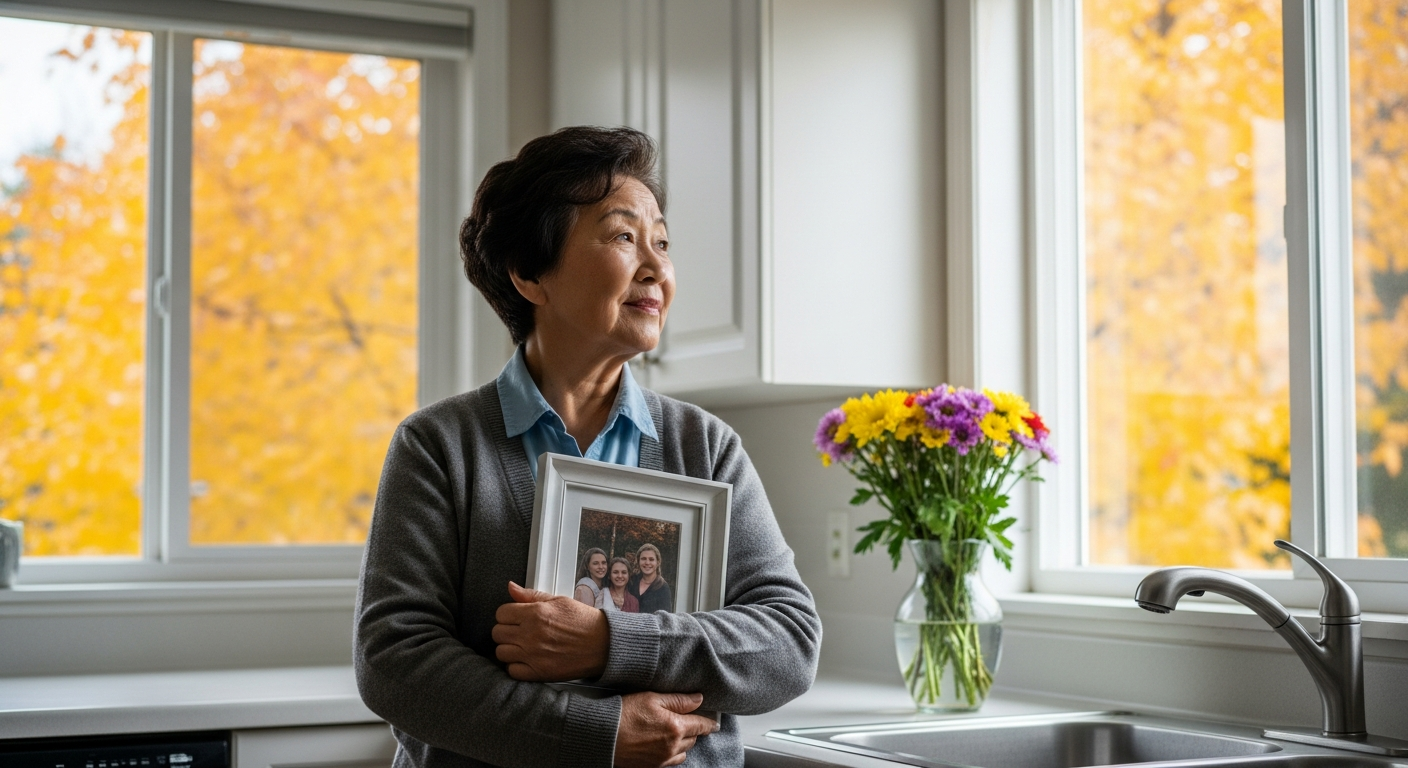
Your 42-year-old daughter has been diagnosed with an aggressive form of breast cancer. OHIP covers the surgery and standard chemotherapy — but her oncologist recommends a targeted therapy drug that costs $6,800 per month and is not covered by provincial insurance. She needs 12 months of treatment. She has two young children, her partner has taken leave from work, and her savings are gone by month three. You are 71, retired, mortgage-free, living in a home worth $780,000. You want to help. A reverse mortgage may be the way to do it without jeopardizing your own retirement security.
This article is for educational purposes only and does not constitute financial advice.
The Medical Costs That Provincial Health Insurance Does Not Cover
Canadians often assume that our universal healthcare system covers everything. It does not. While OHIP and other provincial plans cover medically necessary hospital and physician services, there are substantial gaps — and those gaps become painfully visible during a serious medical emergency.
Common Emergency-Related Costs Not Covered by OHIP
| Category | Examples | Typical Cost Range |
|---|---|---|
| Non-formulary cancer drugs | Targeted therapies, immunotherapies, newer biologics | $3,000–$15,000/month |
| Out-of-province/country treatment | Specialized surgery, clinical trials, second opinions | $10,000–$200,000+ |
| Private hospital room | Upgrade from ward to semi-private or private | $200–$400/day |
| Rehabilitation (extended) | Physiotherapy, occupational therapy beyond initial coverage | $80–$150/session |
| Home care (post-discharge) | Private PSW, nursing care during recovery | $25–$65/hour |
| Medical equipment | Wheelchairs, hospital beds, oxygen equipment | $1,000–$15,000 |
| Mental health support | Psychotherapy, counselling for patient and family | $150–$250/session |
| Travel for treatment | Accommodation, transportation to distant treatment centres | $2,000–$10,000+ |
| Lost income replacement | When employer benefits are exhausted or inadequate | Variable |
According to the Canadian Cancer Society, the average out-of-pocket cost for a cancer patient in Canada ranges from $12,000 to $40,000+ depending on the type of cancer, treatment protocol, and duration — and this figure does not include lost income.
When It Is Your Child
The emotional dynamic changes everything when the patient is your adult child. Parents instinctively want to help — but most retired Canadians do not have $50,000 or $100,000 in liquid savings available for an emergency gift. What they do have is home equity. In Ontario, the average homeowner aged 65+ has between $500,000 and $1,200,000 in property value, much of it mortgage-free.
A reverse mortgage converts a portion of that equity into accessible funds without requiring the parents to sell their home, make monthly payments, or qualify based on income.
How to Structure Reverse Mortgage Funds for a Medical Emergency
Rick Sekhon works with families navigating medical crises and recommends structuring the reverse mortgage to match the specific nature of the emergency. Not every situation calls for the same approach.

Option 1: Lump Sum for Known Treatment Costs
When the total cost of treatment is reasonably predictable — a 12-month drug protocol, a specific surgery, a defined rehabilitation program — a lump sum draw makes sense. You take what you need upfront and there is no uncertainty about fund availability.
Example: Diane and Paul, ages 73 and 71, Oakville
Their son, 45, was in a serious car accident requiring spinal surgery followed by 18 months of intensive rehabilitation. OHIP covered the surgery and initial hospital stay, but the family faced:
| Expense | Cost |
|---|---|
| Private rehabilitation facility (6 months) | $42,000 |
| Home modifications for accessibility | $18,000 |
| Private physiotherapy (12 months, 3x/week) | $21,600 |
| Lost income support for son's partner (6 months) | $24,000 |
| Total | $105,600 |
Diane and Paul's home is worth $920,000 with no mortgage. Through Rick Sekhon, they secured a reverse mortgage and drew $110,000 as a lump sum. Their son received the care he needed immediately, without delay.
Option 2: Scheduled Draws for Ongoing Costs
When the medical costs are recurring — monthly drug costs, weekly therapy, ongoing home care — scheduled monthly draws minimize compound interest because you only borrow what you need each month.
Example: Margaret, 74, London, Ontario
Margaret's daughter, 48, was diagnosed with multiple sclerosis. While OHIP covers neurologist visits and some medications, her daughter needs:
- Disease-modifying therapy not on the formulary: $2,400/month
- Private occupational therapy: $600/month
- Mobility aids and home modifications: $8,000 (one-time)
Margaret arranged a reverse mortgage with an initial lump sum of $8,000 for the one-time expenses and monthly draws of $3,000 to cover the ongoing drug and therapy costs.
| Year | Cumulative Draws | Interest Accrued | Total Balance |
|---|---|---|---|
| Year 1 | $44,000 | $1,500 | $45,500 |
| Year 2 | $80,000 | $5,800 | $85,800 |
| Year 3 | $116,000 | $12,600 | $128,600 |
After three years, Margaret's balance of $128,600 sits against a home worth $680,000 — leaving substantial equity intact.
Option 3: Emergency Reserve (Pre-Arranged but Undrawn)
For parents whose adult child has a chronic condition that could escalate — or for families who want a financial safety net — establishing a reverse mortgage facility without drawing funds immediately is a prudent strategy. No interest accrues until funds are drawn, and when the emergency hits, the money is available within days rather than the three to five weeks a new application requires.
Protecting Parents' Retirement While Helping
This is the critical balance that many families struggle with. The instinct to help is powerful — but depleting your own financial security can create a second crisis down the road.
Key Considerations
Borrow only what is needed. It is tempting to draw the maximum available, but every dollar borrowed accrues compound interest. Rick Sekhon recommends drawing conservatively and topping up only if necessary.
Maintain your own property tax and insurance obligations. As a reverse mortgage holder, you must continue paying property taxes and home insurance. If you divert too much cash to your child's medical needs and fall behind on taxes, your reverse mortgage could go into default. This is a genuine risk that families in crisis mode sometimes overlook.
Protect your income sources. Reverse mortgage proceeds are not taxable income and do not affect your CPP, OAS, or GIS eligibility. This is a significant advantage over withdrawing funds from an RRSP or RRIF, which would be taxed and could trigger OAS clawback.
Understand the long-term cost. A $100,000 reverse mortgage draw will grow with compound interest over time. While you never have to make payments, the balance reduces the equity your estate will eventually receive. This is the fundamental trade-off of any reverse mortgage, and it must be weighed honestly.
| Initial Draw | Balance After 5 Years | Balance After 10 Years | Balance After 15 Years |
|---|---|---|---|
| $50,000 | ~$68,500 | ~$93,500 | ~$128,000 |
| $100,000 | ~$137,000 | ~$187,000 | ~$256,000 |
| $150,000 | ~$205,500 | ~$280,500 | ~$384,000 |
These projections illustrate why borrowing conservatively matters. The compound effect is real and should be part of every family's discussion.
Having the Family Conversation
Medical emergencies are emotionally overwhelming. Adding financial decisions on top of health anxiety can strain even the closest families. Rick Sekhon recommends addressing the financial conversation early, openly, and with clear boundaries.
Topics to Cover
Transparency about the source of funds. Your adult child should understand that the money comes from a reverse mortgage on your home — not from savings or investments. This prevents misunderstandings about inheritance and estate expectations.
Agreement on the amount and purpose. Specify what the funds will cover. A medical emergency can expand into general financial support for lost income, childcare, household expenses, and more. Without boundaries, the financial commitment can grow beyond what was planned.
Impact on other family members. If you have multiple children, be transparent about the reverse mortgage and how it affects the eventual estate. A $100,000 draw today reduces the inheritance for all beneficiaries. Some families formalize this with a written understanding — though there are no tax or legal requirements to do so in Canada.
No repayment expectation — or a clear repayment plan. Decide upfront whether the funds are a gift or a loan. If a gift, document it clearly. If a loan within the family, put the terms in writing (amount, repayment timeline, whether interest is charged). Note that under CRA rules, interest-free loans to adult children do not trigger attribution rules — but clarity prevents future disputes.
Other Funding Sources to Consider Alongside a Reverse Mortgage
A reverse mortgage may not need to cover the entire cost. Several other programs and resources can reduce the amount you need to borrow:
| Resource | Coverage | How to Access |
|---|---|---|
| Trillium Drug Program | Covers high drug costs for Ontario residents without adequate private coverage | Application through the Ministry of Health |
| Compassionate Care Benefits (EI) | Up to 26 weeks of benefits for family caregivers | Through Service Canada |
| Employer extended health benefits | May cover portion of drugs, rehabilitation, private care | Through your child's employer |
| Non-profit organizations | Cancer-specific charities, disease foundations, community funds | Varies by condition |
| Tax credits (METC) | Medical Expense Tax Credit for eligible out-of-pocket costs | Claimed on annual tax return |
| Provincial assistive devices program | Covers portion of mobility aids, medical equipment | Through Ontario's ADP |
By combining these resources with a reverse mortgage, families can reduce the total amount borrowed and therefore the long-term interest cost.
Lender Options for Medical Emergency Funding
All four major Canadian reverse mortgage lenders — HomeEquity Bank (CHIP), Equitable Bank, Bloom Financial, and Home Trust — can fund a reverse mortgage for the purpose of helping an adult child with medical costs. There is no restriction on how you use the funds.
Rick Sekhon compares options across all four lenders to find the best fit for each family's situation. Factors that matter in a medical emergency include:
- Speed of funding: Some lenders can close faster than others, which matters when treatment costs are immediate
- Draw flexibility: Monthly scheduled draws vs. lump sum vs. a combination
- Minimum draw requirements: Some lenders have minimum initial draw amounts
- Prepayment terms: If your child recovers and returns to work, the family may want to repay part of the reverse mortgage to reduce the balance
Frequently Asked Questions
Can I take a reverse mortgage specifically to help my adult child with medical costs?
Yes. There are no restrictions on how reverse mortgage funds are used in Canada. You can use the proceeds for any purpose — including gifting funds to your adult child for medical treatment, rehabilitation, or related expenses. The lender does not require documentation of how the funds are spent.
Will helping my child affect my CPP, OAS, or GIS?
No. Reverse mortgage proceeds are loan funds, not income. They are not reported on your tax return and do not affect any income-tested government benefits including CPP, OAS, GIS, the Ontario Trillium Benefit, or the Ontario Senior Homeowners' Property Tax Grant.
What if my child's medical emergency requires more money than I initially borrowed?
If you have remaining borrowing capacity (your initial draw was less than the maximum approved), you can typically request additional advances from the same reverse mortgage facility. If you have already drawn the maximum, you may be able to refinance or increase your reverse mortgage if your home has appreciated — Rick Sekhon can assess your options.
Should I gift the money or structure it as a family loan?
This depends on your family dynamics and estate plan. In Canada, there is no gift tax, so a cash gift from reverse mortgage proceeds to an adult child has no tax consequences for either party. A family loan provides structure and potential repayment — but if your child is facing a medical crisis, the pressure of repayment may add stress. Most families Rick Sekhon works with treat medical emergency funding as a gift and adjust estate expectations accordingly.
How quickly can I access reverse mortgage funds in an emergency?
A new reverse mortgage application typically takes three to five weeks from start to funding. In urgent situations, Rick Sekhon works with lenders to expedite the process where possible. If you already have a reverse mortgage with undrawn capacity, additional advances can often be arranged within a few business days.
Speak to a licensed mortgage professional. Independent legal advice is required before closing a reverse mortgage in Ontario.
Get your free Ontario Reverse Mortgage Guide →
This content is for illustrative purposes only. Rates may vary. Call Rick Sekhon for the best rates and more information.
Ready to Learn More?
Get the free Ontario Reverse Mortgage Guide and find out exactly how much you could unlock from your home.
Get My Free Guide →Related Articles
Using a Reverse Mortgage to Help Your Child Buy Their First Home
Use a reverse mortgage to help your child buy their first home in Ontario. Learn down payment gifting rules, FHSA compatibility, and Toronto price scenarios.
Read →Reverse Mortgage for an Early Inheritance: Gifting Equity to Children
Use a reverse mortgage for an early inheritance gift to children. Learn Canada's tax-free gifting rules, attribution risks, and estate planning considerations.
Read →Reverse Mortgage for Medical Bills and Healthcare Costs in Canada
Reverse mortgage medical bills healthcare debt Canada: fund dental, prescriptions, mobility aids, and private care not covered by OHIP. Real cost data inside.
Read →