
Supporting Immigrant Adult Children: Reverse Mortgage for Credential Recognition and Professional Integration
Help your immigrant adult child navigate credential recognition and professional integration in Canada. Reverse mortgage funding removes financial barriers to career success.
Your adult child arrived in Canada with professional credentials from another country—yet Canadian employers want local qualifications. For many families, supporting a child's credential recognition and professional integration requires financial resources that catch parents off guard. Credential assessment fees, bridging programs, exam costs, and professional network development can total $5,000–$20,000+. A reverse mortgage transforms this financial barrier into accessible opportunity, enabling you to invest in your child's Canadian career launch.

Understanding the Credential Recognition Landscape
Credential recognition in Canada is province-specific and profession-specific. Here's the reality many immigrant professionals and their parents discover:
The pathway:
- Credential assessment: Evaluate foreign credentials against Canadian standards ($150–$500)
- Professional registration body consultation: Understand what additional requirements exist ($0–$300)
- Bridging program or additional education: Many professions require Canada-specific training ($3,000–$15,000)
- Exam preparation and fees: Licensing exams cost $200–$1,500 (often taken multiple times)
- Professional networking and job integration: May require workshops, professional association fees ($500–$2,000/year)
For many professions (nursing, engineering, law, accounting, trades, psychology, etc.), the total pathway to Canadian credential recognition and employment can cost $10,000–$30,000 and take 1–3 years.
| Professional Field | Assessment Cost | Bridging Program Cost | Exam Costs | Total Typical Cost |
|---|---|---|---|---|
| Nursing (RN) | $200–$400 | $5,000–$12,000 | $300–$600 | $5,500–$13,000 |
| Engineering | $500–$1,000 | $3,000–$8,000 (PEO pathway) | $500–$1,500 | $4,000–$10,500 |
| Teaching | $200–$500 | $4,000–$12,000 | $200–$400 | $4,400–$12,900 |
| Accounting/CPA | $300–$800 | $2,000–$6,000 | $500–$2,000 | $2,800–$8,800 |
| Legal (JD/LLB) | $500–$1,500 | $15,000–$40,000 (law school) | $500–$1,500 | $16,000–$43,000 |
| Trades certification | $100–$300 | $1,000–$5,000 | $200–$500 | $1,300–$5,800 |
| Psychology/Counseling | $200–$500 | $3,000–$10,000 | $300–$800 | $3,500–$11,300 |
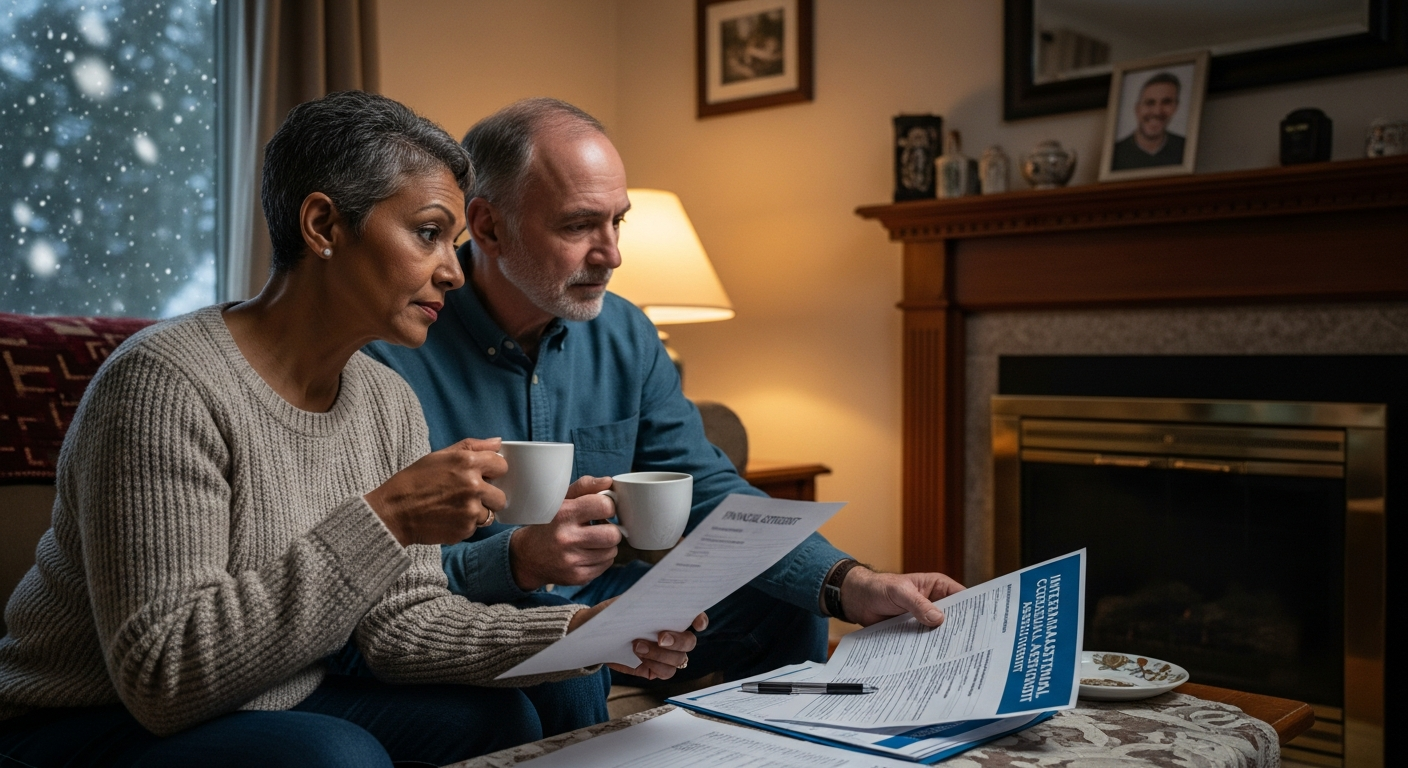
According to Statistics Canada, "Credential recognition remains a significant barrier to employment for skilled immigrants in Canada. The average time to employment in a field matching educational qualifications is 2–3 years; with proactive credential recognition support, this timeline can be reduced to 1–1.5 years. Each month of underemployment costs the family and economy significant lost productivity."
Why Parents Fund Credential Recognition
Many adult children navigate credential recognition while working entry-level jobs to support themselves financially. However, studying for professional exams, attending bridging programs, and managing exam preparation typically requires part-time work or study leave—creating a financial gap that families often bridge.
Common scenarios:
- Adult child leaves full-time work to attend credentialing program; parents help cover living expenses ($1,000–$2,000/month for 1–2 years)
- Adult child works part-time while studying; parents fund program costs and exam preparation
- Adult child accumulates student debt during Canadian credential journey; parents help with repayment
- Family brings adult child to Canada on visitor visa; parents fund immediate credential assessment and bridging program
These investments directly impact your child's long-term earnings potential. A nurse or engineer with proper Canadian credentials earns 40–60% more than one working in survival jobs while waiting for credentials.
Real Example: Supporting Ramani's Nursing Career Integration
Consider a composite scenario: Ramani (age 32) is a registered nurse with 8 years of experience in India. Her parents, Arjun and Meera (ages 68 and 66), sponsored her immigration to Canada. Ramani holds a valid visitor visa and wants to become a Canadian RN.
The pathway:
- Months 1–2: International Nursing Graduate (ING) credential assessment through NNAS (National Nursing Assessment Service): $300
- Months 2–4: NNAS result (detailed report on what's needed); initial IELTS exam (English proficiency): $250
- Months 5–8: Bridging program through a Canadian nursing school (focused on Canadian healthcare standards, medication administration, clinical practice differences): $6,500
- Months 8–12: Clinical practicum and exam preparation; NCLEX-RN exam (Canadian nursing licensing): $400
- Months 13–15: Job search and integration into Canadian healthcare system
- Total cost: $7,450 direct costs + living expenses during transition (~$15,000 for 8 months if not working)
Parents' role:
- Arjun and Meera fund the direct credentialing costs ($7,450) through a reverse mortgage draw
- They also provide living expense support while Ramani completes her bridging program ($1,800/month × 8 months = $14,400)
- Total family investment: ~$22,000
Outcome: Within 15 months, Ramani is employed as an RN in a Canadian hospital earning $65,000/year (vs. her previous survival job at $18,000/year). The $22,000 investment by her parents enables her to earn an additional $47,000/year—a 214% ROI within the first year alone.
Reverse Mortgage as Career Bridge Funding
A reverse mortgage serves this life transition in specific ways:
1. Funds immediate credential assessment and professional registration ($300–$2,000) Access funds for initial assessments and professional body consultations that clarify the pathway forward.
2. Funds bridging programs and education ($3,000–$15,000) Most bridging programs must be paid upfront or in installments. Reverse mortgage funds eliminate the need for your child to take on additional student debt.
3. Provides living expense bridge during credentialing ($1,000–$2,000/month for 6–18 months) If your child reduces work to study for exams or attend a program, reverse mortgage can cover the household's reduced income.
4. Funds exam preparation and licensing costs ($500–$2,500) Professional exams often require multiple attempts; reverse mortgage covers retake fees and exam preparation courses.
5. Enables professional integration investments ($500–$3,000) Professional association memberships, networking events, job interview preparation—small costs with significant career impact—become accessible.
Multifaceted Support: Credential + Immigration + Sponsorship
Many families supporting immigrant adult children provide layered support:
| Support Category | Typical Cost | Duration | Reverse Mortgage Fit |
|---|---|---|---|
| Sponsorship financial requirements (ensuring financial stability) | $0–$500 (application fees) | Ongoing obligation | Good—demonstrates capacity |
| Credential recognition pathway | $1,000–$20,000 | 1–3 years | Excellent—phased funding |
| Living expense bridge during credentialing | $1,000–$2,000/month | 6–18 months | Excellent—monthly draws |
| Professional integration and networking | $500–$2,000/year | Ongoing | Good—annual support |
| Total typical support commitment | $10,000–$30,000 | 2–5 years | Excellent overall fit |
A reverse mortgage enables this layered support without forcing you to sacrifice your own retirement security.
Integration With Professional Bodies and Programs
Successful credential recognition requires active engagement with professional bodies and programs:
For regulated professions (nursing, engineering, accounting, law, psychology):
- Contact professional regulatory body (Ontario College of Nurses, Professional Engineers Ontario, etc.)
- Identify exact requirements for international graduates
- Enroll in accredited bridging or assessment programs
- Follow specific pathways (they're usually well-documented)
For trades:
- Contact apprenticeship offices or trades unions
- Complete assessment of existing credentials
- Enroll in gaps-focused training programs
For less-regulated professions:
- Consult with employers in target field
- Complete credential assessment through third-party evaluators
- Often requires Canadian work experience + additional training
Parents funding credential recognition should help their children engage with these official pathways rather than take shortcuts.
Quick Reference
| Credential Support Investment | Cost Range | Reverse Mortgage Fit | Career Timeline |
|---|---|---|---|
| Initial credential assessment | $300–$1,500 | Good—one-time cost | Months 1–2 |
| Bridging program or education | $3,000–$15,000 | Excellent—phased draws | Months 3–12 |
| Living expense support during credentialing | $1,500–$3,000/month | Excellent—monthly draws | 6–18 months |
| Exam preparation and licensing costs | $500–$2,500 | Good—exam period funding | Months 8–15 |
| Professional integration and networking | $500–$2,000/year | Good—ongoing support | Months 13+ |
| Total support pathway | $10,000–$30,000 | Excellent overall | 12–24 months to employment |
Frequently Asked Questions
If I help fund my child's credential recognition, do I need to maintain sponsorship obligations?
Sponsorship obligations and credential support are separate. If you sponsored your child's immigration, you have a 20-year financial sponsorship obligation (ensuring they don't become dependent on social assistance). Helping them with credential recognition is additional support above the sponsorship requirement. Consult immigration documentation for your specific sponsorship terms.
Can my adult child access government student loans or education funding for bridging programs?
Possibly, but often limited. Canadian government student loans may be unavailable to recent immigrants without Canadian credit history. Some provinces offer specific supports for international graduates; consult your provincial government and professional regulatory body. Many families find that reverse mortgage support is faster and simpler than navigating government programs.
What if my adult child's credentials don't transfer and Canadian licensing isn't available for their field?
Some professions (e.g., certain medical specialties, some international teaching certifications) may not have direct equivalency in Canada. In these cases, you might support a career transition: funding retraining for a related Canadian profession, or supporting employment in a parallel field where their experience adds value. Discuss options with your child and career counselors.
How do I know if credential recognition investment will lead to employment?
This is a legitimate concern. Research your child's specific field: look at Ontario employment data for the profession, consult professional regulatory bodies about employment prospects, and network with recent immigrants in that field. Most regulated professions (nursing, engineering) have strong employment after credentialing. Less-regulated fields may have more uncertainty.
Can I use a reverse mortgage to fund professional association memberships and continuing education?
Yes. Once your child is established in their Canadian profession, ongoing professional development, association fees, and continuing education can be supported through a reverse mortgage line of credit. Many parents provide this kind of ongoing professional support.
What if my child decides to change careers after I've funded credential recognition?
This happens. Life circumstances change; interests evolve. Your support enabled them to make an informed choice about whether that career was right for them. Even if they change directions, the credential foundation and Canadian experience remain valuable. Discuss next steps and adjust support accordingly.
Does funding my adult child's career affect my ability to fund other family members' needs?
A reverse mortgage line of credit provides flexibility. You can fund your child's credential recognition while maintaining flexibility to support other family members, your own healthcare, or other priorities. The line of credit doesn't require immediate repayment; it's available as needed.
Enable Your Child's Professional Success in Canada
Credential recognition is the bridge between your child's international professional experience and Canadian employment. A reverse mortgage removes the financial barrier to crossing that bridge—enabling your adult child to enter the Canadian professional workforce at appropriate salary levels while protecting your own retirement security.
Contact Rick Sekhon Reverse Mortgages to explore how a reverse mortgage can support your adult child's credential recognition and professional integration. We'll help you understand your borrowing capacity and create a sustainable plan for this important family investment.
Ready to Learn More?
Get the free Ontario Reverse Mortgage Guide and find out exactly how much you could unlock from your home.
Get My Free Guide →Related Articles
Reverse Mortgage for Adult Child's Postgraduate Education: Master's & Certifications
Help your adult child earn a master's degree or professional certification with a reverse mortgage. Fund education without cosigning debt—Ontario strategy for parents of adult learners.
Read →Reverse Mortgage for Workplace Injury Recovery: Supporting Adult Child's Career Transition
Help your adult child rebuild their career after workplace injury. Learn how reverse mortgages fund recovery, retraining, and financial stability during career transition.
Read →Reverse Mortgage When Adult Child Faces Student Loan Default: Creditor Protection Strategy
Protect your home when adult child has severe student debt. Learn how reverse mortgage planning shields your assets from student loan creditors in Ontario.
Read →