
HVAC System Replacement: Funding Climate Control Upgrades with Reverse Mortgage
Your furnace is failing in winter. AC won't start in summer. HVAC replacement costs $8,000–$15,000 in Ontario. Learn how a reverse mortgage funds this essential system.
Your furnace just gave its final wheeze. Outside temperature: -15°C. You can't heat your home. HVAC (heating, ventilation, air conditioning) replacement is not optional—it's essential, especially for seniors aging in place. But costs are steep: $8,000–$15,000 for a full system replacement in Ontario. Your retirement savings can't absorb a $12,000 emergency. A reverse mortgage provides immediate capital without monthly payments. Let's walk through the reality of HVAC replacement and how to fund it wisely.
This article is for educational purposes only and does not constitute financial advice.
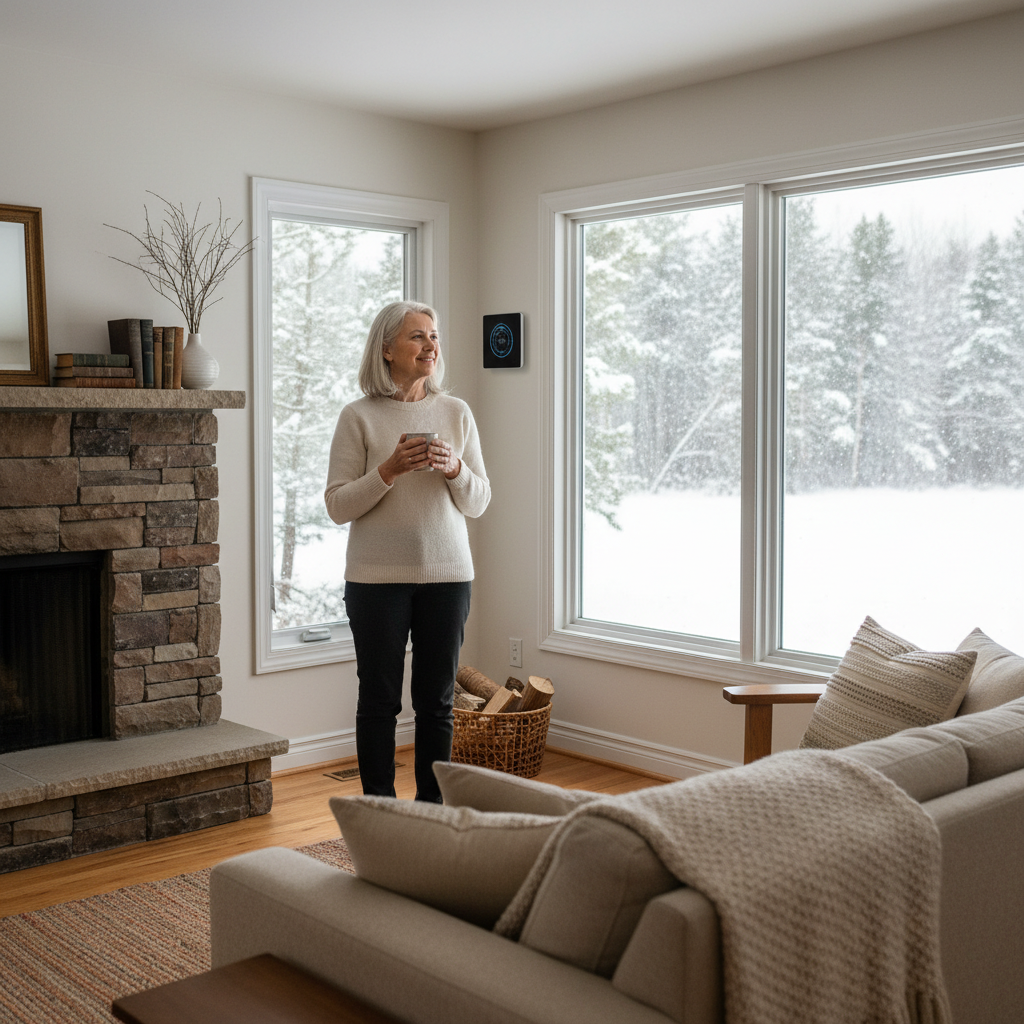
HVAC System Components and Replacement Costs
An "HVAC system" includes several components. Replacement may mean replacing everything or just one piece.
Components Breakdown
Furnace (Heating)
- Cost: $4,000–$7,000 (installed)
- Lifespan: 15–20 years
- Signs of failure: Loud noises, declining heat output, pilot light won't stay lit
- Efficiency rating: AFUE 80% (basic) to 95%+ (high-efficiency)
Air Conditioner (Cooling)
- Cost: $3,000–$6,000 (installed)
- Lifespan: 12–15 years
- Signs of failure: Weak cooling, refrigerant leak, compressor failure
- Efficiency rating: SEER 13–15 (basic) to 20+ (high-efficiency)
Heat Pump (Heating + Cooling Combined)
- Cost: $6,000–$12,000 (installed, replaces furnace + AC)
- Lifespan: 12–15 years
- Advantage: Single system handles both heating and cooling
- Popular: Increasingly common in Ontario
Ductwork
- Cost: $2,000–$5,000 (if replacement needed)
- Needed if: Current ducts are leaky, dirty, or undersized
- Lifespan: 30–40 years (typically doesn't fail; often upgraded)
Thermostat
- Cost: $500–$2,000 (smart/programmable)
- Usually replaced with furnace: Modern systems require compatible thermostat
Typical System Scenarios
Scenario 1: Old Furnace + Window AC
- Replace furnace: $5,500
- Keep existing AC or add small split-unit AC: $500–$2,000
- Total: $6,000–$7,500
Scenario 2: Furnace + Central AC, Both Aging
- Replace furnace: $5,500
- Replace AC: $4,000
- Total: $9,500
Scenario 3: Modern Heat Pump System
- Replace with high-efficiency heat pump: $8,500–$12,000
- (Covers both heating and cooling)
- May require ductwork adjustments: +$2,000
- Total: $8,500–$14,000
Scenario 4: Luxury High-Efficiency System
- Premium heat pump: $10,000–$12,000
- Variable-speed blower: +$1,000
- Smart thermostat: +$500
- Ductwork upgrade: +$2,000
- Total: $13,500–$15,500
For most Ontario homes (30+ years old): Budget $8,000–$12,000 for furnace + AC replacement.
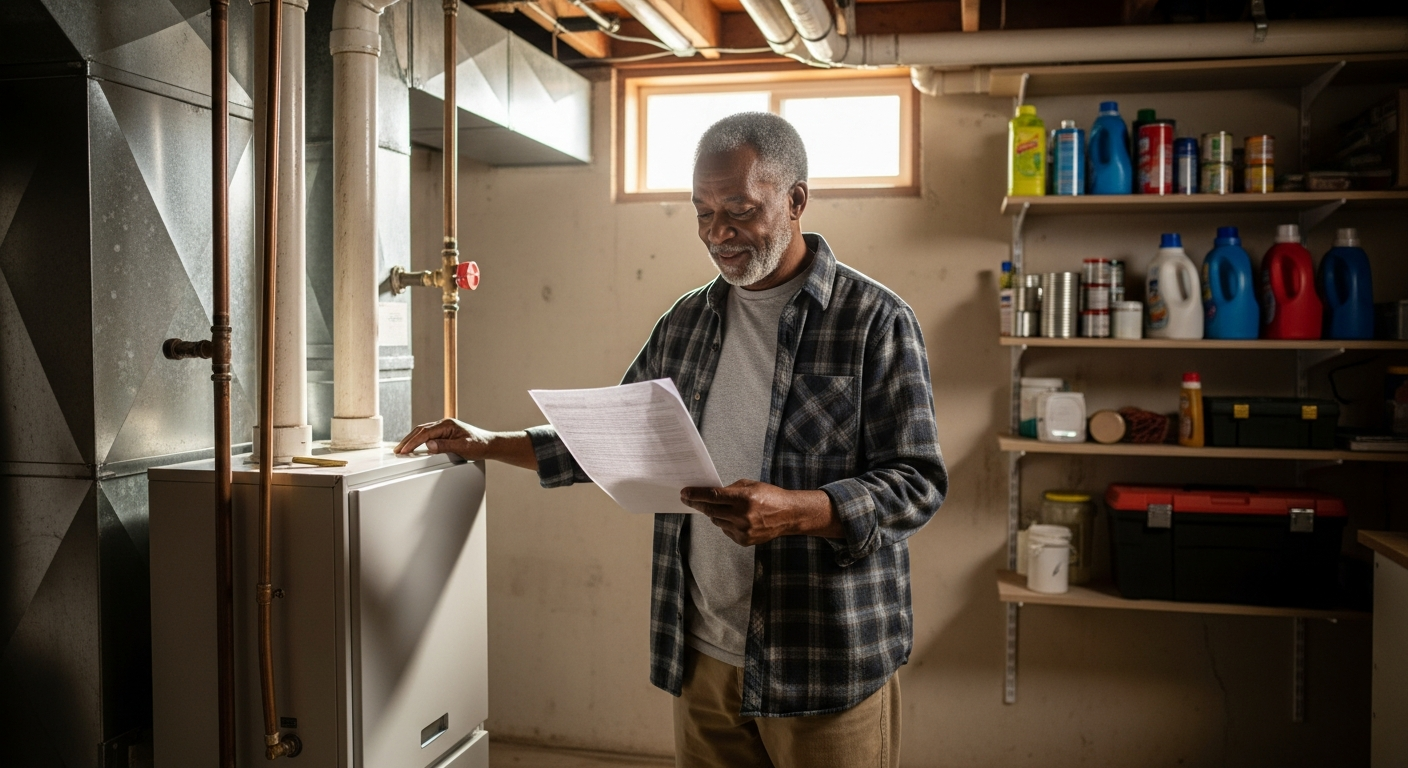
How a Reverse Mortgage Funds HVAC Replacement
The Strategy
Step 1: System fails (or near failure)
- Furnace stops heating / AC loses cooling
- You get emergency quote: $9,500
- Can't afford from savings
Step 2: Apply for reverse mortgage
- Include HVAC replacement in funding request
- Borrow $10,000 specifically for this
- No monthly payments required
Step 3: Get system installed
- Licensed HVAC contractor
- New system is warrantied (typically 5–10 years parts, lifetime labor)
- Comfortable home temperature restored immediately
Step 4: Benefit from modern system
- Better efficiency (lower utility bills)
- Reliable operation for 12–20 years
- Higher home comfort
- Increased home value
- When selling: Furnace/AC age is less of a concern
Step 5: Repay reverse mortgage
- When you sell home: Mortgage repaid from sale proceeds
- As long as you live there: No monthly payment
- Repay when you eventually move or pass
Cost Model: $10,000 HVAC Replacement
HVAC system + installation:     $10,000
Reverse mortgage borrowed:       $10,000 @ 5.5%
Monthly interest accrual:        ~$46/month
After 10 years, total interest:  ~$7,000
Total cost with interest:        ~$17,000

Home utility bills before:       $200/month (inefficient system)
Home utility bills after:        $160/month (15% savings, efficiency)
Monthly savings:                 $40/month
Annual savings:                  $480/year

Payback from efficiency:         ~$4,800 over 10 years
Net cost after efficiency:       $17,000 - $4,800 = $12,200

Home value increase (modern HVAC): ~$3,000–$5,000
Final net cost:                  $7,200–$9,200
Bottom line: After efficiency savings and value increase, the true cost of reverse mortgage funding is reasonable.
HVAC Efficiency Standards (Ontario, 2026)
Modern HVAC systems are far more efficient than older ones:
Heating (Furnace/Heat Pump)
| Rating | Efficiency | Age/Type | Typical Cost |
|---|---|---|---|
| AFUE 80% | Basic, meets code minimum | 1990s–2000s | $4,500–$5,500 |
| AFUE 90%+ | Mid-range efficiency | 2010s standard | $5,500–$6,500 |
| AFUE 95%+ | High-efficiency | Modern, premium | $6,500–$7,500 |
| Heat Pump (HSPF 8–10) | Very high, combo heat/cool | 2020s+, popular now | $8,000–$12,000 |
Cooling (AC / Heat Pump)
| Rating | Efficiency | Typical Cost |
|---|---|---|
| SEER 13 | Basic, code minimum | $3,000–$3,500 |
| SEER 16+ | Good efficiency | $3,500–$5,000 |
| SEER 20+ | Premium efficiency | $5,000–$6,500 |
For retirement savings: Mid-range efficiency (AFUE 90%, SEER 16) offers best value—good performance, reasonable cost, solid ROI.
When HVAC Replacement Is Urgent vs Elective
URGENT (Do It Now)
❌ Furnace failure in winter — You MUST have heat; unsafe to delay ❌ System is 20+ years old — High failure risk; replacement likely imminent ❌ Repeated breakdowns — Multiple repairs in one year; replacement justified ❌ System is unsafe — Cracked heat exchanger, gas leak; dangerous ❌ No cooling in summer — Health risk for seniors in heat; urgent
ELECTIVE (Can Delay)
✓ System is 10–15 years old, working well — Keep operating; plan replacement in 5 years ✓ Single repair needed — Fix it; system has life left ✓ System is aging but functional — Monitor; replace when it fails
Cost-Benefit: Repair vs Replace
The eternal question: Should I repair or replace?
Decision Tree
If system is <12 years old:
- Repair is usually better
- System should have 3–8 years left
- Cost: $800–$2,000 repair
If system is 12–17 years old:
- If repair <$3,000: Repair
- If repair >$3,000: Consider replacement
- Replacement would give 15+ year lifespan
If system is 17+ years old:
- Replace
- Repair costs will be frequent
- Efficiency loss is significant
- Reliability is uncertain
Real-World Example
System age: 17 years, compressor failing
-
Repair option: $3,500 (compressor replacement)
- Expected additional life: 2–3 years
- Then furnace/other components fail
-
Replace option: $9,500 (new system)
- Expected life: 15 years
- Better efficiency
Analysis:
- Repair now ($3,500) + replacement in 3 years ($9,500) = $13,000
- Replace now ($9,500) = $9,500
- Conclusion: Replace now is cheaper, gives more reliable system.
HVAC Contractor Selection
Critical: Choose a licensed, reputable contractor.
Contractor Checklist
- ✓ Valid Ontario contractor license
- ✓ HVAC certification (Board of Trade, similar)
- ✓ Insurance & bonding (verify)
- ✓ 3+ references (check online reviews)
- ✓ Warranty offered (5–10 year parts, lifetime labor)
- ✓ Written quote (itemized, not vague)
- ✓ Fixed price (not hourly for install)
Getting Quotes
Get 3 quotes:
- Ask similar-sized contractors
- Request same equipment (so prices comparable)
- Ask what's included (removal, permits, ductwork, thermostat)
Red flags:
- ❌ Lowest price is WAY below others (often means corners cut)
- ❌ Contractor won't provide references
- ❌ Refuses to give written warranty
- ❌ Pressures you to decide immediately
- ❌ "We can start tomorrow for cash discount" (often unlicensed)
Reality: Mid-range contractor is usually best. Don't chase the cheapest option.
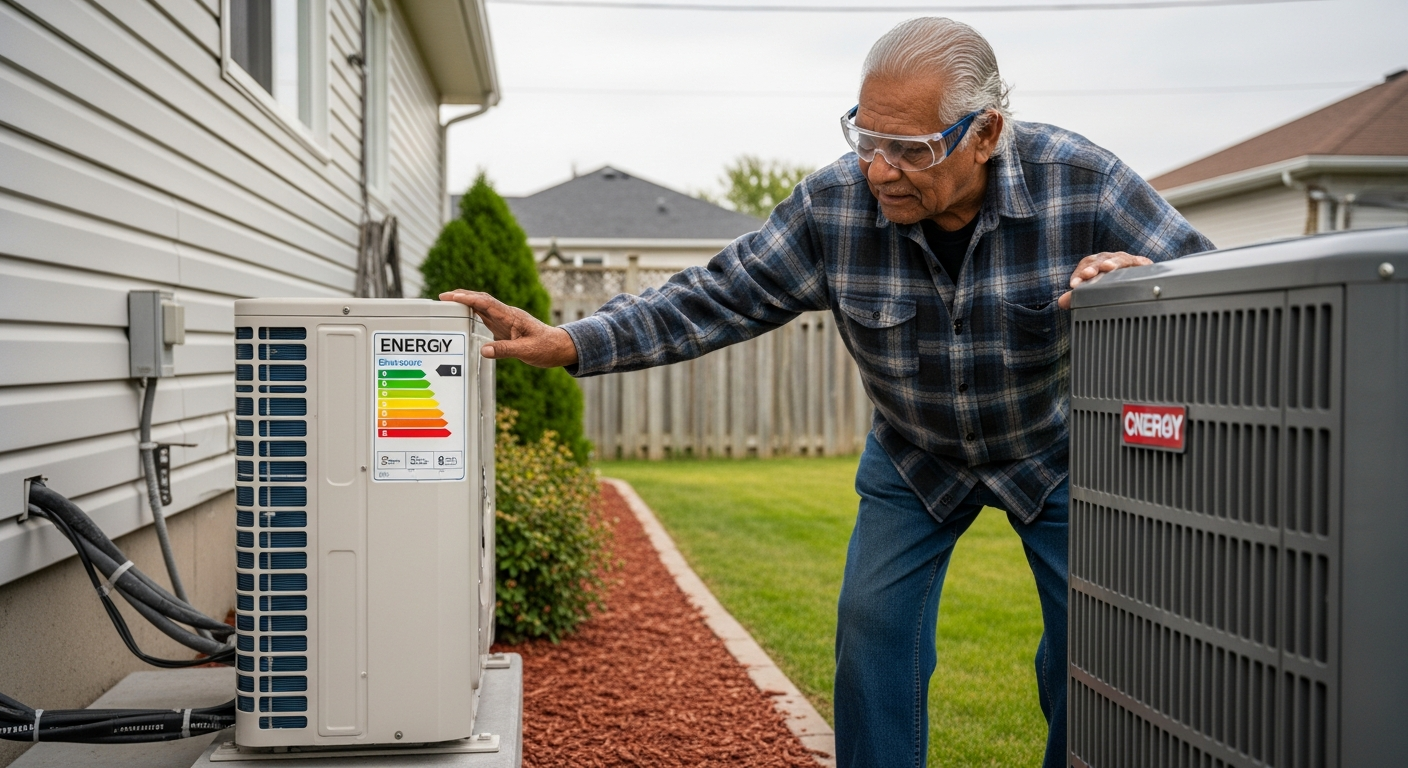
Permits and Inspections (Ontario)
HVAC replacement typically requires:
-
Gas permit (if replacing gas furnace)
- Required by local municipality
- Cost: $50–$150
- Installation must include permit
-
Electrical permit (if upgrading wiring for AC/heat pump)
- Required if adding circuits
- Cost: $50–$200
-
Final inspection by municipality
- Inspector verifies proper installation
- No cost (included with permit)
Professional contractors handle permits. Don't hire unlicensed contractors to "save money"—the $200 permit fee is cheaper than fixing unsafe installation.
Reverse Mortgage Approval and HVAC Work
Will lender approve a reverse mortgage for HVAC replacement?
Yes, routinely. HVAC is maintenance, not property damage. Lender views this as prudent home maintenance.
Disclosure: Tell lender upfront: "I want to use $10,000 for HVAC replacement." They'll note it; no issue.
Approval timing: HVAC work doesn't typically block approval (unlike major foundation issues). Approval proceeds normally.
FAQs: HVAC and Reverse Mortgages
Will new HVAC system increase my home's resale value?
Modestly, yes. Modern HVAC systems add $2,000–$5,000 in buyer confidence/home value. Not dollar-for-dollar, but a reasonable benefit.
Psychology: Buyer sees "new furnace/AC 2026" and feels confident the system is reliable.
Should I get a high-efficiency system or mid-range?
For retirement funding: Mid-range (AFUE 90%, SEER 16) is smart.
- Cost: $8,000–$9,500 (vs. $12,000+ for premium)
- Savings: 10–15% on utilities (good ROI)
- Lifespan: 12–15 years (same as premium)
Skip premium unless: You plan to stay 15+ years and want maximum efficiency.
Can I include HVAC in the reverse mortgage and get other repairs too?
Yes. You might borrow $20,000 total: $10,000 HVAC + $10,000 roof (or other).
Efficiency: Single reverse mortgage application covers multiple repairs, avoiding repeated appraisals.
What if the HVAC system fails during the reverse mortgage application process?
Contact lender immediately. If system fails mid-application:
- Lender may accelerate approval (to get funds to you faster)
- You might incur emergency repair cost (not ideal)
- Once RM closes, reimburse emergency repair from reverse mortgage funds
Pro tip: Apply early if system is aging. Don't wait for emergency.
Do I get a warranty on new HVAC?
Yes, standard warranties:
- Parts warranty: 5–10 years (covers defects)
- Labor warranty: Typically lifetime (contractor covers installation issues)
- Transferable: Some warranties transfer to new owner if you sell
Advantage: Reverse mortgage-funded HVAC is warrantied; adds value if you sell.
Timeline: HVAC Replacement to Operation
| Step | Duration |
|---|---|
| Get quotes from contractors | 3–7 days |
| Choose contractor, schedule | 1–2 weeks |
| Permit application & approval | 3–5 days |
| Installation day(s) | 1–3 days (depends on complexity) |
| Inspection & final approval | 1 day |
| System operational | Same day as installation |
| Total time: | 2–3 weeks |
If you're getting a reverse mortgage for this: Total time is 6–10 weeks (4–8 week RM approval + 2–3 week HVAC work).
The Bottom Line
HVAC systems fail. For Ontario seniors in winter, furnace failure is urgent. A reverse mortgage provides:
- Capital: $8,000–$15,000 without monthly payments
- Flexibility: Borrow just what you need
- Longevity: Modern system operates reliably for 12–20 years
- Comfort: Aging in place requires reliable heating/cooling
- Repayment: When you eventually sell, proceeds pay off reverse mortgage
For seniors planning to stay in their homes, HVAC replacement funded by reverse mortgage is a no-brainer—it's essential maintenance, not a luxury.
Speak to a licensed mortgage professional. Independent legal advice is required before closing a reverse mortgage in Ontario.
HVAC Component Lifespan Quick Reference
| Component | Lifespan | Cost to Replace | Signs of Failure |
|---|---|---|---|
| Furnace | 15–20 yrs | $4,000–$7,000 | Won't start, cold air, noises |
| AC unit | 12–15 yrs | $3,000–$6,000 | Weak cooling, leak, no startup |
| Heat pump | 12–15 yrs | $6,000–$12,000 | Heating/cooling insufficient |
| Thermostat | 10–15 yrs | $500–$2,000 | Inaccurate, display dead |
| Ductwork | 30–40 yrs | $2,000–$5,000 | Leaky, deteriorating |
This content is for illustrative purposes only. Rates and terms may vary. Call Rick Sekhon for the best rates and more information.
Ready to Learn More?
Get the free Ontario Reverse Mortgage Guide and find out exactly how much you could unlock from your home.
Get My Free Guide →Related Articles
Reverse Mortgage and Deferred Home Maintenance: Catching Up on Repairs
Use a reverse mortgage to fund essential home repairs and maintenance you've deferred—preventing costly damage and maintaining aging in place.
Read →Using a Reverse Mortgage as an Emergency Fund in Retirement
Discover how a reverse mortgage can serve as an emergency fund in retirement for Ontario seniors. Compare options, costs, and setup strategies.
Read →Aging in Place with a Reverse Mortgage: Home Modification Guide
How Ontario seniors can fund aging-in-place home modifications with a reverse mortgage — costs, top modifications, grants, and a complete planning guide.
Read →