
Reverse Mortgage When Extended Family Needs Emergency Shelter After Housing Crisis
Family crises—sudden homelessness, domestic violence, job loss, fire—can land extended family members on your doorstep. A reverse mortgage can fund critical housing support.
The Crisis Nobody Anticipates But Many Face
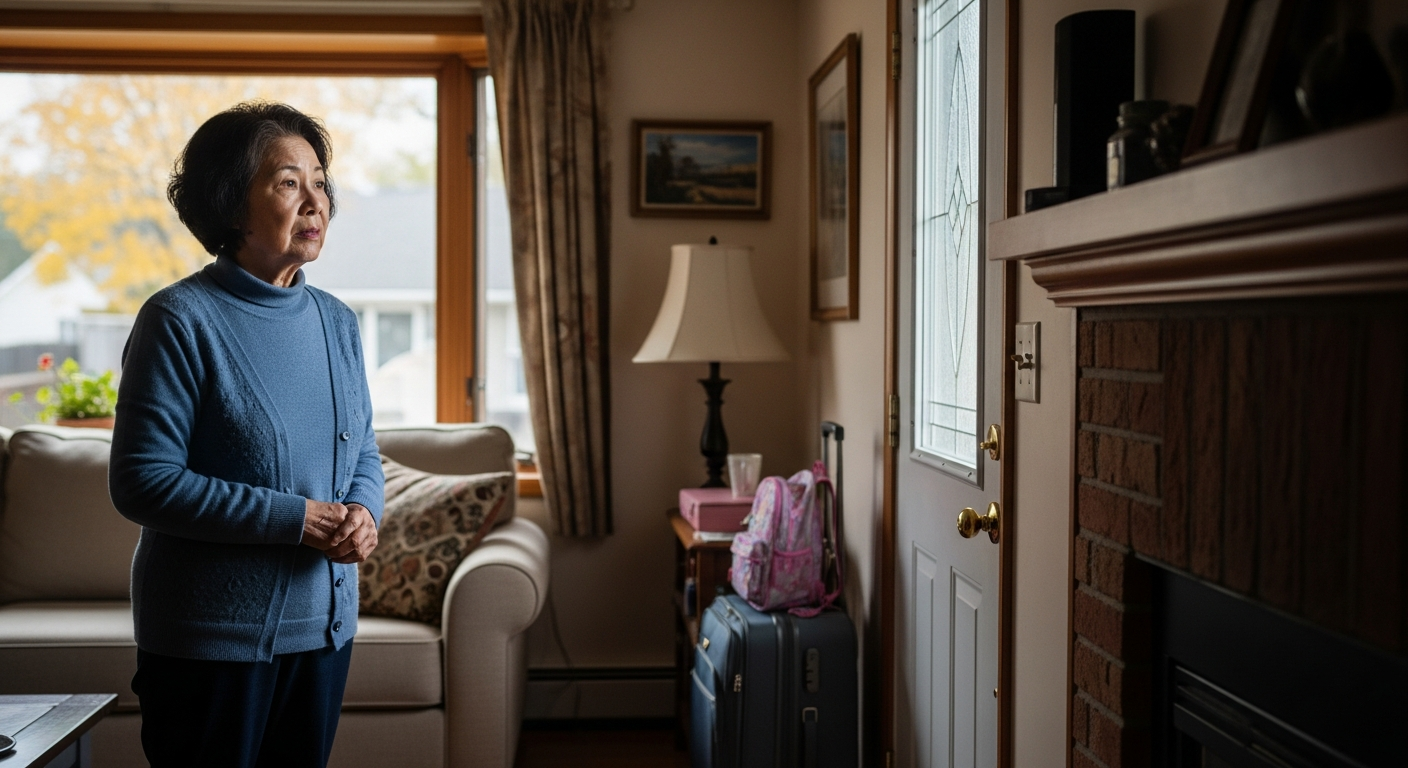
Your granddaughter arrives at your door with two children at 2 AM. She fled an abusive relationship with only what fit in her car. She has no money, nowhere to go. She asks if she can stay with you.
Your sister loses her job and her apartment in the same month. At 62, her savings evaporate in weeks. She can't afford market rent on her unemployment benefits. She asks if she can move in while she gets back on her feet.
Your nephew's house burns in a wildfire. He and his family need somewhere to stay while insurance settles and rebuilding begins. They have savings, but temporary housing costs $3,000-$4,000/month.
A family member faces domestic violence and needs immediate safe shelter. They can't access shelter systems; they need privacy and family support.
These housing crises are sudden, unpredictable, and often involve extended family showing up at your home needing immediate shelter. For Ontario seniors with substantial home equity and strong family values, opening your home is natural. But it creates immediate financial strain.
A reverse mortgage can fund the infrastructure to help extended family members in crisis without jeopardizing your own security.
The Real Costs of Emergency Family Shelter
When a family member moves in during crisis, you face:
Immediate housing costs:
- Basement renovation or extra bedroom setup: $5,000-$15,000
- Bathroom access (if needed): $2,000-$5,000
- Kitchen expansion or separate cooking area: $1,000-$3,000
- Utilities increase (estimated annual): $1,000-$2,000
Temporary emergency support:
- Initial supplies and furniture: $1,000-$3,000
- Food and household costs (estimated monthly): $200-$500
- Childcare support (if needed): $500-$1,500/month
Duration: 6 months to 2 years typically
- If crisis involves job loss, recovery takes 12-18 months average
- If domestic violence or housing rebuilding, 12-24 months common
- Family member rebuilds savings and stability
Total realistic cost for 18-month crisis support:
- Housing preparation: $10,000-$20,000
- Monthly additional costs (18 months): $5,000-$13,500
- Total: $15,000-$33,500
For seniors on fixed incomes, this is unaffordable without depleting retirement savings. A reverse mortgage transforms this from "impossible" to "manageable."
Real Scenario: Unexpected Family Shelter Situation
Margaret, 72, in Ottawa, thought her caregiving days were done. Her three adult children were independent. Her grandchildren were growing up. Then her daughter called at 11 PM.
Her daughter Sarah, 42, was escaping an emotionally abusive marriage. She was financially controlled and had limited access to money. She had her two teenagers (ages 14 and 17) with her. She needed a safe place while she figured out custody and separation.
"I told her to come immediately," Margaret recalled. "But I didn't have money for the logistics of housing three additional people."
The situation:
- Sarah and two teenagers needed privacy and separate space
- Margaret's home was comfortable but had only one spare bedroom
- The basement could be finished into a comfortable suite for Sarah and the teenagers
- Estimated cost: $15,000-$18,000 in renovations
- Plus: food, utilities, and support during Sarah's separation (estimated 18 months)
Margaret's reverse mortgage solution:
- Accessed reverse mortgage: $250,000 available on her $650,000 home
- Initial draw: $18,000 for basement finishing (creating private suite for Sarah and teenagers)
- Ongoing monthly budget: $300-$500 for additional food and utilities
- Duration: 18 months (until Sarah stabilized, found employment, and secured her own housing)
The basement renovation included:
- Second kitchen area with stove/fridge (allowing privacy around meals)
- Separate entrance (maintaining family boundaries)
- Two bedrooms (one for Sarah, one for teenagers)
- Full bathroom and laundry (reducing shared resource strain)
- Sitting area (separate living space)
The outcome after 18 months:
- Sarah completed family law processes and secured custody
- Sarah found employment and rebuilt income/savings
- Sarah saved a down payment for her own home while living rent-free
- Margaret's teenagers cousins had safe space during family crisis
- The basement renovation added permanent value to Margaret's home
"I could have said no," Margaret reflected. "But I had the equity and the space. My grandchildren needed safety. Creating a proper suite meant we could all have healthy boundaries while she got back on her feet. It was the right decision."

Types of Housing Crises That Affect Extended Family
Domestic violence/relationship crisis:
- Family member fleeing abuse
- Needs immediate safe shelter (often can't wait for shelter system)
- Requires privacy and family support
- Timeline: 6-24 months typically
Job loss and financial crisis:
- Family member loses income and housing
- Can't afford market rent during job search
- Takes 6-12 months to find equivalent employment
- Rebuilds savings during recovery period
Fire, flood, or natural disaster:
- Home destroyed or uninhabitable
- Temporary housing costs excessive ($3,000-$5,000/month)
- Insurance settlement takes months
- Family needs bridge shelter during reconstruction
Sudden family disruption:
- Divorce or separation creates housing instability
- Custody changes require temporary housing
- Financial settlement takes time to finalize
Medical crisis:
- Family member hospitalized; recovery requires accessible housing
- Temporary housing may be needed while permanent accessible home found
- Recovery period: 3-12 months
Job transition or relocation:
- Family member moving for job; bridge housing needed
- Takes 1-3 months to find permanent housing
- Temporary family support accelerates transition
The Boundary Question: How Long Is Too Long?
When you open your home in family crisis, boundaries matter. Without them, temporary crisis support becomes permanent dependence.
Healthy boundaries include:
- Time limit: "You can stay for 18 months while you get back on your feet. After that, you need independent housing."
- Contribution expectation: "You'll contribute to household expenses once you have income."
- Independence goal: "We're supporting your recovery, not replacing your responsibility."
- Regular check-ins: "Let's review progress monthly. Are we on track to your timeline?"
- Escalation plan: "If circumstances change, here's how we reassess."
These boundaries prevent guilt and resentment. They also help the family member in crisis maintain their own agency and responsibility.
Margaret and Sarah had monthly check-ins discussing Sarah's progress: job search, custody agreement, savings plan, timeline for independent housing. This kept Sarah focused on recovery rather than settling into comfort.
Family Meetings and Communication
Before housing an extended family member in crisis, have family conversations:
With the family member in crisis:
- What does recovery look like? (Job, separation settlement, home rebuilt, etc.)
- What's a realistic timeline?
- What are your responsibilities while living here?
- What happens if timeline extends?
- How will we know when independent housing makes sense?
With other family members living in your home:
- How does this affect our household?
- What boundaries will we maintain?
- What's our role in supporting them?
- How long is this intended to last?
With your spouse (if applicable):
- Are we both comfortable with this?
- What financial impact are we accepting?
- How does this affect our retirement?
- What's our exit strategy if needed?
Clear communication prevents resentment and conflict later.
Reverse Mortgage Funding Structure for Family Crisis
Phase 1: Emergency setup (Month 1-3)
- Home preparation: $10,000-$20,000
- Emergency supplies and furnishings: $2,000-$3,000
- One-time costs for immediate crisis support
Phase 2: Ongoing support (Months 3-18)
- Monthly cost: $300-$500 (food, utilities, household)
- Additional support as needed: $1,000-$3,000/month (depending on crisis type)
Total reverse mortgage draw: $15,000-$33,000 depending on situation
Repayment strategy:
- If family member recovers income, they may contribute to household expenses
- You repay reverse mortgage from your regular income
- Remaining funds available for your own retirement needs
The reverse mortgage functions as bridge financing: you provide crisis support, and you repay through regular income over time.
When NOT to Use Your Home as Crisis Shelter
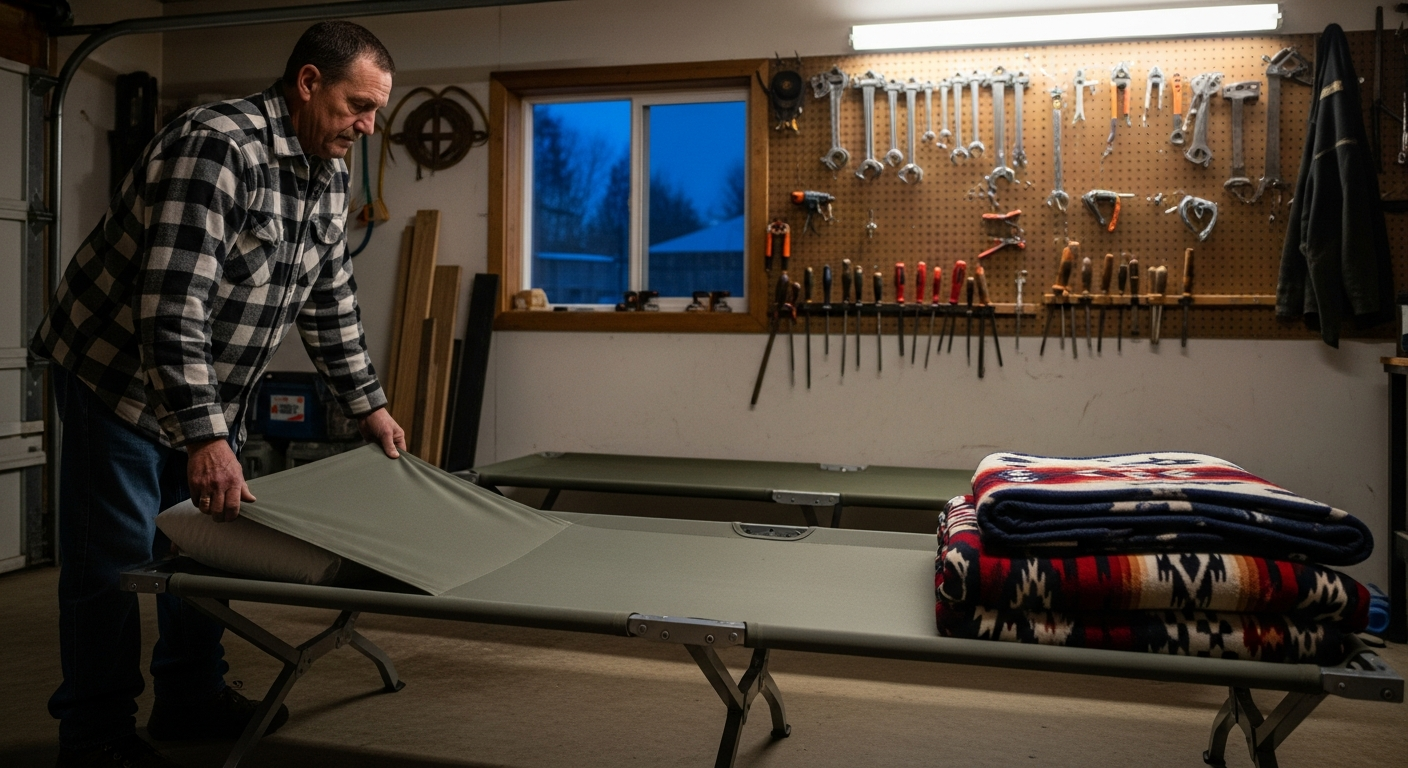
There are situations where housing an extended family member creates more problems:
Enabling dependence:
- If family member has resources/income but chooses dependence
- If they have refused help for employment or recovery
- If they have untreated addiction or mental health without willingness to treat
- If timeline keeps extending without progress
Threatening your own security:
- If providing shelter means you can't afford your own care
- If your health is at risk from added stress
- If relationship strain is severe (spousal conflict, etc.)
- If your retirement plan becomes unaffordable
Unresolved conflict:
- If family dynamics are abusive or highly dysfunctional
- If the person in crisis is unsafe
- If you have unhealed trauma with this family member
- If other family members are at risk
Housing crisis support should strengthen your family and enable recovery. If it's enabling dependence or threatening your wellbeing, it's not appropriate.
The Living Legacy Aspect: What This Really Means
When you house an extended family member in crisis, you're doing something profound: you're using your home equity to create safety and opportunity for family members when they have nowhere else to turn.
This is living legacy: not wealth transferred after death, but tangible support enabling family members to survive crisis and rebuild lives. Your grandchildren have safety. Your sibling has dignity. Your grandchild's mother has support in leaving abuse.
For many Ontario seniors, this is precisely the legacy that matters: knowing your home and resources enabled family members to survive and recover.
The Bottom Line
Family housing crises are unpredictable but increasingly common. Domestic violence, job loss, natural disaster, relationship breakdown—these crises land extended family members on your doorstep without warning.
For Ontario seniors with substantial home equity and family values, opening your home is natural. A reverse mortgage removes the financial barrier, allowing you to help without jeopardizing your own retirement security.
The key is structuring the support thoughtfully: clear timelines, healthy boundaries, regular check-ins, and realistic expectations. Within these boundaries, reverse mortgage funding can be transformative—enabling family members to survive crisis and rebuild lives with dignity and support.
In Ontario, where many seniors value family and have equity, this application of reverse mortgage funds may be the most meaningful use: protecting family members in their darkest moments.
Ready to Learn More?
Get the free Ontario Reverse Mortgage Guide and find out exactly how much you could unlock from your home.
Get My Free Guide →Related Articles
Reverse Mortgage for Workplace Injury Recovery: Supporting Adult Child's Career Transition
Help your adult child rebuild their career after workplace injury. Learn how reverse mortgages fund recovery, retraining, and financial stability during career transition.
Read →Reverse Mortgage When Adult Child Faces Student Loan Default: Creditor Protection Strategy
Protect your home when adult child has severe student debt. Learn how reverse mortgage planning shields your assets from student loan creditors in Ontario.
Read →Reverse Mortgage to Fund Adult Child's Real Estate License and Business Launch
Help your adult child launch a real estate career. Reverse mortgage covers licensing, training, first-year operating costs, and marketing to build a sustainable income.
Read →