
When Adult Child with Chronic Illness Lives with You: Long-Term Care Planning
Adult child with chronic illness lives with you? Plan housing, care, and costs. Use reverse mortgage for long-term support and housing modifications.
Does your adult child live with you due to chronic illness — conditions like fibromyalgia, ME/CFS, long COVID, rheumatoid arthritis, or other progressive diseases — limiting their work capacity and housing independence? Many Ontario parents 55–75 provide long-term housing and support to adult children facing chronic illness challenges. A reverse mortgage can fund accessible home modifications, care support systems, and long-term housing security — ensuring your child remains safely housed even after you're gone.

The Growing Reality: Adult Children with Chronic Illness
Chronic illness affects millions of Canadians — and increasingly, adult children living with aging parents. Conditions like fibromyalgia, myalgic encephalomyelitis (ME), long COVID, rheumatoid arthritis, and other progressive illnesses often limit work capacity, create housing barriers, and require long-term parental support.
Key statistics:
- 1.9 million Canadians report chronic pain limiting daily activities
- 20–30% of those are under 55, including adult children
- 80% of adults with severe chronic illness report family provides primary support, not government
- Long COVID alone affects 1 in 20 Canadians, with 40% experiencing work disability
For parents, the reality is complex: your adult child needs housing, may be unable to work, and will require ongoing support. A reverse mortgage addresses this by:
✓ Funding home accessibility modifications for mobility/pain management ✓ Creating dedicated care support systems (caregiver wages, respite care) ✓ Securing long-term housing through estate planning ✓ Providing financial stability knowing your child's housing is secured
Housing Challenges: Why Adult Children with Chronic Illness Need Modified Homes
Chronic illness creates specific housing barriers:
| Chronic Illness Impact | Housing Barrier | Modification Needed |
|---|---|---|
| Mobility limitations (arthritis, fibromyalgia pain) | Stairs, narrow doorways prevent independence | Ramps, wider doors, single-floor living |
| Fatigue/exertion intolerance | Long hallways, room distances exhaust quickly | Bedroom/bathroom proximity; microclimate control |
| Pain/sensory sensitivities | Noise, light, temperature aggravate symptoms | Soundproofing, dimmer lighting, zoned HVAC |
| Infection/immune concerns (Long COVID, ME) | Poor air quality worsens symptoms | Air filtration, humidity control, isolated bedroom |
| Cognitive impacts (brain fog, memory) | Complex home systems confusing | Simplified layout, clear labeling, minimal stairs |
| Medication/medical equipment | Limited space for supplies, treatment | Accessible storage, medical equipment room |
Standard housing doesn't accommodate these needs. Adult children often cycle through unsuitable rentals, become housebound, or depend entirely on parental support without housing independence.
A reverse mortgage can fund modifications that create housing stability and reduce parental burden.
Real Ontario Scenario: Adult Child with ME (Myalgic Encephalomyelitis)
Case Study: Patricia, 68, and her son Kevin, 38, in London, Ontario
Kevin developed ME (myalgic encephalomyelitis) at age 32 — a severe neuro-immune illness causing extreme fatigue, post-exertional malaise, and cognitive dysfunction. After 6 years, he was unable to maintain employment and moved in with Patricia (mother, widow) at her 1,400 sq ft bungalow built in 1998.
Patricia's challenges:
- Kevin can't manage stairs; his bedroom is upstairs, creating isolation and fall risk
- Kevin's symptoms worsen with typical household noise; Patricia can't manage his needs in shared open spaces
- Kevin requires daily support but Patricia is aging; who manages care if Patricia becomes ill?
- Mortgage is paid off, but property taxes, utilities, and Kevin's care supplies strain Patricia's $28,000/year CPP/OAS income
- Patricia worries: "What happens to Kevin when I'm gone? He can't afford rent independently; he needs someone to manage his care."
Patricia's solution: Reverse Mortgage Strategy
- Obtained $60,000 reverse mortgage draw — strategic for long-term support
- Home modifications ($22,000):
- Added main-floor bedroom suite (separated from living area for noise isolation)
- Installed air filtration system (addresses Kevin's immune sensitivities)
- Added accessible bathroom with grab bars and roll-in shower
- Installed dimmer lighting system (reduces sensory overload)
- Care support systems ($18,000):
- Hired part-time caregiver (12 hours/week) for meal prep, laundry, cleaning
- Set up medical appointment coordination support
- Installed fall alert system (medical pendant for emergencies)
- Estate planning ($5,000):
- Updated will with dedicated trust for Kevin's housing
- Designated specific friend as trustee to manage Kevin's housing after Patricia's death
- Documented Kevin's care needs and housing modifications
- Reserve funds ($15,000): kept available for future accessibility needs or medication costs
Results:
- Patricia's reverse mortgage is paid back from her estate when home sells after her death
- Kevin has modified, accessible housing supporting his chronic illness needs
- Kevin has documented care systems and support structure
- Patricia has peace of mind knowing Kevin's long-term housing is addressed
Without reverse mortgage? Patricia would deplete her savings funding modifications and care, leaving Kevin's housing insecure.
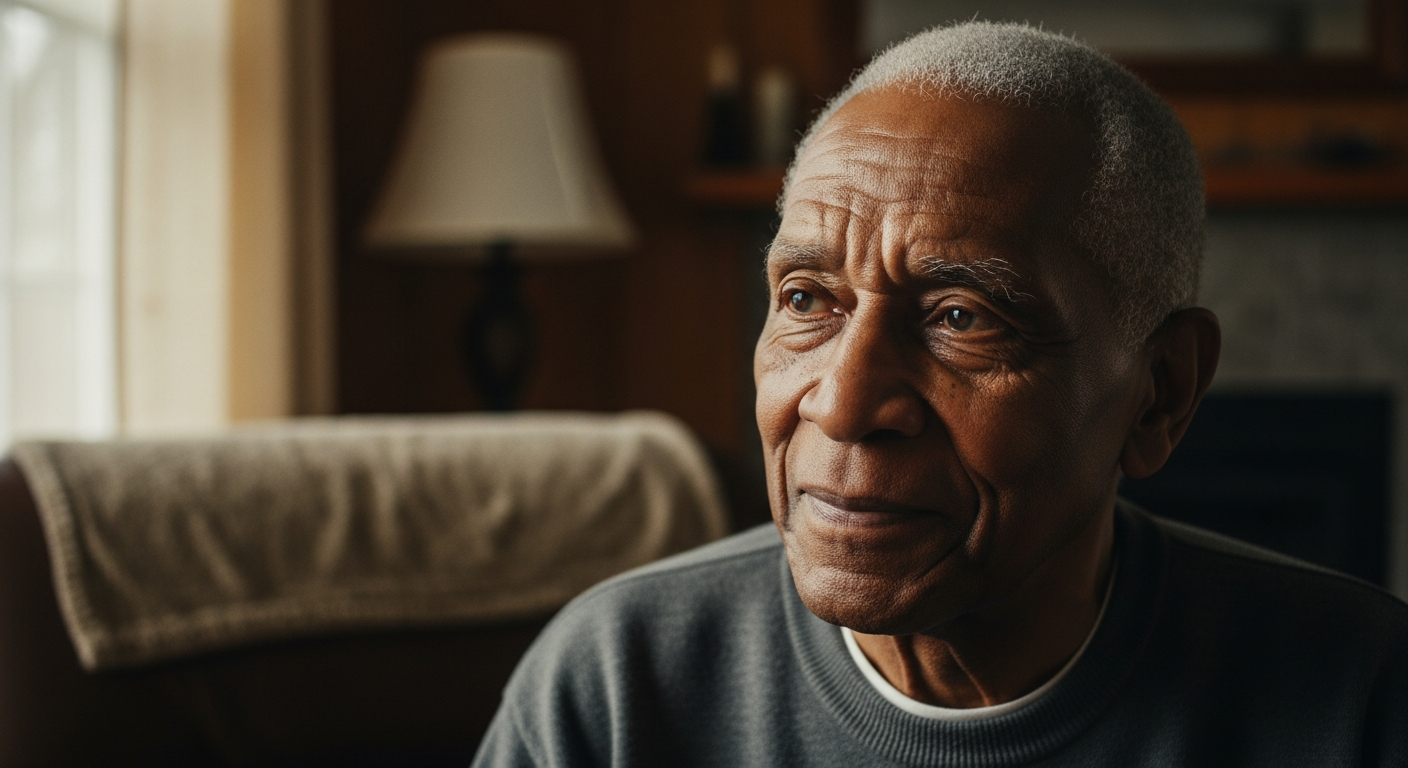
Housing Modifications for Common Chronic Illnesses
| Illness | Key Modifications | Estimated Cost | Why It Matters |
|---|---|---|---|
| Fibromyalgia | Pain management: Accessible entrance, mobility aids storage, ergonomic living spaces | $8,000–$15,000 | Reduces pain from movement; enables independence |
| ME/CFS | Fatigue management: Single-floor living, bedroom/bathroom proximity, air quality | $12,000–$25,000 | Reduces exertion; prevents post-exertional deterioration |
| Long COVID | Immune support: Air filtration, isolated bedroom, climate control | $6,000–$15,000 | Manages immune dysregulation; prevents relapses |
| Rheumatoid arthritis | Mobility: Ramps, wider doors, no-threshold showers, grab bars | $10,000–$20,000 | Enables participation in daily living |
| Neurological conditions (MS, Parkinson's) | Mobility + cognitive: Handrails, single-floor, simplified systems | $15,000–$30,000 | Prevents falls; reduces cognitive demand |
Government Support: Disability Benefits + Home Accessibility Grants
Adult children with chronic illnesses may qualify for government supports:
Registered Disability Savings Plan (RDSP)
- Eligibility: Child approved for CPP-D or ODSP; registered disability
- Benefit: Government contributions up to $70,000 lifetime + tax-deferred growth
- RDSP use: Can fund housing costs, care support, accessibility modifications
- Advantage: Combined with reverse mortgage, RDSP funds can accelerate modifications
Accessible Housing Tax Credit (Federal)
- Eligibility: Anyone modifying home for disability accessibility
- Benefit: 15% federal tax credit on eligible expenses
- Example: $15,000 in modifications = $2,250 federal tax credit
Ontario Home Accessibility Program (HAP)
- Eligibility: Low-income households with members having mobility limitations
- Benefit: Grants up to $15,000 for accessibility modifications
- Process: Apply through your municipal home repair program
Strategic approach: Combine reverse mortgage funds with government programs:
- RDSP provides capital for modifications
- Home Accessibility Grant covers direct costs
- Reverse mortgage bridges gap and funds care support systems
Caregiver Support: Funding Sustainable Care
One major benefit of a reverse mortgage for parents of adult children with chronic illness: it can fund professional or family caregiver support, reducing burden on aging parents.
Caregiver Options:
| Support Type | Cost | Benefit |
|---|---|---|
| Part-time caregiver (12 hrs/week) | $1,500–$2,000/month | Respite for parent; consistency for adult child |
| Respite care (backup caregiver) | $800–$1,200/month | Emergency backup if primary caregiver unavailable |
| Home health aide (3x/week) | $1,200–$1,800/month | Medical-level support; wound care, medication management |
| Meal preparation service | $300–$500/month | Reduces parental burden; ensures nutrition |
| Medical appointment coordination | $200–$400/month | Manages appointments, prescriptions, logistics |
A $30,000–$40,000 reverse mortgage draw can fund part-time caregiver services for 2–3 years, significantly reducing parental burden and improving the adult child's quality of life.
Estate Planning: Securing Your Adult Child's Housing After You're Gone
The deepest worry for most parents: "What happens to my child when I'm gone?"
A reverse mortgage combined with proper estate planning addresses this:
- Designate a trustee — name a responsible friend, sibling, or professional fiduciary to manage housing after your death
- Establish a trust — funds designated in will go directly to trustee for child's housing
- Document care needs — detailed records of child's medical, accessibility, and support requirements
- Plan housing: Options include:
- Sell home, use proceeds for trust fund — reverse mortgage is repaid; remaining equity funds long-term housing support for child
- Gift home to trustee — trustee manages property; ensures child retains safe, accessible housing
- Home + cash trust — combination of home ownership + trust funds for care costs
Example Estate Plan:
- Home worth $550,000
- Reverse mortgage balance at death: $80,000
- Net estate from home: $470,000
- Trustee uses $300,000 to create guaranteed housing fund for child
- Remaining $170,000 covers care support, modifications, medical costs over child's lifetime
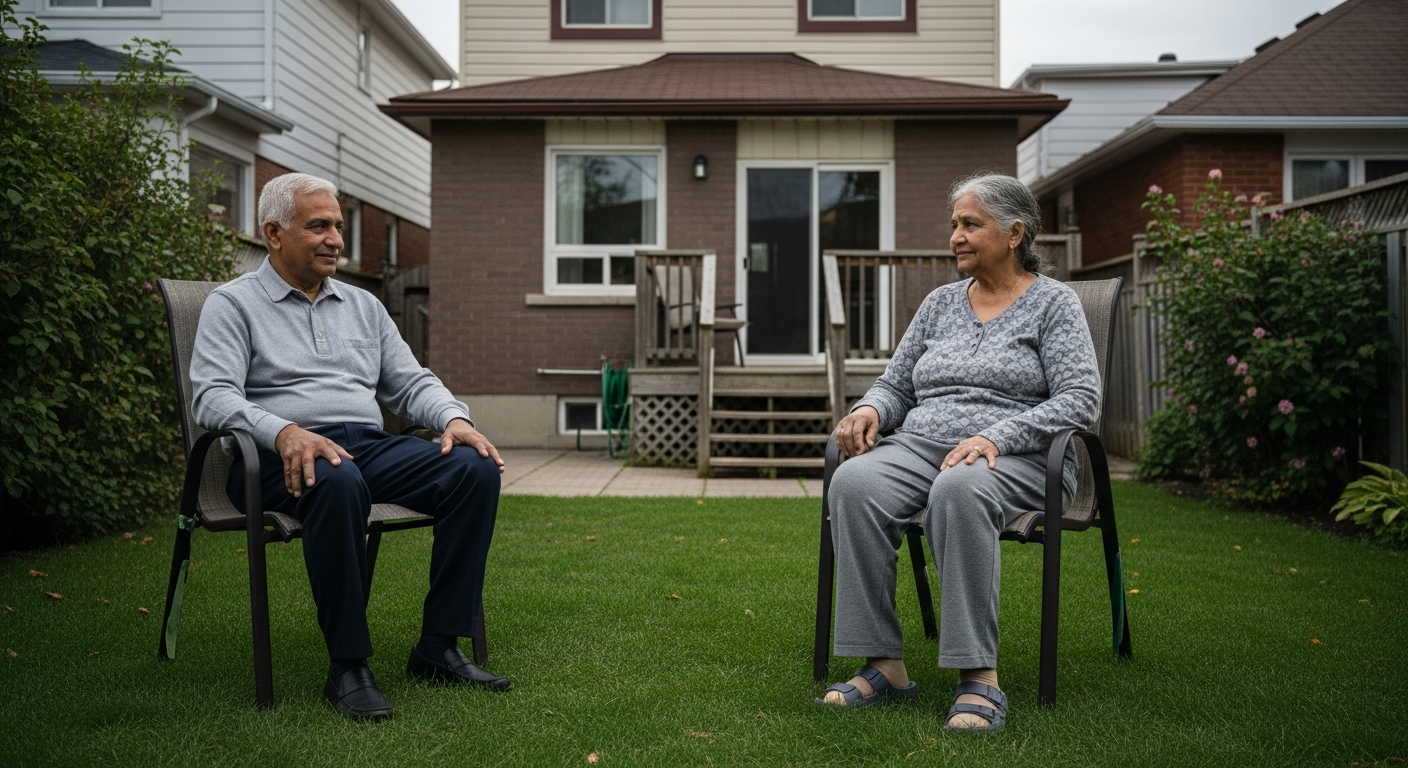
CPP Disability Benefit Coordination
Many adult children with chronic illnesses receive Canada Pension Plan - Disability (CPP-D) — approximately $1,300–$1,500/month. However, CPP-D alone doesn't cover housing, care, or medications.
A reverse mortgage provides supplementary income supporting housing and care costs not covered by CPP-D:
| Monthly Cost | CPP-D Covers | Reverse Mortgage/Family Covers |
|---|---|---|
| Rent/Housing | $0 | $1,200–$1,500/month |
| Care support | $0 | $1,500–$2,000/month |
| Medications | Partial | $300–$500/month shortfall |
| Accessible modifications | $0 | Periodic funding |
A reverse mortgage ensures these gaps are filled without depleting parent's retirement savings.
Legal Documentation and Caregiver Agreements
When providing long-term housing and support to an adult child with chronic illness, document the arrangement:
Caregiver Agreement (Parent + Child):
- Describes support provided (housing, care, medical coordination)
- Outlines expectations and responsibilities
- Addresses what happens if parent becomes unable to provide care
- Clarifies financial arrangements
- Cost to prepare: $500–$1,200 (lawyer)
Advance Directive / Power of Attorney:
- Names child or trustee to manage parent's affairs if parent becomes incapacitated
- Critical if parent becomes ill and can't manage child's care coordination
- Cost: $300–$800
Will / Estate Plan:
- Designates trustee for child's housing and care
- Clarifies how home and remaining assets support child's long-term needs
- Cost: $500–$1,500 (lawyer-prepared; often coordinated with reverse mortgage planning)
Reverse Mortgage Lenders: Supporting Adult Children with Disabilities
All major reverse mortgage lenders — CHIP, Equitable Bank, Bloom Financial — recognize the importance of supporting families with members facing chronic illness. Ask Rick Sekhon Reverse Mortgages about structuring draws for long-term adult child support including housing modifications and caregiver funding.
Quick Reference: Reverse Mortgage + Chronic Illness Support
| Category | Typical Use | Cost |
|---|---|---|
| Housing modifications | Accessibility, sensory management, medical equipment | $15,000–$30,000 |
| Caregiver support (2–3 years) | Part-time, respite, coordination | $25,000–$40,000 |
| Medical equipment/supplies | Mobility aids, medical devices, treatment costs | $5,000–$10,000 |
| Estate planning | Legal documentation, trustee setup | $2,000–$3,000 |
| Emergency reserve | Unexpected costs, medical needs | $5,000–$10,000 |
| Total suggested RM draw | Comprehensive support plan | $50,000–$75,000 |
Frequently Asked Questions
Can my adult child with chronic illness be named as joint borrower on a reverse mortgage?
Typically, no. Reverse mortgages require borrowers to be 55+ and on title to the home. If your adult child is on title, they may be required to be a joint borrower, which complicates the arrangement. Consult with Rick Sekhon Reverse Mortgages about your specific situation.
What if my adult child's condition worsens and they need institutional care?
A reverse mortgage provides funds for escalating care needs. However, if institutional care becomes necessary, the home may need to be sold (triggering reverse mortgage repayment). Plan ahead with your estate lawyer about how to fund ongoing care if home is sold.
Does supporting my adult child affect my benefits (GIS, OAS)?
Supporting a child in your home doesn't directly affect OAS/GIS. However, if you formally employ your child or pay them a wage, income documentation matters for tax purposes. Consult a tax accountant about the specific arrangement.
Can I structure the reverse mortgage so my adult child can stay in the home after I'm gone?
Yes. Work with your estate lawyer and reverse mortgage specialist to create a plan where:
- Home is held in trust for child's benefit
- Trustee manages property
- Reverse mortgage is repaid from other estate assets
- Child retains housing security
This requires careful planning but is achievable.
What if my adult child has legal disputes or creditors?
Work with a lawyer to protect the home through trust arrangements. Assets in trust are often protected from creditor claims. Discuss this in estate planning.
Your Adult Child's Housing Matters
Parents supporting adult children with chronic illnesses carry an enormous burden — emotional and financial. A reverse mortgage can lighten that load by providing capital for accessible housing modifications, caregiver support, and long-term security.
If your adult child with chronic illness lives with you, exploring a reverse mortgage for housing and care support is worth discussing with a reverse mortgage specialist and estate lawyer.
Ready to Learn More?
Get the free Ontario Reverse Mortgage Guide and find out exactly how much you could unlock from your home.
Get My Free Guide →Related Articles
Reverse Mortgage for Home Accessibility: Age in Place Renovations
Fund accessibility renovations and aging-in-place modifications using reverse mortgage proceeds in Ontario.
Read →Reverse Mortgage When Your Adult Child Can't Work: Supporting Mental Health Recovery
Discover how a reverse mortgage can help you support an adult child facing mental health crises, burnout, or disability without jeopardizing your retirement.
Read →Reverse Mortgage to Support Adult Children with Disabilities
Discover how Ontario parents can use reverse mortgages to establish financial support for adult children with developmental disabilities and ongoing care needs.
Read →