
Reverse Mortgage and Spousal Wealth Inequality: Protecting Both Partners
When spouses have unequal assets, reverse mortgages offer flexible solutions to protect financial security and ensure retirement fairness.
What happens to retirement when one partner has significant assets and the other has very little? In many Ontario households, spousal wealth is unequal — one partner may have pensions, investments, and home equity while the other has limited retirement savings or income. A reverse mortgage can bridge this gap, ensuring both partners maintain dignity, security, and independence in retirement.
This article is for educational purposes only and does not constitute financial advice.
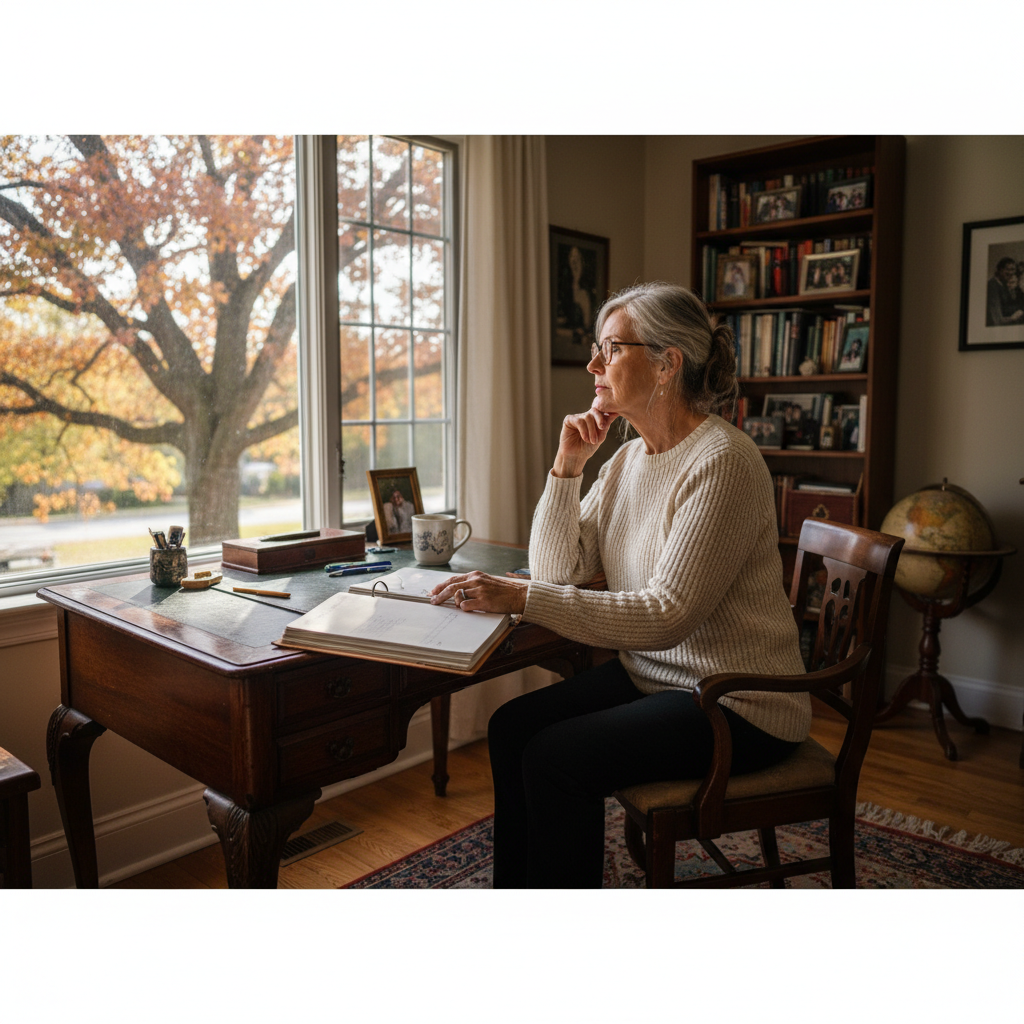
The Wealth Inequality Reality in Retirement
Spousal wealth inequality is more common than most people realize. The reasons are varied:
- Career gaps: One partner took time out to raise children; the other maintained continuous income
- Career choices: One partner earned significantly more throughout their career
- Inheritance differences: One partner inherited assets or property; the other did not
- Business ownership: One partner owns a business; the other does not
- Investment acumen: One partner made savvy investment decisions; the other remained conservative
In heterosexual relationships, research shows the gap often favors men, who typically had fewer career interruptions. In same-sex couples and diverse family structures, the pattern can vary, but the underlying dynamic — one partner with substantially more wealth than the other — creates genuine retirement challenges.
The Psychological and Financial Impact
Spousal wealth inequality doesn't just affect bank accounts. According to research from the Financial Consumer Agency of Canada (FCAC), it affects:
- Power dynamics: The wealthier partner may feel entitled to make financial decisions unilaterally
- Autonomy: The less-wealthy partner may feel dependent or diminished
- Retirement timing: The wealthier partner may want to retire; the less-wealthy partner feels forced to work longer
- Lifestyle compromises: The less-wealthy partner may sacrifice experiences or healthcare to avoid "burdening" the wealthier partner
- Post-loss security: If the wealthier partner passes away, the surviving spouse may face sudden financial vulnerability
A reverse mortgage can address many of these concerns by ensuring that both partners have access to resources and that home equity — typically the couple's largest joint asset — is leveraged fairly.

How Reverse Mortgages Address Wealth Gaps
Scenario 1: Ensuring Equal Access to Resources
The Situation: David has $1.2 million in investments and a company pension. His wife, Jennifer, has $200,000 in savings and a modest CPP entitlement. Their home is worth $850,000, owned jointly but felt to be "David's" because he earned the down payment.
The Problem: David is comfortable retiring at 62. Jennifer feels she can't retire because her own resources are insufficient. This creates resentment — Jennifer works while David travels; they argue about money.
The Reverse Mortgage Solution: A reverse mortgage for $300,000 (using about 40% of the home's value) is structured so that Jennifer receives monthly payments of $1,800. Suddenly, Jennifer has independent income that doesn't depend on David's assets. She can retire when she chooses. The home equity is now explicitly benefiting both partners.
Benefit: Jennifer maintains autonomy. The couple shifts from unequal power dynamics to a partnership where both have independent income streams.
Scenario 2: Protecting the Less-Wealthy Spouse
The Situation: Margaret has been home with children and grandchildren. Her husband, Robert, has a six-figure pension and $800,000 in investments. Their home is worth $950,000 in Greater Toronto Area. Robert is in poor health; Margaret dreads what will happen if he dies.
The Problem: If Robert dies, Margaret will receive his pension (reduced survivor benefit, typically 60%), but her own retirement income is minimal. She has never worked full-time and doesn't qualify for CPP at the level she needs. Without Robert's income, she worries about maintaining the home or her lifestyle.
The Reverse Mortgage Solution: Robert and Margaret establish a reverse mortgage line of credit for $250,000. If Robert dies, Margaret can draw on this line to supplement her income for years. It's insurance against financial hardship without requiring traditional insurance policies (which may be unaffordable at his age or health status).
Benefit: Margaret knows she won't be left in poverty. Robert knows his wife is protected. The reverse mortgage line of credit acts as a safety net.
Scenario 3: Enabling the Less-Wealthy Partner to Catch Up
The Situation: Both partners worked, but Sandra earned significantly less. Her retirement savings are $300,000. Her husband, Tom, has $1.8 million in investments and multiple pensions. Their joint home is worth $1.1 million in Toronto.
The Problem: Tom wants to retire and travel. Sandra feels left behind — she can't retire with dignity on $300,000 and her modest CPP. The wealth gap means Sandra will need to work longer, creating relationship strain.
The Reverse Mortgage Solution: A reverse mortgage line of credit for $200,000 is established in Sandra's name (she maintains full control). Sandra uses this to:
- Bridge the gap to her OAS eligibility, allowing earlier retirement
- Invest in a TFSA to grow her assets
- Fund her own travel and experiences
Benefit: Both partners retire together. Sandra's financial security improves. They maintain a partnership dynamic rather than a "provider/dependent" dynamic.
Reverse Mortgage Strategies for Unequal Wealth
| Strategy | Best For | How It Works |
|---|---|---|
| Income Equalization | Partners retiring at different times | Less-wealthy partner receives reverse mortgage monthly income |
| Safety Net Line of Credit | Protecting surviving spouse | Accessible funds in case of death or emergency |
| Asset Catch-Up | Less-wealthy partner building wealth | Reverse mortgage funds invested in TFSA/RRIF |
| Legacy Alignment | Fair inheritance for heirs | Wealthy partner's assets preserved; less-wealthy partner's home equity accessed |
| Separate Borrowing | Maintaining autonomy | Each spouse has their own reverse mortgage for their portion of equity |
Legal and Emotional Considerations
Before using a reverse mortgage to address wealth inequality, the couple should:
1. Have an Explicit Conversation
Many couples avoid discussing money openly. Using a reverse mortgage as a tool forces the conversation:
- "What does fairness look like in our retirement?"
- "How do we ensure both of us feel secure?"
- "If one of us dies, will the other be OK?"
- "Do we want our kids to inherit equally, or based on need?"
According to FCAC, couples who discuss finances before retirement have significantly better outcomes in both satisfaction and security.
2. Establish Clear Ownership
If the reverse mortgage is taken in one spouse's name, specify whether it's:
- Solely owned (only that spouse has access)
- Joint (both spouses can draw, both liable)
- For the benefit of both (explicitly stated in documents)
Independent legal advice is required in Ontario to clarify ownership and protect both spouses.

3. Communicate with Adult Children
Adult children often have opinions about a parent's reverse mortgage — especially if inheritance is involved. In cases of spousal wealth inequality, children may worry that one parent is protecting the other at the expense of their inheritance, or vice versa.
Have these conversations early:
- "We're using the home equity to ensure both parents are comfortable"
- "Here's how much we expect to remain in the estate"
- "This decision allows your less-wealthy parent to retire with dignity"
Real Example: The Unequal Partnership
Victor and Maya: Victor built a successful consulting practice and has $2.3 million in assets plus a home worth $1.2 million in Toronto. Maya worked part-time in education, earning less than $60,000/year, and has $400,000 in personal savings.
When Victor decides to sell his business and retire at 60, Maya panics. On her own, she has maybe $700/month in CPP (eventually) plus her modest savings. Victor assures her he'll support her, but Maya feels diminished. She envisions becoming dependent on Victor for everything.
Their Solution: A reverse mortgage for $250,000 (approximately 20% of home value) is structured to provide Maya with $1,500/month income. Suddenly:
- Maya has her own income
- She maintains independence
- She can pursue interests without feeling like she's spending "Victor's money"
- Victor knows his wife is secure
- Their relationship dynamic shifts from provider/dependent to partners
The cost? Interest accrues at approximately 6.5%, growing the balance to roughly $340,000 over 10 years. Victor and Maya accept this because the relationship benefit — genuine partnership, not patronage — is worth far more than the reduced inheritance.
Trade-Offs and Considerations
Interest Accrual
When addressing wealth inequality, couples sometimes forget that interest accrues. If Maya and Victor wait 15 years before addressing the reverse mortgage, it could grow to $500,000. That's significant.
Inheritance Impact
If you're the less-wealthy spouse, using the home equity improves your retirement but reduces what your children inherit. Ensure everyone understands this trade-off.
Both Spouses Must Agree
Even if the home is in one name, both spouses must consent to a reverse mortgage in Ontario (through independent legal advice). One partner cannot unilaterally use the home equity without the other's knowledge.
Frequently Asked Questions
Can I get a reverse mortgage in just one spouse's name if the home is joint?
No. In Ontario, both spouses must provide independent legal advice consent before a reverse mortgage is registered on a jointly-owned home. Both are equally liable unless specifically structured otherwise.
What if one spouse refuses a reverse mortgage?
If the wealthy spouse refuses to use the home equity to help the less-wealthy spouse, the less-wealthy spouse has limited options:
- Request mediation or couples financial counseling
- Pursue separation or divorce (which would trigger property division)
- Work longer to build their own savings
- Accept the dynamic and plan accordingly
Does spousal wealth inequality affect my CPP benefits?
No. CPP is based on your individual work history, not your spouse's wealth. However, if you have lower CPP due to career interruptions, a reverse mortgage can supplement it. Spousal CPP (where one spouse contributes to the other's CPP through the Earnings Share) is separate and not affected by a reverse mortgage.
If I'm less wealthy, should the reverse mortgage be in my name only?
This depends on your situation and legal advice. If you want independent control, it could be in your name. If you want joint protection, it could be joint. Independent legal advice clarifies the implications for both partners.
What happens if one partner passes away?
If the reverse mortgage is in both names, the surviving spouse can continue living in the home and remains responsible for the loan. If it's in one name, the surviving spouse may need to refinance or the heirs may need to repay the balance. These scenarios require explicit discussion with a lawyer and lender before setting up the reverse mortgage.
Speak to a licensed mortgage professional. Independent legal advice is required before closing a reverse mortgage in Ontario.
Consult an estate planning lawyer for advice specific to your family situation.
This content is for illustrative purposes only. Rates may vary. Call Rick Sekhon for the best rates and more information.
Ready to Learn More?
Get the free Ontario Reverse Mortgage Guide and find out exactly how much you could unlock from your home.
Get My Free Guide →Related Articles
Can Both Spouses Be on a Reverse Mortgage in Ontario?
Explore joint reverse mortgage options for couples, including spousal succession, estate implications, and planning considerations.
Read →Reverse Mortgage for Income-Gap Couples: Managing Unequal Retirement Income
How couples with unequal CPP and pension income can use a reverse mortgage to balance retirement finances and protect the lower-income spouse.
Read →Reverse Mortgage for Recently Retired Couples Adjusting to One Income in Ontario
How recently retired Ontario couples can use a reverse mortgage to bridge the income gap when going from two working incomes to pension-only. Covers CPP/OAS coordination, spousal protection, and payment options.
Read →