
Reverse Mortgage for a Sabbatical Year in Early Retirement (Age 55–65)
Use a reverse mortgage to fund a sabbatical year—time off for travel, creativity, family, or recovery. Ontario guide for early retirement transitions between 55 and 65.
Do you dream of taking a year off for travel, creative pursuits, or family time before retirement? A reverse mortgage can fund a sabbatical year (age 55–65) without forcing you into full retirement or derailing your long-term financial security.
This article is for educational purposes only and does not constitute financial advice.
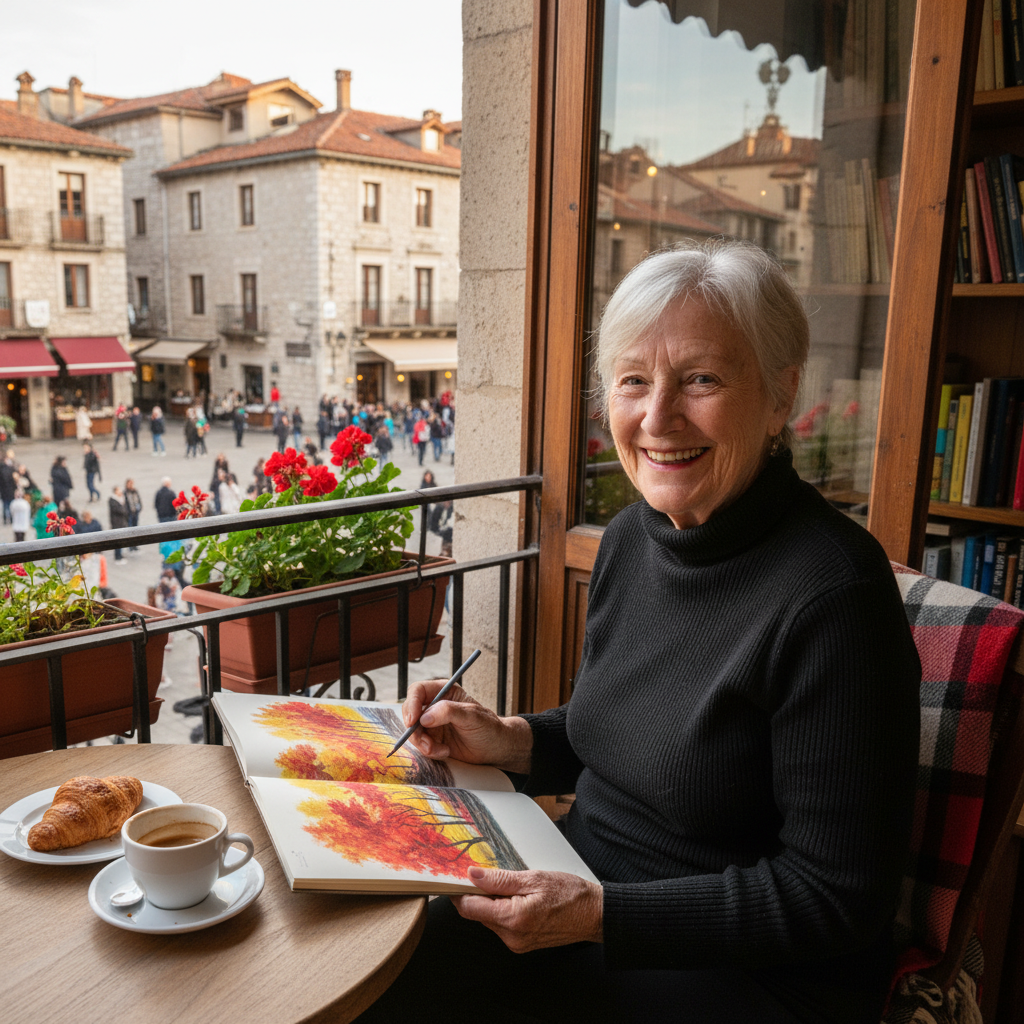
The Sabbatical Dream vs. Financial Reality
Many Canadians in their late 50s fantasize about stepping away from work for a year:
- Travel extensively (6–12 months in Europe, Southeast Asia, or other regions)
- Pursue a creative project (write a book, develop art, build a business prototype)
- Recover from burnout or manage health issues (therapy, rehabilitation, stress recovery)
- Spend focused time with family (multigenerational travel, caring for aging parents)
- Sabbatical career transition (training for a new field before pivoting at 60–65)
The financial barrier is real: taking a year off work costs $50,000–$150,000 depending on lifestyle. Most people defer this dream until "someday," which never arrives.
A reverse mortgage makes the sabbatical year immediate and affordable, without depleting retirement savings or forcing you into CPP early (at reduced rates).

How a Reverse Mortgage Funds a Sabbatical Year
Instead of saving $100,000–$150,000 over 10 years, access your home equity now via a reverse mortgage. This allows you to:
✓ Take a year off immediately ✓ Preserve retirement investments (no forced liquidation) ✓ Return to work after the sabbatical (CPP timing remains optimal) ✓ Access funds interest-only (no monthly repayment pressure) ✓ Maintain lifestyle transition (gradual shift from full-time work to retirement)
| Sabbatical Goal | Typical Cost | Reverse Mortgage Approach |
|---|---|---|
| Travel (6 months international) | $50,000–$80,000 | Lump sum or monthly draws, interest-only |
| Extended family caregiving | $30,000–$60,000 | Monthly draws cover gap year income loss |
| Creative project/writing retreat | $30,000–$50,000 | Access funds while pursuing project |
| Burnout recovery/therapy | $20,000–$40,000 | Support mental health year without forced work |
| Career transition training | $25,000–$60,000 | Fund education/certification while not working |
According to research on sabbaticals, people who take intentional time off between careers report higher satisfaction and better burnout recovery than those who work continuously until full retirement.
The Financial Math: Sabbatical Year on Reverse Mortgage vs. Early CPP
Many people consider early CPP drawdown to fund sabbatical time. Here's why reverse mortgage is smarter:
| Strategy | Year 1 Funding | CPP Impact | Retirement Outcome |
|---|---|---|---|
| CPP early at 55 | CPP + savings | Reduced 36% forever | $18,000/year CPP vs. $28,000 at 65 |
| CPP early at 60 | CPP + savings | Reduced 25% forever | $21,000/year CPP vs. $28,000 at 65 |
| Reverse mortgage sabbatical | Reverse mortgage funds | No CPP impact | $28,000/year CPP when you turn 65 |
Over 20 years post-retirement, the CPP loss is staggering:
- Early CPP: $360,000–$420,000 total CPP
- Delayed CPP (funded via reverse mortgage): $560,000 total CPP
- Difference: $140,000–$200,000 in lost CPP due to early drawdown
A reverse mortgage is significantly cheaper than taking CPP early.
Structuring Your Sabbatical Year Financially
Option A: Lump Sum for 12 Months
Access $50,000–$100,000 upfront. Use for travel, housing, and daily expenses. Return to work after the year. Reverse mortgage remains, growing interest, but your work income supports it.
Option B: Monthly Draws During Sabbatical
Draw $3,000–$5,000/month for 12 months. Covers living expenses while you travel or work on a project. Flexibility if you return to work partway through.
Option C: Hybrid (Lump Sum + Monthly)
$40,000 upfront for travel or setup, plus $2,000/month for living expenses. Covers both major expenses and daily costs.
Timeline:
- Age 55: Apply for reverse mortgage, receive approval (3 weeks)
- Age 55–56: Sabbatical year (funded by reverse mortgage draws)
- Age 56–65: Return to work, build back savings, let reverse mortgage interest compound
- Age 65: Transition to full retirement with optimal CPP timing
Real-World Scenarios
Scenario 1: Global Travel Sabbatical
Sarah, 58, wants to travel for 10 months. Current home value: $600,000. Reverse mortgage max: $330,000 (55%). Travel cost: $80,000 (12 months at $6,500/month).
- Access: $80,000 lump sum
- Return to work at 59 for 6 years
- At 65: Retire with full CPP, reverse mortgage repaid partially from work income
- Outcome: Sabbatical taken, full CPP intact, financial security maintained
Scenario 2: Creative Pursuit + Burnout Recovery
Marcus, 62, needs a break from management. He wants to pursue writing and manage health issues. Cost: $45,000 (living expenses for 18 months at reduced work schedule).
- Access: $45,000, drawn monthly as $2,500/month
- Reduce to part-time work, write on the side
- After 18 months, reassess career (maybe return to full-time, maybe transition to consulting)
- Reverse mortgage flexibility allows him to extend if healing takes longer
Scenario 3: Career Transition Training
Jennifer, 55, wants to shift from accounting to life coaching. Training program: $8,000. But living expenses while not working full-time: $40,000 annually.
- Access: $40,000 draws during training year
- Transition to part-time coaching, build clientele over 2 years
- At 57, coaching income grows; reduces reliance on reverse mortgage draws
- Full retirement at 65 with both pension + coaching income + full CPP
The Honest Drawbacks
A reverse mortgage sabbatical is not risk-free:
- Interest compounds — If you don't return to work or your earnings drop, interest keeps growing
- Reduced inheritance — Your heirs receive less after the reverse mortgage is settled
- Market risk — If the real estate market drops 20%, your equity shrinks and borrowing capacity decreases
- Requires discipline — The sabbatical must genuinely be a break for growth, not an escape from financial responsibility
Frequently Asked Questions
Can I use a reverse mortgage for a sabbatical if I'm still employed?
Yes. You don't need to be retired. As long as you're 55+, own your home, and have equity, you can access funds regardless of employment status.
What if I don't return to work and the reverse mortgage interest keeps growing?
This is a real risk. If you take a sabbatical and genuinely retire instead, the reverse mortgage interest will compound. Budget carefully—ensure the sabbatical is truly a bridge, not a disguised early retirement.
How does a reverse mortgage sabbatical affect my RRSP or TFSA?
It doesn't. The reverse mortgage is separate from retirement accounts. You can still contribute to RRSP/TFSA if you have room, and retirement savings remain untouched.
Can I extend my sabbatical if I'm not ready to return to work?
Yes. You can extend monthly draws or request additional access if you have remaining equity. However, this increases interest costs and reduces the sabbatical's affordability.
What if my home value drops during my sabbatical year?
Home values can fluctuate. If your home drops $100,000 in value, your borrowing capacity decreases, but existing reverse mortgage remains the same. This is a market risk, not a reverse mortgage risk.
Speak to a licensed mortgage professional. Independent legal advice is required before closing a reverse mortgage in Ontario.
This content is for illustrative purposes only. Rates may vary. Call Rick Sekhon for the best rates and more information.
Ready to Learn More?
Get the free Ontario Reverse Mortgage Guide and find out exactly how much you could unlock from your home.
Get My Free Guide →Related Articles
Reverse Mortgage for Active Retirement (Age 55–65): Funding Travel and Lifestyle
Early retirees (55–65) face a unique challenge: long lifespan, high lifestyle costs, portfolio longevity. Learn how a reverse mortgage can fund active retirement adventures without portfolio depletion.
Read →Retiring Early at 60: Bridging the CPP Income Gap With a Reverse Mortgage (Ages 60-65)
Retire before CPP eligibility at 60 using a reverse mortgage to bridge income gap until age 62-65. Early retirement strategy for Ontario seniors.
Read →Using a Reverse Mortgage to Fund Retirement Travel in Canada
Can you use a reverse mortgage to fund retirement travel in Canada? Learn how snowbirds and retirees access home equity for travel without monthly payments.
Read →