
Reverse Mortgage for Your Retirement Hobby Business: Turning Passion Into Income
Transform your retirement hobby into a small income-generating business. Use a reverse mortgage to fund startup costs for creative entrepreneurship.
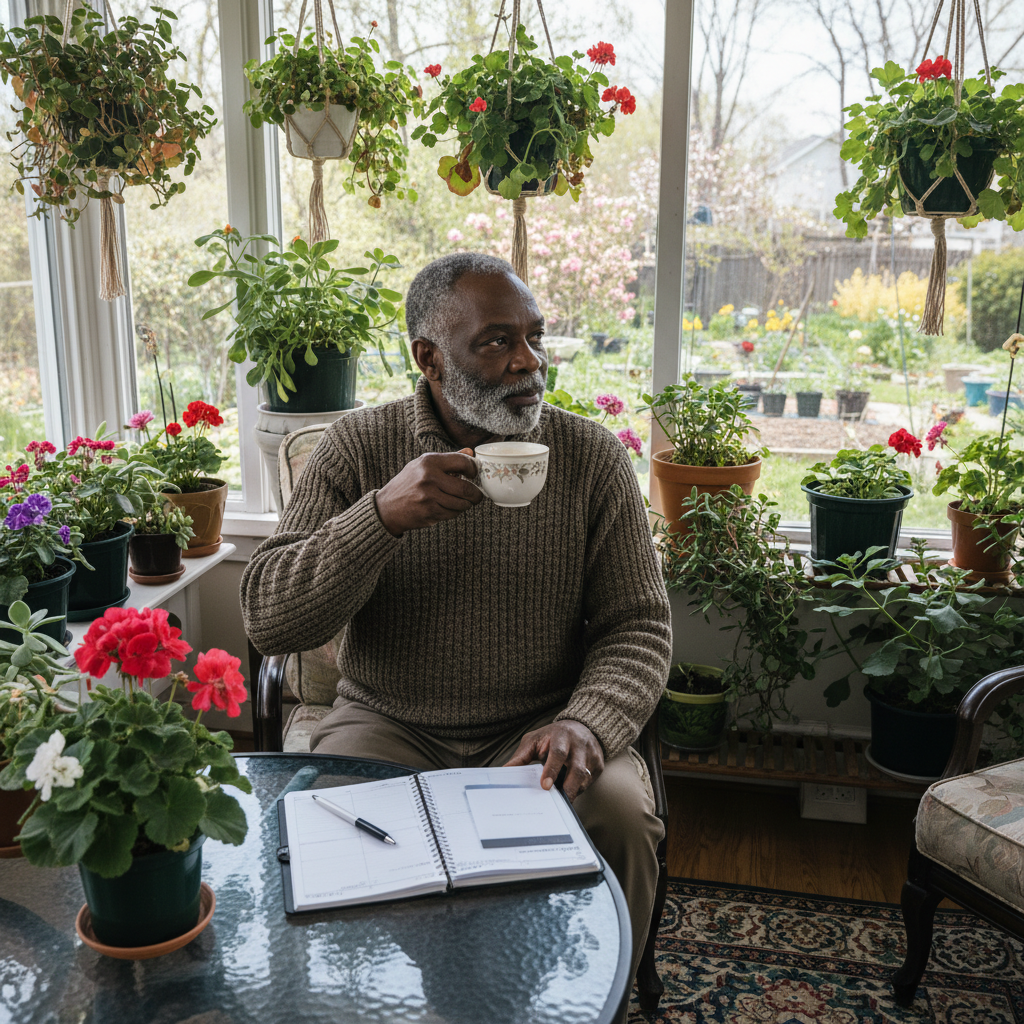
Could your retirement passion project become a modest income source? Many retirees have skills, creativity, or expertise—woodworking, painting, writing, crafting, consulting—that could generate income. But startup costs feel prohibitive on fixed income: equipment, supplies, professional setup, initial marketing. A reverse mortgage funds the $5,000–$20,000 startup that transforms your hobby into a revenue-generating retirement business. This isn't about getting rich—it's about staying engaged, generating modest income, and sharing your passion with others.
This article is for educational purposes only and does not constitute financial advice.
The Hobby-to-Business Opportunity in Retirement
Retirement hobbies often have untapped commercial potential. The digital economy makes it possible to monetize niche skills without traditional business infrastructure—no storefront, no employees, minimal overhead.
Common Retirement Hobby Businesses
| Hobby | Startup Cost | Annual Revenue Potential | Examples |
|---|---|---|---|
| Woodworking/crafts | $3,000–$8,000 | $8,000–$25,000 | Etsy shop, craft shows, custom orders |
| Writing/editing | $500–$2,000 | $5,000–$20,000 | E-books, freelance editing, newsletter |
| Consulting | $2,000–$5,000 | $15,000–$50,000 | Expert advice, training, coaching |
| Photography | $2,000–$8,000 | $5,000–$20,000 | Portraits, stock photography, print sales |
| Digital art/design | $1,000–$4,000 | $8,000–$30,000 | Etsy, Fiverr, freelance projects |
| Tutoring/teaching | $500–$2,000 | $10,000–$25,000 | Online courses, one-on-one instruction |
| Jewelry making | $2,000–$6,000 | $5,000–$20,000 | Etsy shop, Instagram, pop-up markets |
| Home baking/specialty foods | $3,000–$8,000 | $8,000–$25,000 | Local markets, online orders, catering |
Most don't aim to replace full-time employment. Rather, modest annual revenue ($10,000–$20,000) supplements CPP/OAS and provides ongoing engagement, purpose, and connection.
Why Reverse Mortgage Funding Makes Sense for Hobby Businesses
Reverse mortgage funding is ideal for hobby-to-business transformation because it requires no monthly payments and no income verification.
Why This Matters for Retirees
Traditional business loans require:
- Recent tax returns showing business income (you don't have it yet)
- Proof of ability to make monthly payments (fixed income is considered risky)
- Detailed business plan and financial projections (many retirees are informal)
- Personal credit checks (older adults often have less active credit)
A reverse mortgage bypasses all this:
- No income verification required
- No monthly payments while you're alive
- Flexible access (draw as you need startup funds)
- Simple approval process (age 55+, home ownership)
This makes it the ideal startup funding mechanism for older entrepreneurs.
Real Examples: Hobby-to-Business Success
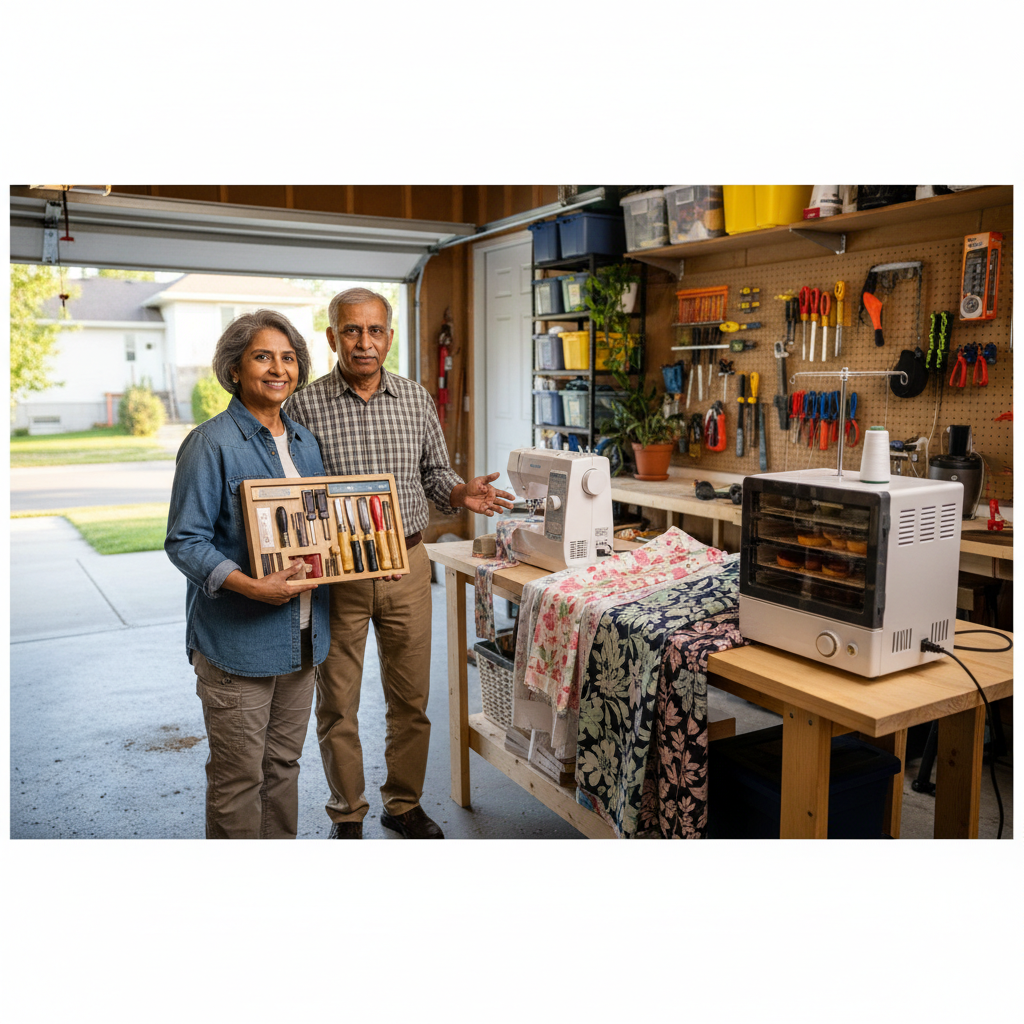
Example 1: Margaret's Woodworking Studio Margaret, 68, has woodworked for 20 years. She wants to sell her work at craft shows and online. She draws $8,000 via reverse mortgage for:
- Woodshop equipment upgrades: $4,000
- Etsy shop setup & photography: $2,000
- Craft show booth rental (first year): $1,500
- Initial inventory: $500
Within 18 months, she generates $15,000 annually from Etsy sales and craft show revenue. She's covered her startup costs and now earns ongoing income from work she loves.
Example 2: David's Consulting Side Business David, 72, retired from IT management but has 40 years of expertise. He wants to offer consulting to small businesses. He draws $5,000 for:
- Website & online booking system: $1,500
- LinkedIn profile branding: $500
- Initial marketing (ads, networking): $2,000
- Office setup/supplies: $1,000
Within 6 months, he has 4 regular clients at $100/hour consulting. He generates $12,000–$16,000 annually while working 10–15 hours weekly—deeply meaningful engagement.
Startup Costs by Hobby-Business Type
Different hobbies have different startup requirements. A reverse mortgage can fund any of them.
| Business Type | Equipment | Platform/Setup | Marketing | Initial Inventory | Total |
|---|---|---|---|---|---|
| Etsy craft shop | $2,000–$5,000 | $500 | $1,500 | $1,500 | $5,500–$8,500 |
| Consulting/coaching | Minimal | $2,000–$3,000 | $2,000 | N/A | $4,000–$5,000 |
| Online course creator | $500–$2,000 | $1,500–$3,000 | $1,500 | N/A | $3,500–$6,500 |
| Freelance writer/editor | Minimal | $500 | $1,000 | N/A | $1,500–$2,000 |
| Photography business | $3,000–$8,000 | $1,000–$2,000 | $1,500 | N/A | $5,500–$11,500 |
| Home-based bakery | $2,000–$6,000 | $1,000 | $500 | $1,000 | $4,500–$8,500 |
| Digital art/design services | $1,000–$3,000 | $500 | $1,000 | N/A | $2,500–$4,500 |
Most hobby businesses cost $5,000–$12,000 to launch properly—well within typical reverse mortgage draws.
According to Small Business BC and the Canadian Federation of Independent Business, retirees launching hobby-based businesses have remarkably high success rates (70–80% of businesses survive year 3) because they're driven by passion, not pure profit motive. Additionally, many generate modest but sufficient income to sustain themselves with minimal overhead.
The Psychology of Hobby-to-Business Transformation
Beyond income, hobby-to-business transformation delivers profound psychological and social benefits.
Benefits Beyond Money
| Benefit | Impact | Example |
|---|---|---|
| Purpose/meaning | Structured daily engagement | "I'm a woodworker," not just "I'm retired" |
| Social connection | Customers, peers, community | Craft show booths, online audiences, client relationships |
| Learning/growth | Continuous skill development | New techniques, marketing, digital platforms |
| Identity continuity | Continuity from work self | Consultant identity extends into retirement |
| Cognitive engagement | Active problem-solving | Business decisions, creative challenges |
| Generative legacy | Sharing your expertise/art | Teaching others, creating lasting works |
Many retirees find that hobby-to-business transformation is less about money and more about staying intellectually engaged and socially connected—research shows these are the strongest predictors of retirement wellbeing.
Tax and Legal Considerations
Running a hobby-based business from home has tax implications retirees should understand.
| Consideration | Impact | Action |
|---|---|---|
| Business registration | Depends on business structure (sole proprietor, LLC) | Register with Ontario if required |
| Income reporting | All business income is taxable | File T1 General or appropriate tax form |
| Expense deductions | Equipment, supplies, utilities, marketing deductible | Keep receipts; track all business expenses |
| Home office deduction | Portion of home expenses may be deductible | Document square footage used for business |
| GST/HST | May be required if revenue exceeds threshold | Threshold is $30,000; monitor revenue |
| Insurance | Standard homeowners won't cover business | Get business/liability insurance ($500–$1,500/year) |
The good news: most small hobby businesses operate below GST/HST thresholds and generate sufficient income to feel worthwhile without being complex tax-wise.
Consult a qualified tax advisor for guidance specific to your situation.
Scaling vs. Staying Small
An important decision: do you want to scale your hobby business, or keep it small and manageable?
Small Hobby Business (Intentional)
- Generate $8,000–$15,000 annually
- Work 8–15 hours weekly
- Maintain full control and flexibility
- No employees or complex infrastructure
- Hobby remains fun and passion-driven
Growing Small Business (Scaled)
- Generate $25,000–$50,000+ annually
- Work 20–40 hours weekly
- May require employees or contractors
- Growing complexity and management
- Hobby becomes more like a job
For most retirees, the small-hobby approach is better: you keep the joy, avoid the stress of scaling, and generate meaningful supplemental income without work overload.
Quick Reference: Hobby-to-Business Reverse Mortgage Strategy
| Question | Answer |
|---|---|
| Best for | Passionate retirees wanting supplemental income |
| Typical startup cost | $5,000–$15,000 |
| Time to revenue | 3–12 months depending on type |
| Annual income potential | $8,000–$25,000 |
| Time commitment | 8–20 hours weekly (flexible) |
| Requires employees | Usually no; solo operation |
Frequently Asked Questions
Will my hobby-business income affect my OAS or GIS?
Yes. Business income counts as income and could trigger OAS clawback or affect GIS eligibility. However, most modest hobby businesses generate income below clawback thresholds. Consult your accountant to model the impact before launching.
Should I incorporate my hobby business, or operate as a sole proprietor?
For most small hobby businesses, sole proprietorship is simplest (you are the business). Incorporation adds legal protection but costs more in setup and accounting. Discuss with a small business accountant; most retirees start as sole proprietors.
What if my hobby business grows beyond my expectations?
That's a great problem. You can always scale up, hire help, or formalize structure. But you can also intentionally keep it small by limiting marketing or hours. Reverse mortgage funding lets you start without pressure to maximize growth.
Can I use a reverse mortgage to fund multiple hobby businesses?
Yes. If you have various interests (woodworking studio AND online consulting), you could fund both from a single reverse mortgage draw ($20,000–$25,000 split across both ventures).
How do I know if my hobby has business potential?
Test it first: sell a few pieces at craft fairs, offer free consulting sessions to gauge interest, start an Etsy shop on minimal budget. If there's genuine demand, THEN use reverse mortgage funding to scale professionally.
Speak to a licensed mortgage professional. Independent legal advice is required before closing a reverse mortgage in Ontario.
The Bottom Line: Your Passion as Retirement Asset
A reverse mortgage transforms your retirement hobby from a cost center into a revenue-generating asset. Funded startup costs ($5,000–$15,000) generate years of meaningful income, ongoing engagement, and social connection. You're not chasing wealth—you're honoring your passion while generating modest income that supplements your retirement.
This is living legacy: sharing your expertise and creativity while you're alive to see it valued.
Get your free Ontario Reverse Mortgage Guide →
This content is for illustrative purposes only. Rates may vary. Call Rick Sekhon for the best rates and more information.
Ready to Learn More?
Get the free Ontario Reverse Mortgage Guide and find out exactly how much you could unlock from your home.
Get My Free Guide →Related Articles
Reverse Mortgage for Business Owner Retirement: Beyond Succession Planning
Business owner retirement strategy using reverse mortgages. Plan your personal transition after selling or transitioning your business.
Read →Reverse Mortgage for Consulting Transition: Funding Your Independent Business
Learn how Ontario seniors can use reverse mortgages to fund a consulting business transition, covering startup costs and cash flow during the early phases.
Read →Reverse Mortgage When Adult Child Faces Workplace Discrimination: Supporting Career Justice
Use a reverse mortgage to support your adult child through workplace discrimination. Fund legal battles, lost wages, and career recovery.
Read →