
Reverse Mortgage and Provincial Rent Assistance: Protecting Housing Support Eligibility
Navigate provincial rent assistance programs while using a reverse mortgage. Understand eligibility rules and protect housing support for Ontario seniors 55+.
Are you receiving provincial rent assistance or considering applying? Many Ontario seniors qualify for housing support programs that subsidize rent costs—but navigating these programs alongside a reverse mortgage requires careful planning. Understanding how a reverse mortgage affects your rent assistance eligibility protects your housing security while allowing you to access needed funds.

Overview: Provincial Rent Assistance Programs in Ontario
Ontario and other provinces offer rent assistance programs for low-income seniors. These programs vary by province but generally provide monthly subsidies toward housing costs.
Primary provincial programs:
| Program | Eligibility | Monthly Benefit | Asset Limit Impact |
|---|---|---|---|
| Ontario Rent Increase Grant (available through certain buildings) | Tenants in subsidized/co-op housing | Up to $100–$500/month | Limited asset testing |
| BC Rental Assistance Program | BC residents, renters in core need | Up to $500/month | Strict income/asset limits |
| Alberta Seniors Rent Assistance Program | Alberta seniors 65+, renters | Up to $300/month | Asset limits apply |
| Federal Rent Supplement Program (administered provincially) | Varies by province; income-based | Varies (typical 30% of income subsidy) | Asset-tested; varies by province |
Many Ontario seniors automatically qualify for CPP/OAS-based rent assistance through provincial top-ups (Guaranteed Income Supplement plus provincial supplements).
According to Statistics Canada, "Approximately 18% of Canadian seniors receive rent assistance or housing subsidies. This proportion increases to 25–30% for seniors with incomes below the GIS threshold."
Critical Question: How Does a Reverse Mortgage Affect Rent Assistance?
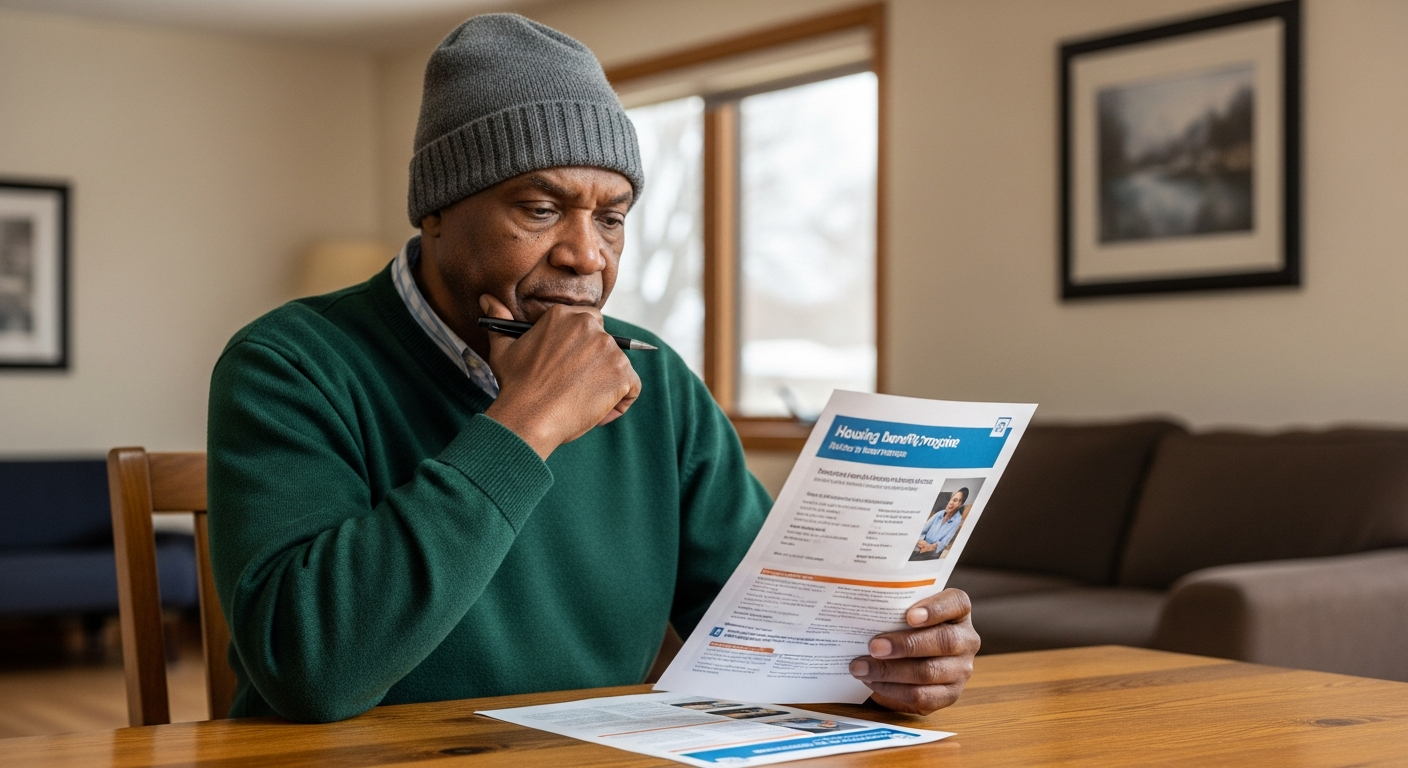
This is the key concern for many renters considering reverse mortgages: Does accessing a reverse mortgage reduce my rent assistance eligibility?
The short answer: It depends on whether you own your primary residence or rent.
If you own your home AND are currently receiving rent assistance: This is rare (usually rent assistance is for renters). However, if you became a renter after selling a previous home, a reverse mortgage isn't applicable (you must own your current home to access one).
If you own your home BUT plan to rent it out and rent elsewhere: This scenario requires careful planning. Accessing a reverse mortgage changes your situation significantly.
If you rent (don't own): You cannot access a reverse mortgage—this product is for homeowners only.
Most seniors with reverse mortgages own their homes and live in them (don't rent). For these homeowners, rent assistance programs typically don't apply because they're homeowners, not renters.
The Key Distinction: Homeowners vs. Renters vs. Co-op Members
| Housing Status | Rent Assistance Eligible? | Reverse Mortgage Eligible? | Planning Issue |
|---|---|---|---|
| Homeowner (own primary residence) | No (you own, not renting) | Yes | Not applicable; owns home |
| Renter (paying rent) | Yes (typically) | No (must own home) | Choice: rent or own |
| Co-op member (own share in co-op) | Sometimes (depends on co-op agreement) | Maybe (depends on co-op structure) | Consult co-op + lender |
| Life lease resident | Usually no | Usually no | Different housing model |
| Assisted living/retirement residence tenant | Usually no | No (not standard home) | Different considerations |
The critical decision point: Are you a homeowner planning to stay in your home, or a renter seeking assistance?
For most reverse mortgage borrowers, the question is moot because they're homeowners (not renters) and not seeking rent assistance.
Scenario 1: Homeowners Converting to Renting (Complex)
A rare scenario: a homeowner considers selling or renting out their home, then renting elsewhere while receiving rent assistance.
Why this matters: If you convert from homeowner to renter status, you're no longer eligible for reverse mortgages. However, you become eligible for rent assistance programs.
Planning if you're considering this transition:
- Reverse mortgage must be fully repaid before converting to renter status
- Once repaid, you can sell your home, become a renter, and apply for rent assistance
- This is a one-way transition; reversing it requires re-qualifying for a reverse mortgage (if eligible at that time)
Most seniors choose to remain homeowners specifically to avoid housing instability and to maintain reverse mortgage access.
Income and Asset Testing: Understanding the Real Limitation
The actual eligibility concern for reverse mortgage borrowers isn't the reverse mortgage itself—it's how income and assets are tested for means-tested programs.
How reverse mortgage proceeds are treated in asset/income testing:
| Benefit Program | Treatment of Reverse Mortgage Proceeds | Effect on Eligibility |
|---|---|---|
| GIS (Guaranteed Income Supplement) | Not income; not counted as assets | No impact on GIS |
| OAS (Old Age Security) | Not income; not counted as assets | No impact on OAS |
| Provincial rent assistance (if applicable) | Depends on program; usually not counted as income | Minimal impact in most programs |
| ODSP (Ontario Disability Support Program) | Not counted as income; may count toward asset limits | Check specific program rules |
| Provincial housing benefits | Varies; consult your specific province | Varies by program |
The key principle: Loan proceeds (borrowed money) are not income, and are generally not counted as assets that trigger benefit clawbacks.
This means a reverse mortgage typically does not negatively affect means-tested rent assistance programs.
Strategic Coordination: Reverse Mortgage + Rent Assistance
If you somehow qualified for both (owning a home while receiving rent assistance through an unusual arrangement), the strategy is:
- Reverse mortgage funds are not income: They don't reduce rent assistance calculations
- Use reverse mortgage for one-time purchases: Home modifications, repairs, gifts (doesn't affect monthly assistance)
- Keep employment or pension income separate: Your rental assistance is calculated based on income, not reverse mortgage draws
- Document carefully: Keep reverse mortgage and rent assistance accounts separate to avoid confusion with benefits administrators
Co-op Members: A Special Case
Some Ontario seniors live in housing co-ops (not traditional rentals, not full ownership). Co-op members have different considerations:
| Co-op Consideration | Impact |
|---|---|
| Do I own my co-op share? | Typically yes; co-op shares can qualify for reverse mortgages (some lenders) |
| Do I pay rent to the co-op? | Yes; co-op monthly charges function like rent but aren't traditional rental |
| Am I eligible for rent assistance? | May depend on co-op structure and provincial program rules |
| Can I access a reverse mortgage? | Possibly, but consult lenders; not all accept co-op shares |
Co-op members should consult both their co-op board and a reverse mortgage specialist to understand how both systems work together.
Practical Protection Strategy: Before Accessing Reverse Mortgage
If you receive any form of housing assistance, subsidies, or benefits before accessing a reverse mortgage:
✓ Document your current assistance: Get written confirmation of your current benefits and how they're calculated
✓ Consult your program administrator: Contact the agency administering your specific rent assistance, GIS, or other housing benefits
✓ Ask the direct question: "If I access a reverse mortgage (loan proceeds not income), will this affect my eligibility for [specific program]?"
✓ Get written confirmation: Request written clarification that reverse mortgage proceeds don't trigger benefit changes
✓ Inform your reverse mortgage lender: Tell your lender about any benefits you receive; they can help coordinate
✓ Review annually: Benefits programs change; review your situation annually with a financial advisor
Quick Reference
| Situation | Rent Assistance Impact | Reverse Mortgage Impact | Strategy |
|---|---|---|---|
| Homeowner; not seeking rent assistance | N/A | Full eligibility | Access reverse mortgage as needed |
| Renter currently receiving assistance | Required for eligibility | N/A; can't own home | Stay renter; don't access reverse mortgage |
| Homeowner with GIS/OAS benefits | Unaffected by reverse mortgage | Doesn't trigger clawback | Safe to access reverse mortgage |
| Co-op member unsure of status | Consult co-op + program | Consult lender + program | Get written clarity before proceeding |
| Considering conversion (home → renting) | Would become eligible | Would lose eligibility | Plan transition carefully; consult advisor |
Frequently Asked Questions
If I'm a homeowner with a reverse mortgage, can I later become a renter and access rent assistance?
Technically yes, but it requires careful planning. You'd need to repay the reverse mortgage (by selling the home or refinancing), then convert to renter status. This is a significant life change. Most people find it simpler to remain homeowners.
Does my reverse mortgage affect my GIS or OAS calculations?
No. Reverse mortgage proceeds are loan advances, not income. They don't affect GIS (Guaranteed Income Supplement) calculations or OAS (Old Age Security) benefits in any way.
I'm in a co-op; can I access a reverse mortgage while staying in the co-op?
Maybe. Some lenders accept co-op shares as collateral for reverse mortgages; others don't. Co-op structure matters (is it a true shared ownership or more like rental?). Consult a reverse mortgage specialist experienced with co-ops in your province.
What if a provincial rent assistance program changes its rules after I access a reverse mortgage?
Programs do change, but changes typically don't retroactively affect existing borrowers. If you're already receiving assistance and access a reverse mortgage, the program change would likely apply prospectively. Stay informed by checking annually with the administering agency.
Can I use reverse mortgage proceeds to pay down rent at my co-op or housing assistance facility?
Yes. Reverse mortgage funds can be used for any legal purpose, including paying down co-op housing costs or facility charges. This is simply one use of your borrowed funds.
If I'm between housing (planning to move), does a reverse mortgage affect my eligibility to apply for rent assistance afterward?
If you're selling a home with a reverse mortgage to downsize or relocate, you'd repay the reverse mortgage from sale proceeds. Once you're a renter in new housing, you could then apply for rent assistance based on income. The transition itself doesn't prevent future assistance eligibility.
Protect Your Housing Security and Benefits
Understanding how a reverse mortgage interacts with provincial housing assistance programs protects both your immediate benefits and your long-term housing security. Most Ontario homeowners find that reverse mortgages actually strengthen their housing position—providing flexibility and financial security while maintaining benefit eligibility.
Contact Rick Sekhon Reverse Mortgages for a benefits coordination consultation. If you receive any government housing assistance or benefits, we'll help you understand how a reverse mortgage affects your specific situation and ensure you maintain eligibility while accessing the funds you need.
Ready to Learn More?
Get the free Ontario Reverse Mortgage Guide and find out exactly how much you could unlock from your home.
Get My Free Guide →Related Articles
Does a Reverse Mortgage Affect CPP, OAS & GIS? Government Benefits Explained
Reverse mortgage proceeds do not count as income for CPP, OAS, or GIS. Understand how to use reverse mortgages strategically to protect government benefits.
Read →Does a Reverse Mortgage Affect GIS? Guaranteed Income Supplement Guide
How a reverse mortgage affects GIS eligibility in Canada. Income thresholds, RRIF comparison, and strategies to protect your Guaranteed Income Supplement.
Read →Does a Reverse Mortgage Affect OAS or GIS? 2026 Government Benefits Guide
Clear answer: reverse mortgage proceeds do NOT reduce your OAS or GIS payments in Canada. Learn exactly why and how CRA classifies reverse mortgage funds.
Read →