
Reverse Mortgage and Home Insurance Riders: Coverage You Might Be Missing
Ontario homeowners with reverse mortgages need specialized insurance riders. Learn about water damage, liability, and loss-of-rent coverage often missed by seniors relying on older insurance policies.
Most Ontario homeowners keep home insurance policies for years without reviewing them. They pay the bill, assume they're covered, and don't think about it again.
But reverse mortgage holders need different insurance than traditional homeowners. Your reverse mortgage lender requires a specific level of coverage. More importantly, your situation—an aging home, aging infrastructure, and perhaps aging inhabitants—creates insurance risks that standard policies don't adequately cover.
Many seniors discover gaps in their coverage only when disaster strikes and they try to claim.
Why Reverse Mortgage Owners Need Insurance Reviews
When you take out a reverse mortgage, your lender requires:
- Property insurance (fire and basic coverage) for the home's full value
- Proof of insurance before funding
- Ongoing insurance while the loan is active
But "basic coverage" isn't enough for aging homes and aging residents.
Why:
Aging infrastructure: Homes built in the 1970s–1990s have aging roofs, electrical, and plumbing. These create water damage, electrical fires, and pipe burst risks that standard policies have exclusions for.
Aging occupants: Seniors face increased liability risks—falls, injuries to visitors, medical emergencies on the property. Standard policies have liability limits that may be inadequate.
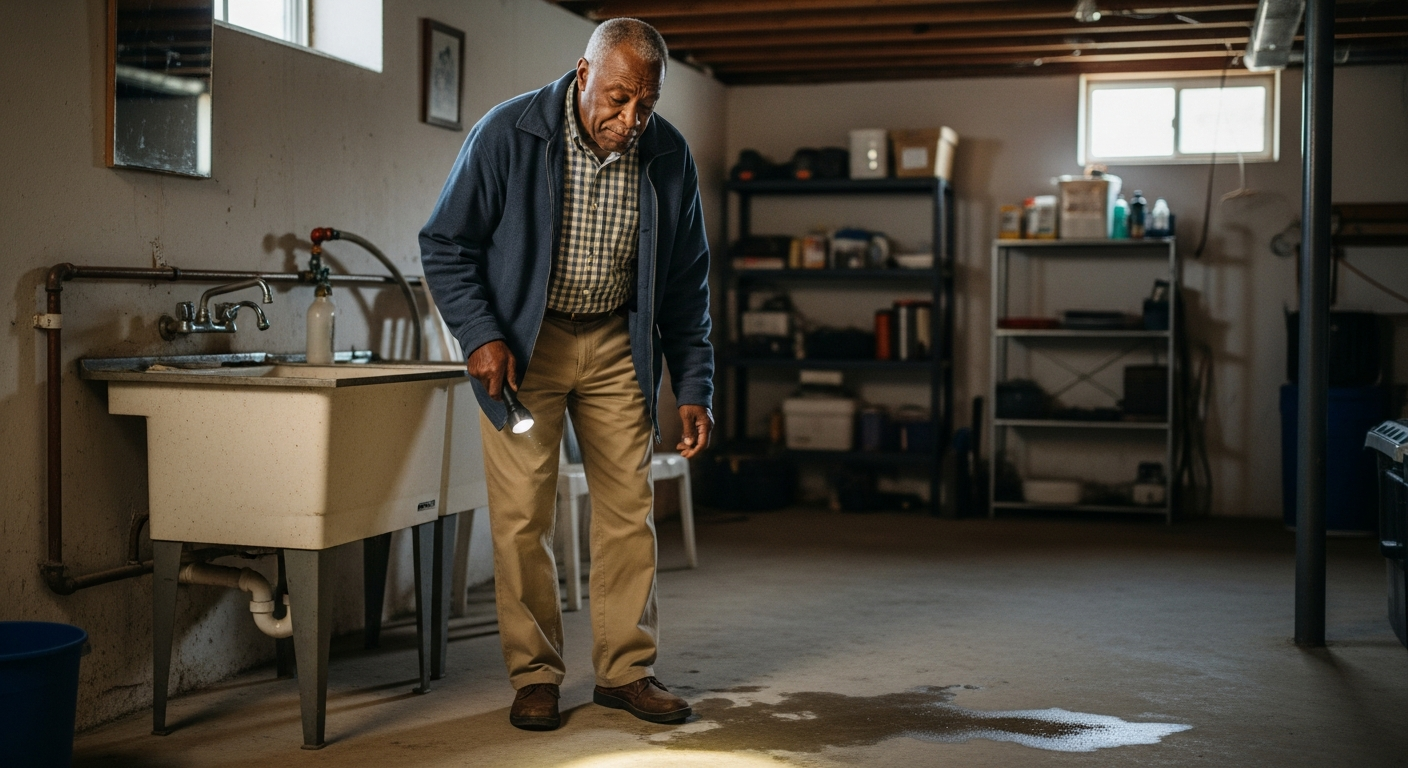
Moisture and water damage: Ontario's climate creates freeze-thaw cycles, ice dam damage, and basement water infiltration. These are often excluded from standard policies or have low coverage limits.
Vacant periods: If you travel seasonally or plan for long-term care placement, your home may be vacant for extended periods. Standard policies exclude or limit coverage for vacant properties.
Your reverse mortgage doesn't protect you from these gaps. It just requires you maintain some insurance. It falls to you to ensure that insurance is adequate.

Common Insurance Gaps for Ontario Seniors
Gap 1: Water Damage Coverage
Standard homeowner policies cover some water damage (burst pipes, sudden leaks) but EXCLUDE:
- Slow leaks from aging plumbing
- Sump pump failures
- Basement seepage or water infiltration
- Ice dam damage
- Groundwater infiltration (water coming from outside the home pushing in)
Ontario winter reality: Freeze-thaw cycles crack old pipes. Ice dams back water under roofing and into attics. Sump pumps fail. Basements flood.
A home with an older foundation or basement is at high risk for water damage excluded from standard coverage.
Gap 2: Roof Coverage
Standard policies cover roof damage from storms, trees, and accidents. They explicitly EXCLUDE damage from:
- Age and wear
- Lack of maintenance
- Gradual deterioration
If your roof is 15+ years old and is leaking due to age and wear (not a specific storm), your insurance won't cover the damage.
Ontario reality: Roofs in northern Ontario face harsh weather. A roof rated for 20 years may last 15 in practice.
Gap 3: Electrical and Plumbing Coverage
Older homes have outdated electrical and plumbing systems. Standard policies EXCLUDE or limit coverage for:
- Electrical fires from outdated wiring
- Overloaded circuits
- Knob-and-tube wiring (common in homes built pre-1950)
- Cast iron pipes corroding and rupturing
- Galvanized pipes (common in homes built pre-1980) corroding
Upgrading electrical and plumbing is expensive. But if your old wiring causes a fire, standard insurance may deny coverage, claiming the fire resulted from insufficient maintenance.
Gap 4: Liability Coverage Limits
Standard homeowner policies include liability coverage (if someone is injured on your property). Typical limits are $200,000–$300,000.
For seniors, this is insufficient:
- A visitor falls down stairs and requires surgery—$80,000
- Someone is injured by your dog—liability can exceed $500,000
- A contractor is injured and sues—liability can exceed $1,000,000
With only $200,000 coverage and $500,000 liability, you're personally responsible for the $300,000 difference. Your home equity becomes vulnerable.
Gap 5: Loss of Rent / Additional Living Expenses
If your home becomes uninhabitable (fire, major water damage), you'd need to stay elsewhere. Standard policies cover some additional living expenses, but with limits:
- Typical coverage: $10,000–$30,000
- Actual costs: $3,000–$5,000/month for temporary housing
If you need 6 months of temporary housing while repairs are made, $30,000 isn't sufficient.
Gap 6: Valuable Items
Items with limited coverage under standard policies:
- Jewelry: Often limited to $2,500 total
- Cash/securities: Often limited to $200
- Art and collectibles: Limited to $2,500
- Firearms: Limited coverage
If you have valuable items, standard coverage is inadequate.
Gap 7: Vacancy Coverage
If your home will be vacant for more than 30 days (some policies say 14 days), coverage is reduced or eliminated. This matters for snowbirds or those planning long-term care placement.
Standard policies assume someone is home to notice and report problems. An empty home deteriorates unchecked.
Key Insurance Riders for Reverse Mortgage Owners
Rider 1: Water Damage / Sump Pump Failure Coverage
Covers:
- Sump pump failure and resulting water damage
- Groundwater seepage into basements
- Water backup through sewers or drains
- Slow water leaks from plumbing
Cost: $50–$150 additional annually Value: Essential in Ontario with basements and aging plumbing
Rider 2: Increased Liability Coverage (Umbrella Policy)
Increases liability limit from standard $300,000 to $1,000,000+ through an "umbrella" policy.
- Base homeowner policy: $300,000 liability
- Umbrella policy: Additional $1,000,000 ($1 million)
- You're now covered for $1,300,000 total liability
Cost: $15–$40 annually for $1M umbrella Value: Protects your home equity from major liability claims
Rider 3: Aging Homes / Older Home Coverage
Some insurers offer specialized policies for homes 30+ years old. They provide broader coverage for:
- Electrical fires from outdated systems
- Plumbing failures
- Roof leaks from age and wear
- Foundation issues
These policies cost more but provide essential protection for aging homes.
Rider 4: Valuable Items / Jewelry Coverage
If you have valuable items (jewelry, art, collections):
- Standard policy: $2,500 limit on jewelry
- Valuable items rider: Allows $10,000–$50,000 coverage on specific items
Requires appraisals but provides peace of mind.
Rider 5: Loss of Rent / Additional Living Expenses
Increases coverage for temporary living costs if your home becomes uninhabitable:
- Standard: $20,000–$30,000
- Enhanced rider: $50,000–$100,000
Cost: $30–$60 annually Value: Protects you if you need months of temporary housing during major repairs
Rider 6: Vacancy Coverage
If you're a snowbird or planning long-term care placement:
- Standard policy: Coverage reduced after 30 days vacant
- Vacancy rider: Maintains full coverage during extended vacancy
Cost: $50–$150 annually Value: Essential if you'll be away for more than 30 days

Red Flags in Your Current Policy
Review your home insurance policy for:
- Exclusions: Specific situations where you have NO coverage
- Coverage limits: Amounts that may be inadequate
- Deductibles: Amount you pay out-of-pocket before insurance pays
- Vacant home limitations: Reduced coverage if home is empty
- Age-related exclusions: Damage from "age and wear" vs. specific damage
Many seniors' policies were written 10+ years ago and don't reflect their current situation (aging home, aging resident, newer risks).
Getting Your Coverage Right
Step 1: Get a professional review Schedule a meeting with your insurance broker. Bring your policy. Discuss:
- Your home's age and condition
- Your liability concerns (visitors, contractors, yard work)
- Any valuable items you own
- Your plans (Are you a snowbird? Plan to move to long-term care?)
Step 2: Identify gaps Your broker should identify coverage gaps specific to your situation.
Step 3: Request quotes for riders Ask for quotes on specific riders (water damage, liability umbrella, etc.). The cost is usually $50–$200 annually for important coverage.
Step 4: Consider a policy change You might be better served switching to an insurer specializing in aging homes or seniors.
Step 5: Document your coverage Keep your policy and a summary of your coverage where family members can find it. They'll need it when filing claims.
The Cost-Benefit Reality
Many seniors balk at adding insurance riders. "The premium is already $1,200 annually. I can't afford more."
But consider:
- Water damage claim: $30,000 (without sump pump rider: $0 coverage)
- Liability claim: $500,000 (without umbrella: you're personally liable for $200,000+)
- Cost of riders: $150 annually = $1,500 over 10 years
Gaps in coverage are expensive when they matter.
Conclusion
Your home is your most valuable asset. Your reverse mortgage allows you to access its equity. But you can't protect that equity effectively with insurance that has gaps.
Review your policy today. Talk to your broker about riders. Add coverage that matters for aging homes and aging residents. The small annual cost protects the substantial equity you're counting on for retirement security.
Don't discover coverage gaps when disaster strikes. Plan ahead.
Ready to Learn More?
Get the free Ontario Reverse Mortgage Guide and find out exactly how much you could unlock from your home.
Get My Free Guide →Related Articles
Reverse Mortgage for Workplace Injury Recovery: Supporting Adult Child's Career Transition
Help your adult child rebuild their career after workplace injury. Learn how reverse mortgages fund recovery, retraining, and financial stability during career transition.
Read →Reverse Mortgage When Adult Child Faces Student Loan Default: Creditor Protection Strategy
Protect your home when adult child has severe student debt. Learn how reverse mortgage planning shields your assets from student loan creditors in Ontario.
Read →Reverse Mortgage to Fund Adult Child's Real Estate License and Business Launch
Help your adult child launch a real estate career. Reverse mortgage covers licensing, training, first-year operating costs, and marketing to build a sustainable income.
Read →