
Reverse Mortgage for Grandchild's Trade School and Apprenticeship
Help your grandchild pursue a trade career. Learn how a reverse mortgage funds apprenticeships, certifications, and trade school tuition in Ontario.
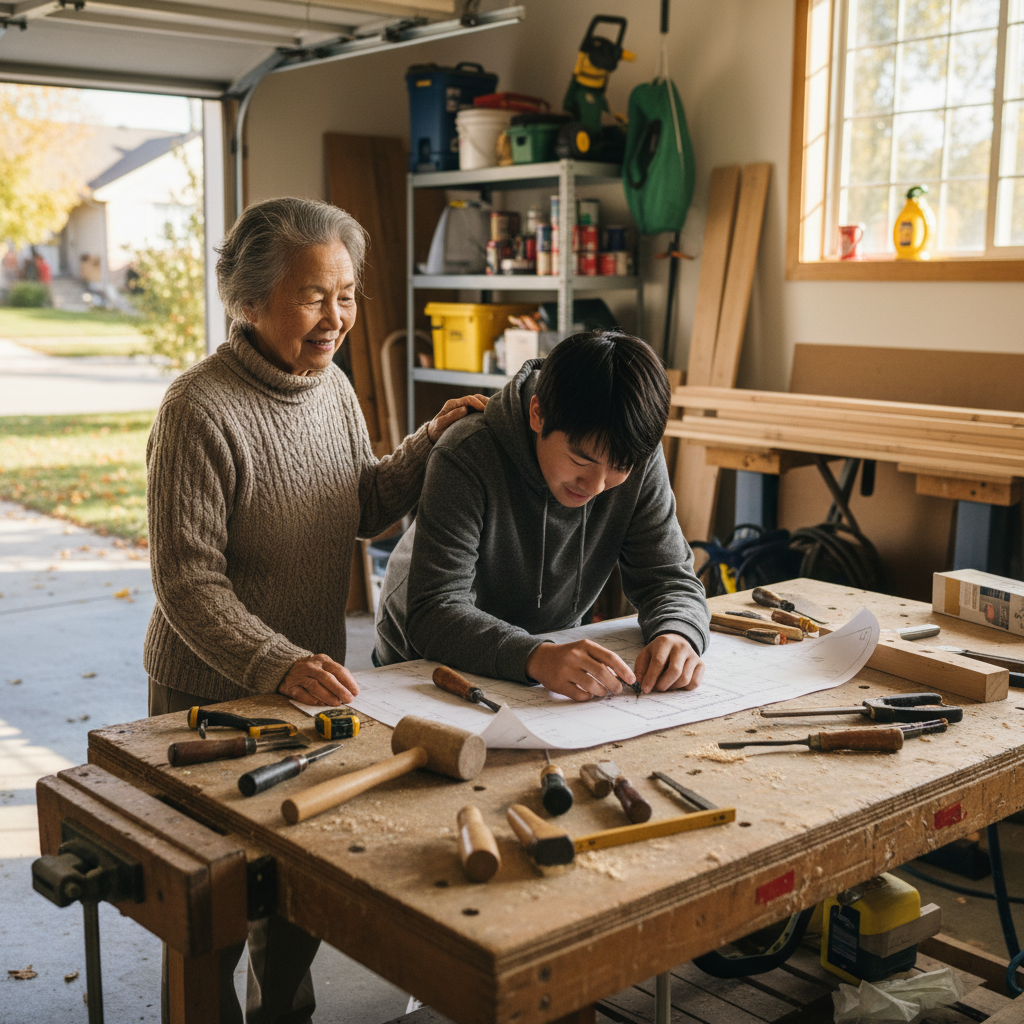
Your grandchild wants to become a electrician, plumber, or carpenter — but trade school costs money your family doesn't have right now. Unlike university tuition, trade apprenticeships and certifications often get overlooked in family conversations about education funding. Yet they're just as valuable to support. A reverse mortgage can unlock the home equity needed to help your grandchild build a solid, well-paid career.
Why Trade Careers Matter (And Cost Money)
Trade careers — electrician, plumber, HVAC technician, carpenter, heavy equipment operator, welder — typically earn $60,000–$100,000+ annually in Ontario, often with less student debt than university graduates. But they require upfront investment.
Common costs include:
- Apprenticeship registration and licensing fees: $500–$2,500
- Trade school tuition (classroom portion): $3,000–$8,000 per year
- Tools and safety equipment: $2,000–$5,000
- Work permits and certifications: $500–$1,500
- Living expenses during full-time training blocks: $5,000–$12,000 per year
The total investment for a 4-year electrician apprenticeship in Ontario might run $15,000–$30,000. That's significant for a family operating on tight margins, and it's often why talented young people delay or abandon trade careers.
According to Statistics Canada, skilled trades workers in Ontario have median earnings of $65,000–$85,000 and face lower unemployment rates than university graduates. Yet apprenticeship enrollment is declining, partly due to upfront costs.
How a Reverse Mortgage Supports Trade Education
A reverse mortgage doesn't fund the trade career directly — your grandchild does. But it gives you the capital to support them without forcing them to take on student loans or derail their life plans.
Common funding scenarios:
| Funding Gap | RM Solution |
|---|---|
| Apprentice earns $25,000/year but costs $8,000/year to train; family gap: $3,000/year | Access $15,000 lump sum, split across 5 years |
| Trade school tuition: $6,000/year for 2 years | Access $12,000–$15,000 upfront; draw as needed |
| Tools + equipment: $4,000 startup cost | Cover in addition to tuition support |
| Living expenses during full-time training blocks | Use reverse mortgage funds to reduce part-time work burden |
By using your home equity, your grandchild avoids:
- Student loans (which create debt servicing stress post-graduation)
- Excessive part-time work (which slows training progress)
- Delayed entry into the workforce
Types of Trades and Typical Costs in Ontario

Skilled trades funded through apprenticeships include:
| Trade | Typical Program Length | Avg. Tuition (Ontario) | Market Demand |
|---|---|---|---|
| Electrician | 4 years (in-school + on-job) | $6,000–$10,000 | Very High |
| Plumber | 4–5 years | $5,000–$9,000 | Very High |
| HVAC Technician | 3–4 years | $4,000–$7,000 | High |
| Carpenter | 3–4 years | $3,000–$6,000 | High |
| Heavy Equipment Operator | 2–3 years | $3,000–$5,000 | High |
| Welder | 2–3 years | $2,500–$5,000 | Moderate–High |
Unlike university, most trades follow the apprenticeship model: the apprentice works while learning, earning a modest wage (often $25,000–$35,000 annually during training) and attending classroom blocks 1–2 weeks per term. The RM supports the living cost gap during those blocks and covers certifications.
Setting Up a Reverse Mortgage for Trade School Support
Step 1: Calculate total costs. Work with your grandchild to identify all expenses: tuition, tools, living costs, certification fees. Create a realistic 3–5 year budget.
Step 2: Determine your available equity. Contact a licensed reverse mortgage specialist to get your home appraised. If your home is worth $400,000 and you're age 65+, you might access $160,000–$200,000. Allocate a portion to the trade school investment, keeping reserves for your own needs.
Step 3: Choose a payment structure.
- Lump sum: Take all funds at closing; your grandchild and you manage the account.
- Line of credit: Draw as tuition bills arrive, reducing interest costs.
- Scheduled payments: Receive monthly/quarterly amounts, mirroring the apprenticeship timeline.
Step 4: Establish clear agreements. Put a simple family agreement in writing specifying:
- How much you're providing
- Whether it's a gift or a loan (if a loan, what repayment looks like after your grandchild is established)
- Who manages the funds (you or your grandchild)
- Timeline for distribution
According to CHIP, Canada's largest reverse mortgage provider, funding family education is one of the most common reasons people choose reverse mortgages. They support the strategy and have flexible draw options to align with school calendars.
Real-World Example
Marcus and his grandchild DeShawn:
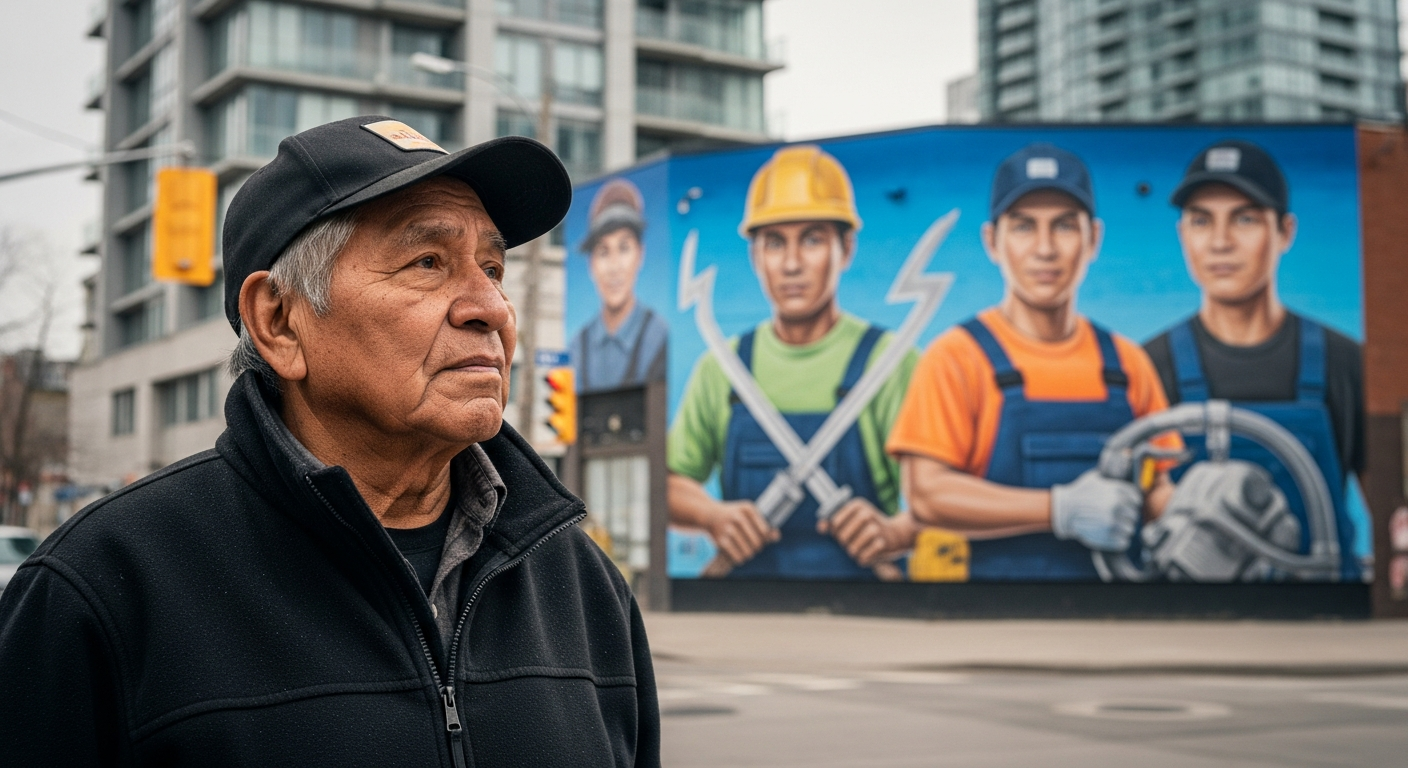
Marcus, 72, owns a $450,000 home in Brampton, fully paid off. His granddaughter DeShawn, 19, has been accepted into a 4-year electrician apprenticeship with a local union. Tuition and tools will cost $18,000 total; living costs during classroom blocks will be $8,000 per year for 4 years = $32,000. Family total: $50,000.
Marcus qualifies for a reverse mortgage and accesses $150,000. He dedicates $50,000 to DeShawn's trade education in a dedicated line-of-credit account, drawing as tuition bills arrive. The remaining $100,000 stays in his emergency reserve for his own aging-in-place needs.
DeShawn earns $28,000 in her apprenticeship year and covers her base living costs. Marcus's RM support covers the gap for tools, tuition, and classroom block lodging. After 4 years, DeShawn graduates as a certified electrician earning $65,000+ annually. If she chooses to repay Marcus for the funds, she can do so as her career stabilizes — but Marcus didn't need her to; the RM gave him the flexibility to help without financial stress.
Tax Implications and Grants
Reverse mortgage proceeds are not taxable. You receive them as a loan advance, not income. This means:
- No tax hit on the RM funds you use
- Your grandchild's tuition tax credits apply to their education directly
- No clawback to your OAS or GIS (RM funds don't count as income)
Grants and scholarships:
- Your grandchild should apply for trade school grants and scholarships. In Ontario, the Second Career Program supports workers returning to skilled trades; union apprenticeships often include bursary programs.
- Government funding doesn't usually cover full costs, so family support fills the gap.
Alternatives and Comparison
| Option | Cost | Pros | Cons |
|---|---|---|---|
| Reverse Mortgage (via Grandparent) | 0% (from your equity) | No debt for grandchild; flexible; interest-free for them | Obligates your home; interest compounds for you |
| Student Loans/Lines of Credit (Grandchild) | ~5–8% interest | Grandchild responsible; you preserve equity | Debt load slows their financial start |
| RESP (if started early) | Depends on contributions | Tax-sheltered growth; government matching | Too late if grandchild is already 19 |
| Family Loan (informal) | 0–2% or interest-free | Simple; keeps it in family | Strain if repayment is unclear |
| Grandchild Works & Saves | Depends | No debt; builds discipline | Delays education; might derail plans |
Important Considerations
- Document the arrangement. Even if it's a gift, a simple agreement protects everyone's expectations.
- Make sure it aligns with your retirement. Don't sacrifice your aging-in-place funding or care reserve to support a grandchild.
- Consider your will. If the RM will be repaid from your estate, let your grandchild and other heirs understand this.
- Choose a reliable lender. CHIP, Equitable Bank, and Bloom Financial all support education-focused RM withdrawals with clear documentation.
FAQ
Can my grandchild take out a reverse mortgage themselves?
No. Reverse mortgages require you to be age 55+ and own your home. Your grandchild can't qualify independently.
Is there a difference between trade school tuition and apprenticeship costs?
Yes. Apprentices earn a wage while working and attend school in blocks; trade school students usually attend full-time, paying more upfront. A reverse mortgage can support both.
What if my grandchild decides not to finish their apprenticeship?
That's a family decision. Some reverse mortgages are set up with a clear agreement: the grandparent covers costs up to a point, and unused funds remain theirs. Others are unconditional gifts. Clarify before committing.
Will a reverse mortgage affect my grandchild's student aid or grants?
No. A reverse mortgage to a grandparent doesn't affect your grandchild's eligibility for government grants, scholarships, or student loans. RM funds don't count as their income.
Which trades have the best job prospects in Ontario?
Electricians, plumbers, and HVAC technicians have consistently strong demand across Ontario, with union opportunities and $70,000–$95,000 earning potential within 5 years of certification.
Can I fund multiple grandchildren's trades with one reverse mortgage?
Yes, if your equity allows. A $300,000–$400,000+ home can support multiple family members' education goals while preserving your own reserves.
Take Action
If you have the home equity and the desire to support your grandchild's trade career, a reverse mortgage is a powerful tool. Talk with Rick Sekhon Reverse Mortgages about structuring funds to align with apprenticeship timelines. You'll get clarity on how much you can access and what payment options best fit your grandchild's training schedule.
Ready to Learn More?
Get the free Ontario Reverse Mortgage Guide and find out exactly how much you could unlock from your home.
Get My Free Guide →Related Articles
Reverse Mortgage for Grandparent Summer Programs and Family Bonding
Fund summer camps, extended visits, and family experiences with a reverse mortgage. Ontario guide for grandparents creating lasting memories while living.
Read →Reverse Mortgage for Grandchildren's Education Fund in Canada
Fund grandchildren's education with a reverse mortgage in Canada. Learn RESP contribution strategies, CESG grants, tuition projections, and tax-free benefits.
Read →Reverse Mortgage for Workplace Injury Recovery: Supporting Adult Child's Career Transition
Help your adult child rebuild their career after workplace injury. Learn how reverse mortgages fund recovery, retraining, and financial stability during career transition.
Read →