
Using a Reverse Mortgage for Funeral Pre-Planning in Ontario
How Ontario seniors can use a reverse mortgage to prepay funeral and end-of-life expenses, protect their families from unexpected costs, and integrate funeral planning into their estate strategy.
No one wants to leave their family scrambling to cover funeral costs during the hardest week of their lives. Yet this is exactly what happens in thousands of Ontario families every year. Funeral and end-of-life expenses can be substantial, and many seniors on fixed incomes simply do not have the liquid savings to prepay. For Ontario homeowners aged 55 and older, a reverse mortgage offers a practical way to fund funeral pre-planning — protecting your family from an unexpected financial burden while keeping your home and your independence.
This article is for educational purposes only and does not constitute financial advice.
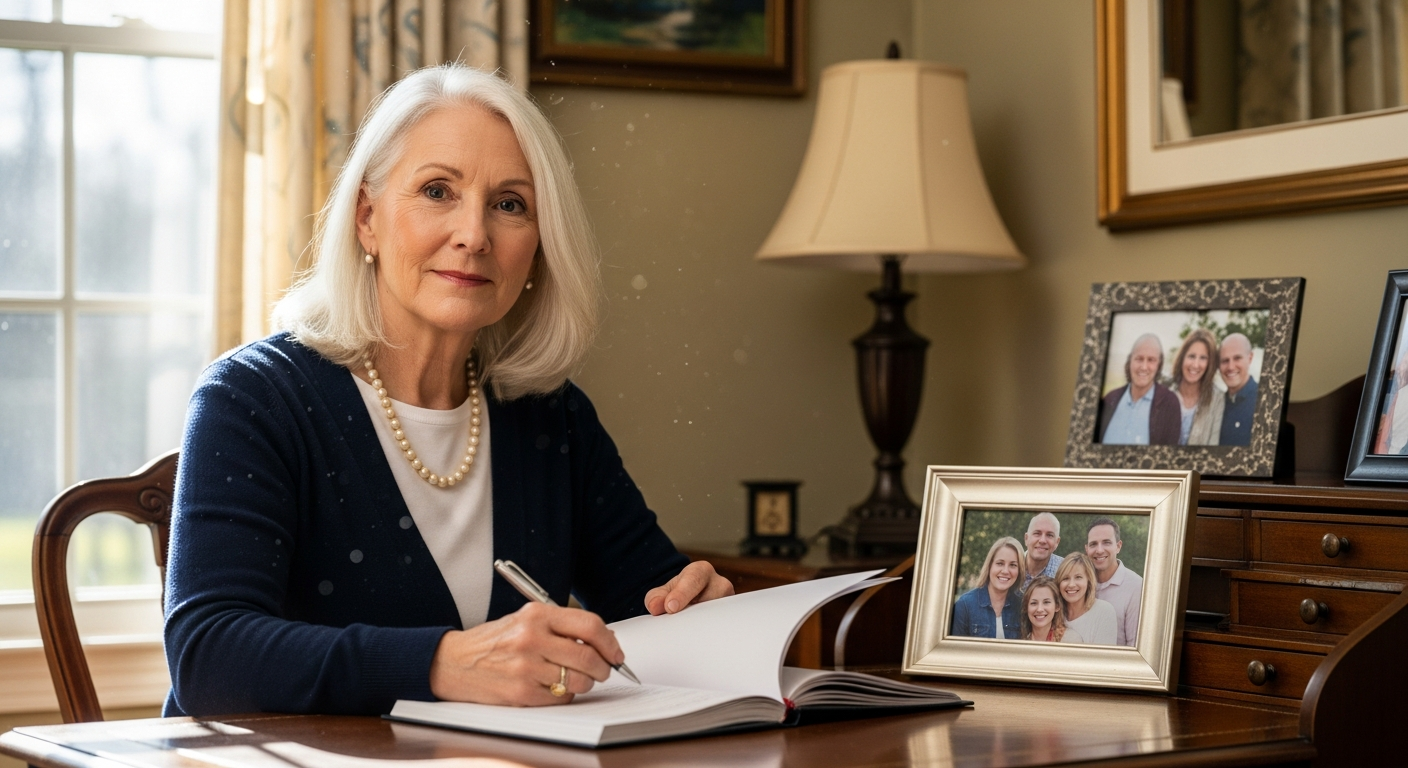
This guide covers what funeral and end-of-life costs actually look like in Ontario, how prepaid funeral plans and trusts work, how a reverse mortgage can fund these arrangements, and how to integrate funeral pre-planning into your broader estate plan. The tone here is practical and respectful — because planning ahead is one of the most caring things you can do for the people you love.
The Real Cost of Funerals in Ontario
Funeral costs in Ontario vary widely depending on the type of service, location, and personal preferences. However, most families are surprised by how quickly the expenses add up.
Typical Funeral Cost Ranges in Ontario
| Expense | Estimated Range |
|---|---|
| Basic funeral home services (professional fees, coordination, paperwork) | $2,000–$4,000 |
| Casket | $1,000–$10,000+ |
| Visitation and ceremony (use of funeral home facilities) | $500–$2,500 |
| Embalming and preparation | $300–$1,000 |
| Transportation (hearse, transfer vehicle) | $300–$1,200 |
| Cemetery plot (Ontario varies widely by municipality) | $1,000–$15,000+ |
| Headstone or grave marker | $500–$5,000+ |
| Flowers, programs, death certificates | $200–$1,000 |
| Reception or gathering | $500–$3,000 |
| Total for a traditional burial | $7,000–$20,000+ |
| Total for a cremation with memorial service | $3,000–$8,000 |
According to the Bereavement Authority of Ontario (BAO), funeral homes in Ontario are required to provide an itemized price list so consumers can make informed choices. Despite this transparency, the total cost often exceeds what families expect — and these costs must typically be paid before or shortly after the funeral takes place.
Why Costs Are Rising
Funeral costs in Ontario have increased steadily over the past decade due to rising real estate costs (which affect funeral home overhead and cemetery plot prices), increased demand for personalized services, and general inflation. For seniors planning years ahead, today's prices may be lower than what their families would pay at the time of need.
Prepaid Funeral Plans and Trusts in Ontario
Ontario offers two primary ways to prepay for funeral expenses: prepaid funeral contracts and funeral trusts. Understanding the difference is important.
Prepaid Funeral Contracts
A prepaid funeral contract is an agreement with a specific funeral home to provide agreed-upon services and merchandise at a future date. In Ontario, these contracts are regulated under the Funeral, Burial and Cremation Services Act, 2002 and overseen by the Bereavement Authority of Ontario.

Key features of prepaid funeral contracts:
- ✓ You choose the services and merchandise in advance
- ✓ The funeral home is legally obligated to provide those services
- ✓ Funds are held in trust and cannot be used by the funeral home until the services are rendered
- ✓ Contracts are transferable to another funeral home if you move or change your mind
- ✓ A portion of the contract (typically a percentage of the purchase price) is non-refundable if cancelled
| Feature | Prepaid Funeral Contract | Funeral Trust |
|---|---|---|
| Managed by | Funeral home | Financial institution or trustee |
| Services locked in | Yes — specific services and merchandise | No — funds available for any funeral-related expense |
| Price protection | Often guaranteed at today's prices | No price guarantee — costs may exceed trust balance |
| Regulated by | Bereavement Authority of Ontario | Ontario trust law |
| Transferable | Yes, to another funeral home | Yes, to any provider |
| Flexibility | Lower — tied to specific arrangements | Higher — family decides at time of need |
Which Option Is Better?
There is no single right answer. A prepaid funeral contract provides certainty: you know exactly what services will be provided, and in many cases the price is locked in. A funeral trust provides flexibility: the funds are available for whatever arrangements your family chooses. Some seniors opt for a combination — a prepaid contract for the core services and a small trust to cover additional expenses like a reception, travel for family members, or charitable donations in lieu of flowers.
How a Reverse Mortgage Funds Funeral Pre-Planning
For many Ontario seniors, the challenge is not knowing what to plan — it is finding the money to pay for it. A traditional funeral and burial can cost $10,000 to $20,000, and many seniors on fixed incomes do not have that amount available in savings without compromising their daily living.
This is where a reverse mortgage becomes practical. By accessing a portion of your home equity, you can:
- Fund a prepaid funeral contract — locking in today's prices and relieving your family of the financial burden entirely
- Establish a funeral trust — setting aside funds in a managed account designated for end-of-life expenses
- Cover both funeral and related costs — including cemetery fees, headstone, legal costs for estate settlement, and even a modest fund for your family's immediate needs after your passing
The Financial Logic
A reverse mortgage converts home equity into cash without requiring monthly payments. The proceeds are tax-free under CRA rules because they are loan advances, not income. This means:
- ✓ No impact on your OAS, GIS, or Ontario Trillium Benefit
- ✓ No impact on your CPP or any workplace pension
- ✓ No monthly payments — the loan is repaid from the estate when the home is eventually sold
- ✓ The prepaid funeral contract or trust is funded immediately and completely
For a senior who wants to prepay a $12,000 funeral arrangement, the reverse mortgage provides the funds today. The cost of the reverse mortgage (compounding interest over time) is borne by the estate — but the estate also benefits from the certainty of having funeral costs already covered, avoiding the need for the executor to scramble for funds during an emotional time.
Drawbacks to Consider
It is important to be honest about the trade-offs:
- Compound interest reduces your estate. The $12,000 you borrow today will grow over time as interest compounds. Depending on how long the reverse mortgage is held, the total cost to your estate could be significantly more than the original amount borrowed. This is the fundamental trade-off of any reverse mortgage — you are paying a premium for access to funds now.
- You are using home equity for a one-time expense. Unlike using a reverse mortgage for ongoing income supplementation, funeral pre-planning is a single expenditure. Some families may prefer alternative funding sources, such as a small life insurance policy or savings.
- Prepaid contracts have cancellation penalties. If your plans change — for example, if you move out of Ontario — you may face penalties for cancelling or transferring a prepaid funeral contract.
Rick Sekhon can help you weigh these trade-offs against your overall financial picture and determine whether a reverse mortgage is the most efficient way to fund your funeral pre-planning.
Integrating Funeral Pre-Planning with Estate Planning

Funeral pre-planning does not exist in a vacuum. It is one piece of a broader estate plan that should include your will, powers of attorney, beneficiary designations, and instructions for your executor. When a reverse mortgage is involved, these elements need to work together.
Key Integration Steps
| Step | Action | Why It Matters |
|---|---|---|
| 1. Update your will | Reference the prepaid funeral contract or trust | Ensures your executor knows the arrangements exist |
| 2. Inform your executor | Provide the funeral home name, contract number, and contact details | Prevents your family from making duplicate arrangements |
| 3. Store documents together | Keep the funeral contract, reverse mortgage documents, and will in one accessible location | Saves time and confusion during an already difficult period |
| 4. Review annually | Confirm the funeral contract is still valid and the funeral home is still operating | Funeral homes can change ownership or close |
| 5. Communicate with family | Tell your spouse, children, or other close family members about your plans | Eliminates guesswork and ensures your wishes are honoured |
Interaction with Ontario Probate
In Ontario, the estate administration tax (commonly called probate fees) is calculated based on the value of the estate. The home's value — minus the reverse mortgage balance — is included in the estate value for probate purposes. Because the reverse mortgage balance reduces the net value of the property, it can indirectly reduce the probate tax owed.
However, the prepaid funeral contract is generally not included in the estate value for probate purposes, because the funds have already been transferred to the funeral home and held in trust. This means that by using a reverse mortgage to prepay funeral costs, you may be reducing the probatable value of your estate in two ways: the reverse mortgage balance reduces the home's net value, and the prepaid funeral removes those funds from the estate entirely.
Note: Probate rules are nuanced, and the treatment of prepaid funeral contracts can vary depending on how they are structured. Consult an Ontario estate lawyer for advice specific to your situation.
Choosing a Lender
All four major reverse mortgage lenders in Canada — CHIP (HomeEquity Bank), Equitable Bank, Bloom Financial, and Home Trust — can fund the relatively modest amounts typically needed for funeral pre-planning. The best choice depends on your overall needs, not just this single expense. If you are also considering using a reverse mortgage for home modifications, debt consolidation, or income supplementation, Rick Sekhon can structure the mortgage to cover all of these needs in a single arrangement.
A Respectful, Practical Decision
Funeral pre-planning is not about dwelling on the end of life. It is about taking control — the same way you plan for retirement, manage your estate, or set up powers of attorney. By funding funeral arrangements through a reverse mortgage, you are making a deliberate choice to protect your family from a financial burden during their most vulnerable time.
For Ontario homeowners with significant home equity but limited liquid savings, this approach allows you to act on your wishes now rather than leaving the decision — and the bill — to your family.
Frequently Asked Questions
Can I use a reverse mortgage to pay for my spouse's funeral pre-planning as well? Yes. There is no restriction on how you use the proceeds of a reverse mortgage. You can fund prepaid funeral contracts for both yourself and your spouse from a single reverse mortgage. If both spouses are co-borrowers, the reverse mortgage is not due until both have permanently left the home.
Will prepaying my funeral affect my eligibility for government benefits? No. Prepaid funeral contracts and funeral trusts are generally exempt from asset calculations for income-tested benefits like GIS and the Ontario Guaranteed Annual Income System (GAINS). The reverse mortgage proceeds used to fund them are also not considered income. However, confirm your specific situation with a benefits advisor.
What if I change my mind about the funeral arrangements after prepaying? In Ontario, prepaid funeral contracts are cancellable, though a portion of the funds may be non-refundable (the Bereavement Authority of Ontario sets limits on the non-refundable amount). You can also transfer the contract to a different funeral home. If you funded the prepayment with a reverse mortgage, the reverse mortgage balance remains — you would not get the interest back — but you would recover most or all of the principal from the cancelled contract.
How much of my home equity would I need to access for funeral pre-planning? For most Ontario seniors, funeral pre-planning costs between $5,000 and $20,000 depending on the type of service and arrangements chosen. This is typically a small fraction of the equity available through a reverse mortgage. Many homeowners choose to access a modest amount for funeral pre-planning as part of a larger reverse mortgage that also addresses other financial needs.
Should I use a reverse mortgage or life insurance to cover funeral costs? Both are valid options. A small life insurance policy (sometimes called a "final expense" policy) can cover funeral costs without touching your home equity. However, life insurance premiums can be expensive for seniors — especially those with health conditions — and the policy must be maintained through ongoing premium payments. A reverse mortgage requires no ongoing payments and uses existing equity. Rick Sekhon can help you compare the two approaches based on your age, health, and financial situation.
Speak to a licensed mortgage professional. Independent legal advice is required before closing a reverse mortgage in Ontario.
Get your free Ontario Reverse Mortgage Guide →
This content is for illustrative purposes only. Rates may vary. Call Rick Sekhon for the best rates and more information.
Ready to Learn More?
Get the free Ontario Reverse Mortgage Guide and find out exactly how much you could unlock from your home.
Get My Free Guide →Related Articles
Reverse Mortgages and Probate Fees in Ontario: What Estates Pay
How a reverse mortgage affects probate fees in Ontario. Estate Administration Tax calculations, examples, and what heirs should expect in 2026.
Read →Reverse Mortgage Estate Planning Checklist for Ontario Homeowners
A 10-item estate planning checklist for Ontario homeowners with a reverse mortgage — covers wills, executors, projected balances, and annual reviews.
Read →Reverse Mortgage and Will Planning for Ontario Homeowners
How reverse mortgage will planning works for Ontario homeowners — update your will, protect heirs, and coordinate estate documents effectively.
Read →