
Reverse Mortgage and Family Conflict: Managing Disagreements Over Your Home's Future
Your adult children disagree about what happens to the family home. One wants to sell, one wants to inherit it, one thinks you should move to care. Learn to facilitate agreement.
Your three adult children are fighting about your house again. One thinks you should move to assisted living to reduce your burden and free up equity for inheritance. One wants to eventually inherit and live in the family home. One thinks you should downsize now and give them cash gifts. Nobody agrees, and you're caught in the middle trying to keep peace while making a major life decision about your home and reverse mortgage. The real problem? You've never actually told them what YOU want for the home's future.
This scenario plays out in thousands of Ontario families annually. Adult children project their own needs and expectations onto the family home without understanding the parent's actual wishes. Parents avoid the conversation altogether, hoping the issue will resolve itself (it won't). By the time a crisis forces a decision—health decline, financial pressure, or unexpected life event—family relationships are already strained and communication has broken down.
A reverse mortgage adds complexity because it affects what inheritance is possible. But it's also a tool for clarity: taking a reverse mortgage forces you to articulate your home's future and your family's role in it. Handled well, it can facilitate family agreement and reduce conflict. Handled poorly, it can accelerate disagreements.
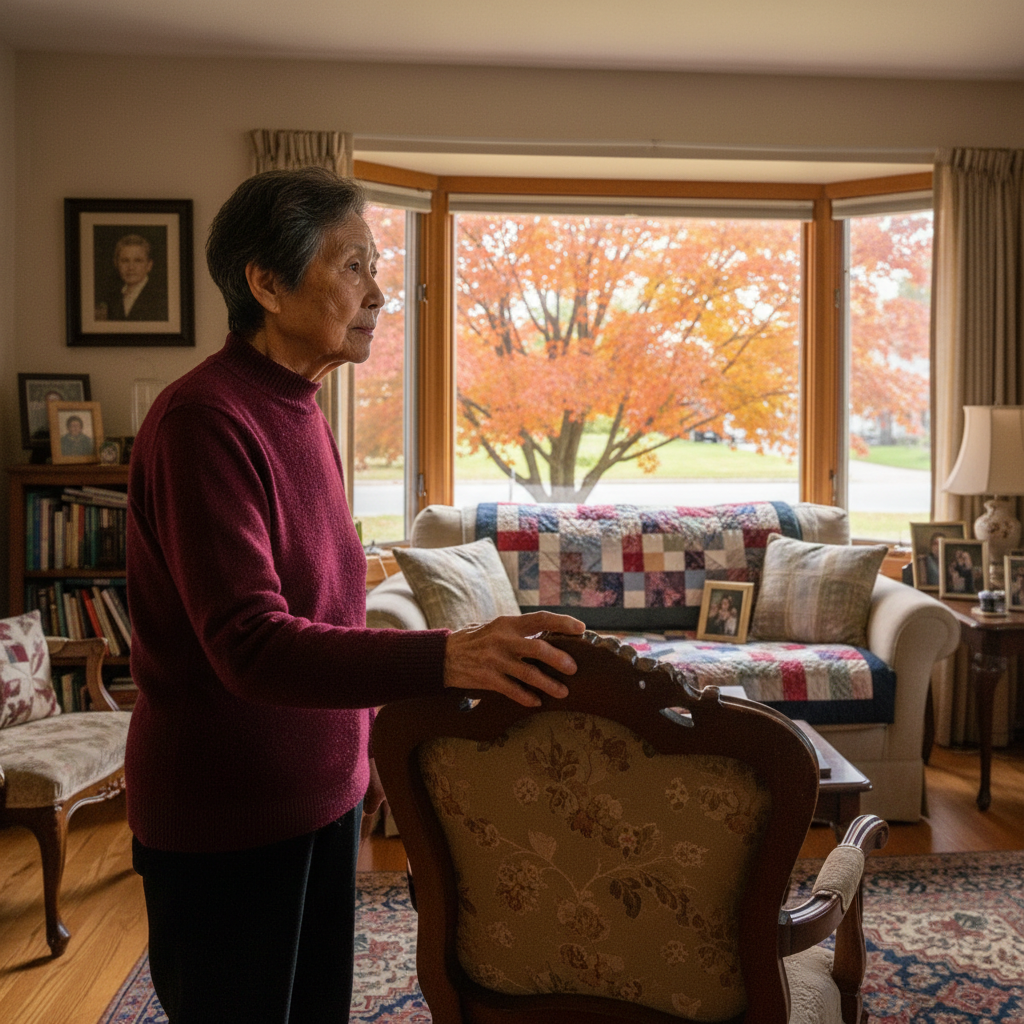
The Root of Family Conflict: Unspoken Expectations
Adult children and aging parents operate on different assumptions about the family home:
What parents think:
- "My home is my sanctuary. I'll stay here as long as I can."
- "I'm leaving this home to my children when I'm gone."
- "I don't owe anyone money out of my equity while I'm living."
- "My children should respect MY choices about my home."
What adult children think:
- "Mom should downsize so she's not lonely in a big house."
- "I deserve to inherit the family home where I grew up."
- "Mom should gift me equity now while she's alive and can see me enjoy it."
- "If Mom can't maintain the house, she should move somewhere easier."
None of these expectations are explicitly stated. Family members assume everyone agrees, discover they don't, and conflict erupts.
| Expectation Source | Parent's Assumption | Adult Child's Assumption | Conflict When: |
|---|---|---|---|
| Home future | "I'll stay here" | "You should downsize" | Parent declines to move |
| Inheritance | "Kids inherit house equally" | "I want to live here" | Another child sells house to divide value |
| Equity access | "My equity, I use for myself" | "Parents should gift equity now" | Parent borrows on home instead of gifting |
| Maintenance | "I can handle basic upkeep" | "House is too much work for aging parent" | Parent refuses home care or downsizing |
According to the American Gerontological Society, unspoken expectations about inherited homes and family properties cause conflict in 40% of families entering the caregiving or estate planning phase. Communication before conflict emerges prevents 80% of these disputes.
The Reverse Mortgage as a Conversation Catalyst
This is counter-intuitive, but taking a reverse mortgage actually creates an opportunity for clarity. Here's why:
When you decide to take a reverse mortgage, you must answer:
- How long do I want to stay in this home?
- What will happen to this home after I'm gone or move?
- Should I gift equity to my children now, or leave it for inheritance?
- What happens if I need long-term care—do I sell the home or maintain it?
These questions are exactly the ones your adult children need to hear you answer clearly.
By articulating your reverse mortgage plan, you simultaneously answer the unspoken questions your children have been debating. This doesn't guarantee agreement—but it prevents the worse outcome: making a unilateral decision (taking a reverse mortgage, selling the home, moving to care) that your adult children find out about after the fact.
Facilitating the Family Conversation
Step 1: Schedule a dedicated family meeting
Don't try to discuss this casually or over a meal. Set aside 90 minutes for a specific conversation:
"I want to discuss my future with the house and my retirement plans. This affects all of you, so I want your input. Let's meet [date] for a focused conversation about this."
Why dedicated time matters:
- Signals importance
- Prevents interruptions
- Gives everyone time to prepare mentally
- Allows note-taking and documentation
Step 2: State your own perspective first
You go first. This prevents adult children from steering the conversation toward their preferences before hearing yours:
"I've been thinking about my future in this home. Here's what I want: [your actual preference]. I'm not looking for you to agree—I'm telling you my plan. Then I want to hear what you think."
Be specific. Say:
✓ "I want to stay in this home as long as I'm healthy enough to manage it." ✓ "I'm taking a reverse mortgage to fund home modifications so I can age in place safely." ✓ "I plan to leave the home equally to all three of you; you'll decide together what to do with it." ✓ "I expect to move to assisted living around age 80 or if my health declines; at that point, I'll need to sell."
Don't say: ✗ "I'm not sure what I'll do yet." ✗ "Whatever makes you happy." ✗ "We'll figure it out when the time comes."
Vague statements invite adult children to fill in the blanks with their own assumptions.
Step 3: Listen to each child's perspective without defending
Go around the room. Each adult child states their preference or concern:
"What do you think about my plan? What worries you? What would you prefer?"
Listen. Don't defend or argue. Just listen. You're gathering information, not debating.
Adult child 1 might say: "Mom, I think you should downsize now and give us each $50,000 while you can see us enjoy it."
Your response (NOT): "No, I'm not ready to leave."
Your response (YES): "I hear that you'd prefer I downsize. Can you tell me why that matters to you?"
This opens conversation instead of closing it.

Addressing Common Conflicts
Conflict 1: "You should downsize for your own good"
Adult child perspective: Mom's house is too much work; she'd be safer and happier in a condo or retirement community.
Your options:
- Agree and downsize: "You're right, I'll move within 2 years."
- Compromise: "I'll downsize if my health declines or maintenance becomes unmanageable. Until then, I'm staying."
- Disagree and stand firm: "I'm staying. If you're worried, let's discuss how to make the house more manageable (hire cleaners, do repairs)."
Whatever you choose, state it clearly:
"I've decided to stay in my home for now. If that changes, I'll tell you. But this is my decision, and I need you to respect it."
Conflict 2: "You should gift us equity now"
Adult child perspective: Give me $50,000 now so I can use it; don't make me wait for inheritance.
Your options:
- Agree to gift: Frame it clearly (See Step Guide 6 on supporting adult children at different life stages)
- Offer alternative: "I can't gift $50,000 now, but I could gift $5,000/year."
- Decline: "No, I'm keeping my equity for my retirement security. You'll inherit when I'm gone."
Make it clear what you're offering, and why:
"I want to help you, but I also need to protect my retirement. Here's what I can offer: [specific amount/plan]. If that doesn't work for you, I understand, but this is my limit."
Conflict 3: "You should move to care now, not wait until you're unable"
Adult child perspective: Get ahead of health decline; move to assisted living proactively.
Your options:
- Agree to timeline: "I'll assess my situation at age 75 and move if needed."
- Disagree: "I'm staying here as long as I'm healthy. Moving is trauma I don't need."
- Compromise: "If I can no longer manage basic tasks (cooking, cleaning, medical), then we'll discuss care options."
Make the boundary clear:
"Moving is a big decision that I'll make when I'm ready, not before. I'll keep you informed, and we'll discuss together when the time comes."
Managing Inheritance Expectations
This is the hardest conversation, but it must happen:
Explicitly state what your home will become:
| Scenario | What to Say |
|---|---|
| House will be sold and proceeds divided equally | "When I'm gone, the house will be sold. The proceeds, minus the reverse mortgage, will be divided equally among you." |
| House will go to one child who wants it | "I'm planning to leave the house to [child name] who wants to live in it. The other children will be compensated equally from other assets or inheritances." |
| House will be divvied up with one child buying out others | "Eventually, one of you might want to buy the house from the others. We can plan for that now if you'd like." |
| House will be divided into shares for equal inheritance | "You'll all inherit equal shares of the house. You'll need to decide together what to do—sell, buy each other out, or share ownership." |
Write this down and give copies to all children.
Unwritten inheritance plans create enormous conflict. Writing it down prevents misunderstandings and shows your children you've thought this through.
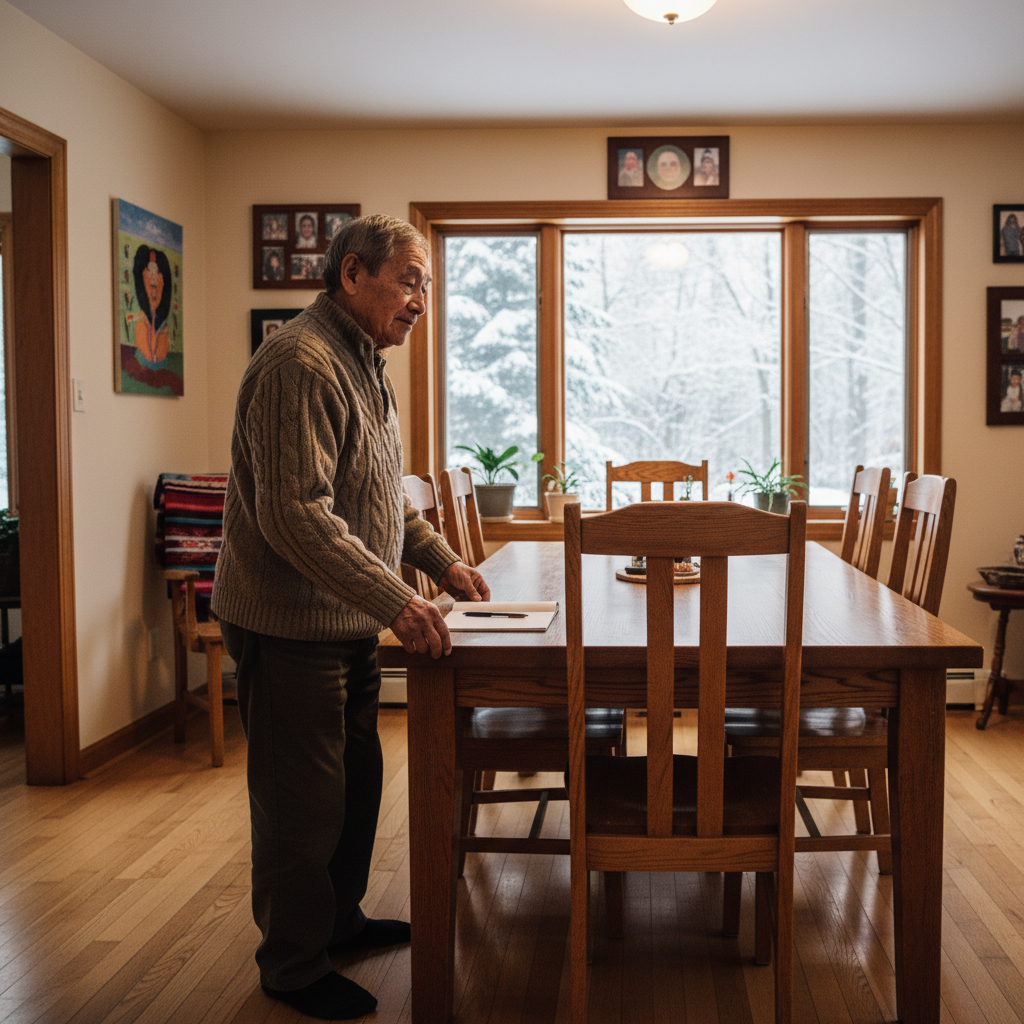
Documenting Your Plan: The Family Letter
Create a simple one-page letter (not a legal document, but intentional communication):
FAMILY LETTER REGARDING MY HOME AND FUTURE PLANS
Date: [today's date]
Dear [Children's names],
I want to be clear about my plans for my home and retirement so there's no confusion. This letter reflects my current thinking:
My plan for the home:
- I intend to stay in this home [as long as I'm able / until age 80 / until my health requires otherwise].
- I'm taking a reverse mortgage to [fund modifications / provide retirement income / fund caregiving].
- When I eventually leave this home or pass away, the house will [be sold / go to one of you / be inherited by all equally].
How I'm using my home equity:
- I'm using reverse mortgage funds for [home modifications / living expenses / caregiving costs].
- I'm not gifting home equity immediately. I need to preserve my equity for my own security.
- Upon my death, any remaining equity after reverse mortgage payoff will be divided [equally / according to will].
What I need from you:
- Respect my decisions about my home and retirement.
- Support me in aging in place or moving, depending on what I choose.
- Communicate with each other, not just with me.
- If you disagree with my plan, tell me now so we can discuss.
My executor will: [Name/role] will handle estate matters. They'll have this letter to reference.
I love you all, and I want to avoid conflict about this home. This letter is my effort to be transparent.
[Your name and date]
Distribute copies to all adult children. This isn't legal, but it's powerful documentation of your intent.
When Conflict Is Unresolvable
Sometimes, despite your best efforts, family members won't agree. Here's what you do:
You make the decision. You live with it.
Your adult children's opinions matter, but they're not determinative. Your home, your life, your reverse mortgage—your decision. You can:
- Listen to their concerns
- Explain your reasoning
- Consider their suggestions
- But ultimately, decide what's right for YOU
If an adult child refuses to accept your plan:
"I hear that you disagree with my decision. I respect your perspective, but this is my choice. I hope you can respect my autonomy, even if you don't agree."
This is not unkind. It's clear. And it prevents adult children from vetoing your decisions indefinitely.
Quick Reference: Conversation Framework
| Step | What to Do | Goal |
|---|---|---|
| 1. Schedule | Dedicated 90-minute meeting with all adult children | Signal importance |
| 2. State your plan | Say clearly what you want for your home's future | Establish your priorities |
| 3. Listen | Ask each child for their perspective without defending | Understand their concerns |
| 4. Address conflicts | Respond to specific disagreements with clear decisions | Reduce ambiguity |
| 5. Document | Write a family letter stating your plan clearly | Create reference for future |
| 6. Follow up | Annual check-ins to update as circumstances change | Prevent surprises later |
Frequently Asked Questions
What if my adult children gang up against me and refuse to accept my plan?
You listen to their concerns, but ultimately, it's your home and your decision. You don't need their permission to take a reverse mortgage, downsize, or make other choices about your property.
Should I show my adult children my reverse mortgage documents?
No, they're private financial documents. You can tell them "I'm taking a reverse mortgage to [purpose]," but you don't need to share loan terms, rates, or balance. You control this information.
What if one child thinks I'm "stealing" their inheritance by using equity?
Frame it clearly: "This is my equity. I'm using it for my retirement. What's left will be inherited." Your equity is not their inheritance—it's your asset. You can use it as you wish.
How do I prevent fighting between my adult children after I'm gone?
Clear documentation. A detailed will specifying exactly what happens to the house. A family letter explaining your thinking. Communication now, before conflict emerges. These prevent future disputes.
What if I change my mind about my plan later?
Update your family. Send a new family letter explaining the change. Keep communication open. Flexibility is fine—surprises are the problem.
Moving Forward With Clarity
The family home brings emotions to the surface: belonging, legacy, security, fairness. These are real and important feelings. But they're also the root of conflict when families don't communicate clearly.
Your reverse mortgage decision is an opportunity to get ahead of this conflict. Have the conversation now. Be clear. Document your thinking. Respect your adult children's perspectives while making your own decisions. And most importantly, know that protecting your retirement security is not selfish—it's necessary.
Ready to Learn More?
Get the free Ontario Reverse Mortgage Guide and find out exactly how much you could unlock from your home.
Get My Free Guide →Related Articles
How to Talk to Your Family About Getting a Reverse Mortgage
A practical guide for Ontario seniors on how to talk to family about getting a reverse mortgage — conversation frameworks, common concerns, and tips.
Read →Reverse Mortgage Estate Planning Checklist for Ontario Homeowners
A 10-item estate planning checklist for Ontario homeowners with a reverse mortgage — covers wills, executors, projected balances, and annual reviews.
Read →Managing Multiple Adult Children's Inheritance Expectations: Transparency and Fairness
Multiple adult children with different needs? Plan fair inheritance using reverse mortgage for advanced gifts. Ontario estate planning guide for 55+.
Read →