
Condo Special Assessments: Using a Reverse Mortgage to Fund Unexpected Capital Improvement Fees
Ontario condo owners: learn how a reverse mortgage covers surprise special assessments for roof, foundation, or major repairs without depleting savings.
Has your condo corporation just hit you with a $15,000+ special assessment for urgent roof repairs, and you're unsure how you'll cover it without emptying your retirement savings? You're not alone. Ontario condo owners are increasingly facing massive special assessments as aging building infrastructure requires capital improvements. A reverse mortgage can provide the liquidity to cover these surprise bills without forcing you into early RRIF withdrawals or credit card debt.

The Condo Special Assessment Crisis
Condo living in Ontario offers advantages: no exterior maintenance, shared property tax savings, community. But it comes with a hidden risk most buyers don't fully anticipate: special assessments—unexpected bills from your condo corporation for major capital repairs.
These assessments appear when:
- Roof replacement (typical cost: $20,000–$50,000 per unit in multi-unit buildings)
- Foundation repairs (typical cost: $10,000–$40,000 per unit)
- Exterior wall restoration (typical cost: $15,000–$35,000 per unit)
- HVAC system replacement (typical cost: $5,000–$15,000 per unit)
- Parking garage repairs (typical cost: $5,000–$25,000 per unit)
- Window replacement (typical cost: $8,000–$20,000 per unit)
- Elevator modernization (typical cost: $10,000–$30,000 per unit)
Unlike property tax, which spreads over the year, special assessments often demand payment within 30–60 days. Some condo corporations allow payment plans, but many require lump sum or multi-month accelerated payments.
Why Special Assessments Hit Hard
Condo corporations are increasingly facing massive deferred maintenance. Here's why:
Aging buildings: Many Ontario condo buildings built in the 1980s–2000s are now reaching 30–40 years old. Major systems (roof, foundation, HVAC) have 25–30 year lifespans.
Underfunded reserves: Older buildings often kept condo fees artificially low to stay competitive. Now, reserve funds are inadequate for major repairs.
Regulatory pressure: Condo Act regulations (Ontario Regulation 711/91) now require condo corporations to conduct property condition assessments and fund capital reserves more aggressively. This leads to special assessments when reserves fall short.
Construction defects: Some buildings have hidden defects (leaking walls, foundation issues) that didn't appear until 20+ years in.
Real Numbers: Ontario Condo Special Assessments (2023–2026)
| City | Building Age | Typical Special Assessment | Impact on Retired Owner |
|---|---|---|---|
| Toronto (downtown) | 35–40 years | $20,000–$35,000 | Significant (one-third of annual income for CPP/OAS seniors) |
| Toronto (suburban) | 25–30 years | $12,000–$25,000 | Manageable for affluent retirees; challenging for fixed-income seniors |
| Ottawa | 30–35 years | $8,000–$20,000 | Can deplete one year of savings for seniors |
| Mississauga | 25–35 years | $10,000–$22,000 | Similar impact to suburban Toronto |
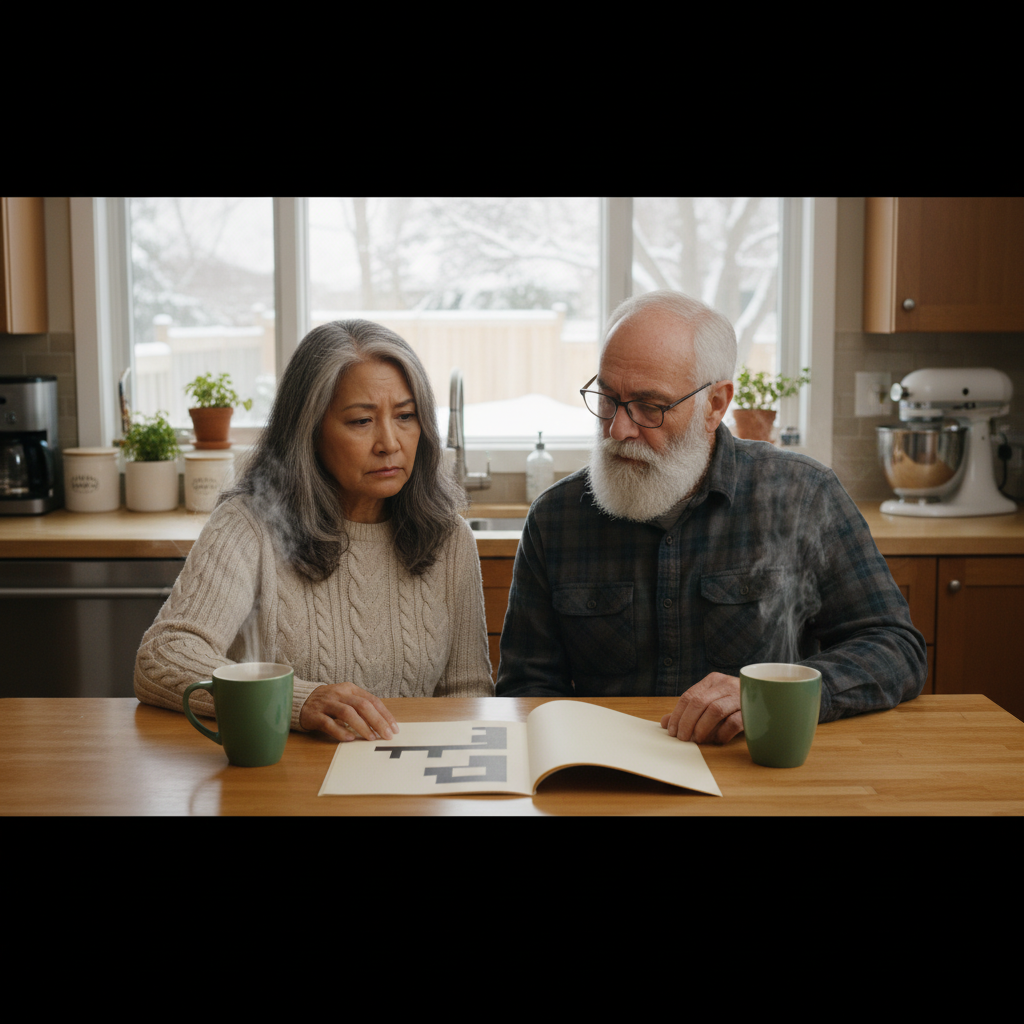
How Special Assessments Derail Retirement Planning
For retirees already living on CPP, OAS, and modest savings, a sudden $20,000 special assessment is financial trauma:
Scenario 1: Grace (age 72, retired)
- Annual income: $28,000 (CPP/OAS)
- Emergency savings: $25,000
- Condo special assessment: $18,000
- Impact: Depletes 72% of emergency fund, forces cutbacks to property tax payment or health expenses
Scenario 2: Michael (age 68, semi-retired)
- Annual income: $45,000 (part-time work + CPP)
- Savings: $50,000 (earmarked for future healthcare costs)
- Condo special assessment: $22,000
- Impact: Forces choice between special assessment and healthcare planning, accelerates full retirement from continuing part-time work
Scenario 3: Patricia (age 65, just retired)
- Annual income: $32,000 (early CPP + OAS)
- Investments: $300,000 RRIF portfolio
- Condo special assessment: $15,000
- Impact: Forces RRIF withdrawal ($20,000–$25,000 to net $15,000 after tax), triggers OAS clawback ($7,500+ reduced OAS next year)
All three scenarios could be avoided with a reverse mortgage line of credit accessed strategically.
The Reverse Mortgage Solution for Condo Special Assessments
A reverse mortgage provides two advantages for condo owners facing special assessments:
1. Tax-Free Access to Liquidity
Unlike RRIF withdrawals (fully taxable) or HELOC access (potentially harder to qualify for as a retiree), reverse mortgage proceeds are classified as loan advances, not income. This means:
- No immediate tax bill
- No OAS clawback trigger
- No impact on GIS eligibility
- Clean access to cash exactly when needed
2. No Forced Timeline for Repayment
A reverse mortgage doesn't require monthly payments while you're living in your home. This means:
- If your condo sale/downsizing isn't in your 5-year plan, you don't force it to pay the special assessment
- You can continue aging in place while the reverse mortgage sits in the background
- If your financial situation improves, you can repay early without penalty (check your lender's terms)
Comparing Solutions for Special Assessment Funding
| Solution | Speed | Cost | Tax Impact | Impact on Assets |
|---|---|---|---|---|
| Reverse Mortgage LOC | 2–4 weeks | Interest on drawn amounts only (~7%) | None (tax-free) | Reduces equity, not income |
| RRIF Withdrawal | Immediate | Witholding tax (20–30%) | OAS clawback ($0.50 per dollar over threshold) | Reduces retirement portfolio, triggers tax |
| HELOC | 2–4 weeks | Interest (~6–7%) | None | Reduces available credit, harder to qualify |
| Credit Card | Immediate | High interest (19–21%) + fees | None immediately (future tax on debt) | High cost, unsustainable |
| Personal Loan | 1–2 weeks | Interest (~8–12%) + origination fees | None | Adds monthly payment obligation |
| From Savings | Immediate | None | None | Depletes emergency fund |
For retirees 55+, the reverse mortgage line of credit is typically the most tax-efficient and strategically sound option.
Step-by-Step: Funding a Special Assessment via Reverse Mortgage
Step 1: Get Your Condo Documents (2 Weeks Before Application)
Reverse mortgage lenders need:
- Condo building age and description
- Recent reserve fund study (lenders want to confirm building is properly maintained)
- Special assessment details (if known)
- Current condo fee monthly amount
This shows lenders you've researched your property and aren't in crisis.
Step 2: Get Your Home Appraised (Part of RM Application)
The lender will appraise your condo unit to determine available equity. For a $400,000 condo unit with no mortgage:
- Available equity (55% LTV): $220,000
- Minimum age requirement: 55
- Property type: Condo is eligible (but lender confirms)
Step 3: Choose Your Withdrawal Structure
Option A: Establish a line of credit
- Access funds now for the special assessment
- Keep remaining credit available for future needs
- Pay interest only on drawn amounts
- Recommended if special assessment is predictable and future needs exist
Option B: Lump sum draw
- Receive full approved amount (e.g., $220,000) upfront
- Pay interest on entire amount immediately
- Not ideal for a one-time expense (you don't need $220,000; you need $18,000)
For special assessment funding, Option A (line of credit) is superior.
Step 4: Application and Approval (3–4 Weeks)
Work with a reverse mortgage specialist like Rick Sekhon Reverse Mortgages to:
- Complete application
- Provide documentation
- Arrange independent legal advice (required in Ontario)
- Finalize closing
According to the Financial Consumer Agency of Canada (FCAC), reverse mortgage borrowers retain full ownership of their home throughout the term. You cannot be forced to sell to repay the loan.
Step 5: Draw on Your Credit Line When Assessment Is Due
Once approved, draw exactly what you need ($18,000 in your example) to pay the special assessment. The remaining credit stays available if needed.
Payment timing: Make sure you have cash before the condo corporation's deadline. Some corporations charge penalties or legal fees for late payment.

Tax Implications of RM-Funded Special Assessment Payments
This is crucial: Reverse mortgage proceeds don't count as income, so paying your special assessment with RM funds doesn't affect:
- CPP income calculation
- OAS eligibility or clawback
- GIS asset testing
- Your net income for tax purposes
However, you'll be paying the special assessment from borrowed funds, so your condo equity will be slightly reduced. This is acceptable because:
- The special assessment itself reduces your equity value anyway (the problem isn't being borrowed against; it's the infrastructure expense)
- Paying from RM funds preserves your liquid retirement savings
- You retain asset flexibility—the home equity is mortgaged but still yours, and you can sell later
According to Service and Maintenance Canada, reverse mortgage borrowers retain tax-deductible mortgage interest status in some provinces, though Ontario's rules are nuanced. Consult your accountant, as the special assessment payment itself (not the interest) isn't deductible.
Special Considerations for Condo Owners
Building Reserve Fund Study: Your Early Warning System
Most condo corporations commission a reserve fund study every 3–5 years. This study projects upcoming capital expenses.
Action: Request your building's most recent reserve fund study. If major work is forecasted in the next 3–5 years, consider establishing a reverse mortgage line of credit proactively—before the special assessment hits.
Example: Your reserve study indicates a $25,000 roof assessment is likely in 18 months. Set up your reverse mortgage now (takes 3–4 weeks). When the assessment arrives, you simply draw on your existing line of credit instead of scrambling.
Condo Corporation Responsibility
Condo corporations are required to maintain adequate reserves. If a building has been poorly maintained by the condo board, you may have legal recourse. Before paying a special assessment:
- Review the reserve fund study to confirm the assessment is legitimate and properly funded
- Check if the condo corporation has insurance that might cover the expense
- Consult a real estate lawyer if you suspect fraud or gross negligence by the board
Most legitimate assessments should be paid, but extreme cases (e.g., board corruption, embezzlement) sometimes have legal defenses.
Frequently Asked Questions
Can I get a reverse mortgage on a condo?
Yes. Condos in owner-occupied buildings qualify. Condos in investor buildings, co-ops, and some leasehold properties may not. Your lender will confirm eligibility during application.
Will a special assessment affect my reverse mortgage approval?
It might affect the timing. If you mention you need funding for a special assessment, the lender may want to see the assessment details to confirm the expense is legitimate. This is normal and shouldn't block approval.
What if I can't pay the special assessment before my RM closes?
Negotiate with your condo corporation for a short extension (most allow 30–45 days). Your RM closing usually happens within 3–4 weeks of application approval. If timing is tight, discuss this with your mortgage specialist upfront.
Can I refinance my RM later if building problems worsen?
Yes. Most reverse mortgages allow refinancing if your home equity increases (e.g., home appreciates, you repay some balance). You can't refinance if equity decreases.
What if the condo building continues to be a financial problem?
Long-term: you may consider downsizing or selling. Short-term: a reverse mortgage helps you stay in place while you plan your next move. It buys you time.
Will paying a special assessment via RM reduce my inheritance?
Yes, slightly. Your heirs will inherit less equity because part of it was borrowed against to fund the special assessment. However, this is preferable to you depletingYour liquid retirement savings or forcing yourself into part-time work to pay the assessment.
Should I tell the condo corporation I'm using a RM to pay?
No. The condo corporation doesn't need to know your funding source. Simply pay the assessment on time.
Closing Thought
Condo living in Ontario comes with the risk of sudden special assessments. A reverse mortgage line of credit is a smart contingency plan—not because you expect crisis, but because you acknowledge that aging buildings have aging expenses. Being prepared with accessible, tax-efficient funding is responsible retirement planning.
Ready to Learn More?
Get the free Ontario Reverse Mortgage Guide and find out exactly how much you could unlock from your home.
Get My Free Guide →Related Articles
Reverse Mortgage on a Condo in Ontario: Complete 2026 Guide
Learn about reverse mortgages on condos in Ontario, including eligibility requirements, special considerations, and fees involved.
Read →Reverse Mortgage and Deferred Home Maintenance: Catching Up on Repairs
Use a reverse mortgage to fund essential home repairs and maintenance you've deferred—preventing costly damage and maintaining aging in place.
Read →Using a Reverse Mortgage as an Emergency Fund in Retirement
Discover how a reverse mortgage can serve as an emergency fund in retirement for Ontario seniors. Compare options, costs, and setup strategies.
Read →